
 Business License
What Is Fast Charging? A Guide for OEM Buyers
Maria, a product manager at a Rotterdam e-bike brand, watched her competitor launch a new model with a 3-hour charge time. Her own lineup needed 6 hours. The difference was not the battery chemistry or the cell supplier. It was the charger.
Fast charging has become a selling point for everything from smartphones to electric scooters. For OEM brand owners and procurement engineers, the question is not whether consumers want it. The question is what fast charging actually means, how it affects battery life, and which specifications matter when you source a charger for your own product. This guide answers those questions in plain engineering terms.
You will learn the math behind fast charging, the protocols that enable it, the safety limits that protect your packs, and the specifications you should write into your next PO. We will also look at how fast charging differs between lithium-ion and LiFePO4 chemistries, because the wrong profile can cost you warranty returns.
Want to see how a chemistry-matched fast charger performs with your pack? Request a free sample and we will ship an engineering unit within 7 days.
What is fast charging?
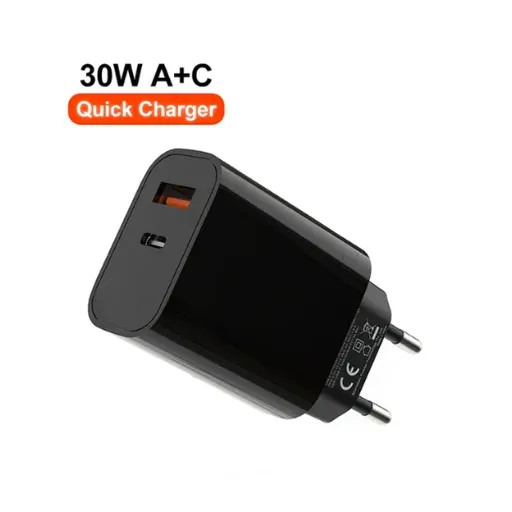
Fast charging is the delivery of higher electrical power to a battery so it recharges in less time than a standard charger. It works by increasing voltage, current, or both, while the battery management system and cell chemistry set the safety limits.
The simple math behind fast charging
Fast charging is not a mystery protocol or a marketing label. At the power-supply level, it is basic electrical math. Power, measured in watts, equals voltage multiplied by current.
Watts = Volts × Amps
A 5V, 2A charger delivers 10W. A 20V, 5A USB Power Delivery charger delivers 100W. A 54.6V, 5A e-bike charger delivers 273W. The higher the wattage, the faster a compatible battery can charge, assuming the battery management system allows it.
There are three ways to increase charging power:
Raise voltage while keeping current constant
Raise current while keeping voltage constant
Raise both together
Most modern fast charging standards use a combination. They negotiate a higher voltage with the device, then push more current through a cable that can handle it. The result is a shorter charge time without requiring a prohibitively thick cable.
However, not every battery can accept every combination. The battery management system and the cell chemistry set the real limits. A charger may be capable of 100W, but if the pack only accepts 30W safely, the BMS will throttle the current. The charger does not force power into the battery. It offers power, and the device decides how much to take.
How fast charging works inside the battery
Batteries charge in two stages: constant current and constant voltage. This is the CC-CV profile we have written about before. Fast charging mostly affects the first stage.
During the constant current stage, the charger pushes current into the pack at a fixed rate. The pack voltage rises as the cells fill. The faster you want to charge, the higher the current you push during this stage. A 20Ah lithium-ion pack charging at 0.5C takes roughly 10A. At 1C, it takes 20A.
When the pack reaches its maximum voltage, the charger switches to constant voltage. The voltage stays fixed while the current tapers down. This phase is harder to speed up because pushing too hard at high voltage generates heat and stresses the cells.
The C-rate tells you how fast the charge current is relative to capacity:
| C-rate | Current for 20Ah pack | Approximate full charge time |
|---|---|---|
| 0.2C | 4A | ~5 hours |
| 0.5C | 10A | ~2.5 hours |
| 1C | 20A | ~1.2 hours |
| 2C | 40A | ~40 minutes |
Higher C-rates mean shorter charge times but also more heat, more stress on electrodes, and faster cycle-life degradation. Most consumer batteries are rated for some level of fast charging, but the manufacturer specifies a maximum C-rate for a reason.
For OEM buyers, the practical takeaway is this: do not specify a charge current higher than your cell vendor allows. If the cell datasheet says 0.5C maximum, a 1C charger will charge faster and kill the pack faster.
Fast charging standards and protocols
Fast charging is not one universal technology. It is a collection of protocols that negotiate voltage, current, and power between charger and device. The most relevant for OEM buyers are:
USB Power Delivery (USB PD)
USB PD is the dominant standard for USB-C devices. It supports up to 240W in the latest revision and uses bidirectional communication to negotiate voltage levels from 5V to 48V. PPS, or Programmable Power Supply, is an extension that lets the device request small voltage steps in real time, which reduces heat during the CV stage.
Qualcomm Quick Charge
Quick Charge is common in mobile devices and some accessories. Early versions raised voltage to 9V or 12V. Newer versions add more granular control. It is useful for consumer electronics but less common in e-mobility or industrial applications.
Proprietary protocols
Many brands use their own fast charging systems: OnePlus Warp Charge, OPPO VOOC, Xiaomi HyperCharge, and others. These often require matched chargers and cables. For OEM buyers building third-party accessories, compatibility is the main concern.
DC fast charging for electric vehicles
DC fast charging bypasses the onboard charger and feeds DC directly into the battery. This is common in electric cars but also appears in larger e-mobility and industrial systems. Power levels range from 25kW to over 350kW, far beyond the scope of a typical AC/DC adapter.
The protocol choice affects your BOM, your certification path, and your customer experience. A USB PD charger needs a USB-C controller and specific cable requirements. A proprietary protocol needs licensing. A dumb high-current charger needs thicker cabling and better thermal design but fewer communication chips.
What makes a charger a "fast charger"
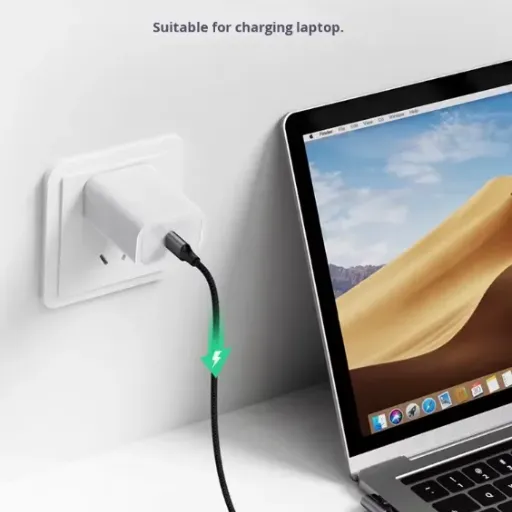
From a manufacturing standpoint, a fast charger is any charger that delivers more power than the baseline for that application. But several components have to work together.
Higher power rating
The charger must output enough wattage to make a difference. A 5W USB-A charger cannot fast charge a laptop. A 100W USB-C PD charger can. For e-bikes, moving from a 2A charger to a 5A charger cuts charge time by more than half.
Communication capability
Modern fast chargers talk to the device. They do not just output 5V and hope the device takes it. They negotiate voltage and current, verify cable capability, and reduce power if anything looks wrong. This communication protects both charger and battery.
Cable and connector rating
Higher current needs thicker wire and better connectors. A 100W USB-C cable is rated for 5A. A cheap cable may overheat or fail. For industrial and e-mobility applications, connector choice matters even more. Anderson connectors, XLR, and GX16 are common because they handle higher current reliably.
Thermal management
More power generates more heat. Fast chargers need adequate heat sinking, fan cooling, or efficient switching circuits. Gallium nitride technology has made chargers smaller and cooler by reducing switching losses compared to traditional silicon.
If you are sourcing a fast charger for an OEM product, ask your supplier for the efficiency curve, the thermal test data, and the protocol compatibility list. A charger that looks good on paper can overheat in a closed enclosure.
Fast charging and battery chemistry: Li-ion vs LiFePO4
Not all batteries respond to fast charging the same way. The chemistry determines the safe charge rate, the voltage cutoff, and the thermal behavior.
Lithium-ion (NMC, NCA, LCO)
Standard lithium-ion cells typically accept 0.5C to 1C charge rates. High-energy NMC cells used in e-bikes and power tools may handle 1C or more with proper thermal management. The full-charge cutoff is 4.2V per cell. Pushing beyond that to charge faster causes plating, heat, and capacity loss.
LiFePO4 (LFP)
LiFePO4 cells are generally more tolerant of high charge rates than standard Li-ion. Many LFP cells are rated for 1C continuous charge. The full-charge cutoff is lower, 3.65V per cell, which reduces some of the thermal stress seen at 4.2V. This makes LiFePO4 popular in e-bikes, scooters, and energy storage where daily fast charging is expected.
However, tolerance does not mean unlimited. A 1C charge rate on LiFePO4 still generates heat. Without temperature monitoring and a proper CC-CV curve, fast charging will still shorten cycle life.
The key is matching the charger to the chemistry. A lithium-ion battery charger uses a 4.2V/cell cutoff. A LiFePO4 battery charger stops at 3.65V/cell. The two are not interchangeable, even if both are labeled "fast charger." If you are specifying LiFePO4, our LiFePO4 charger buying guide covers the seven specs OEM buyers must verify.
Mini-story: A security integrator in Dubai deployed 200 outdoor cameras with 12V lithium-ion packs and 3A chargers. The installation went live in July. By September, field failures were rising. The chargers were running at 45°C inside sealed enclosures, and the packs were spending too much time at high voltage. Switching to chargers with temperature-compensated CC-CV profiles and slightly lower current eliminated the failures. Fast charging only works if the thermal environment is part of the specification.
Thermal management and safety limits
Heat is the enemy of fast charging. Every watt that does not go into the battery becomes heat in the cells, the cables, the connectors, and the charger itself. Managing that heat is what separates a reliable fast charging system from a warranty problem.
Cell temperature monitoring
Most quality fast chargers include an NTC thermistor or a temperature sensor input. The charger reduces current if the pack gets too hot. Some chargers pause charging entirely above a threshold, typically 45°C to 50°C for lithium cells.
Voltage and current limits
The BMS and the charger must agree on the maximum voltage and current. The charger should never exceed the cell vendor's recommended values. Over-voltage protection, over-current protection, and over-temperature protection are not optional features. They are baseline requirements for any production charger.
Enclosure and airflow
A fast charger in a sealed plastic case will run hotter than one in a vented metal enclosure. For outdoor or industrial use, the IP rating, the enclosure material, and the ambient temperature range all affect performance. Derating the charger, using it below its maximum rated output, is common in hot climates.
Efficiency
A 90% efficient 100W charger wastes 10W as heat. A 95% efficient charger wastes 5W. That difference matters in compact enclosures and in products that run 24/7. Anenerge adapters are designed to meet DOE Level VI, ENERGY STAR Level V, and ErP Tier V, which keeps waste heat low.
Specifying fast charging for OEM products
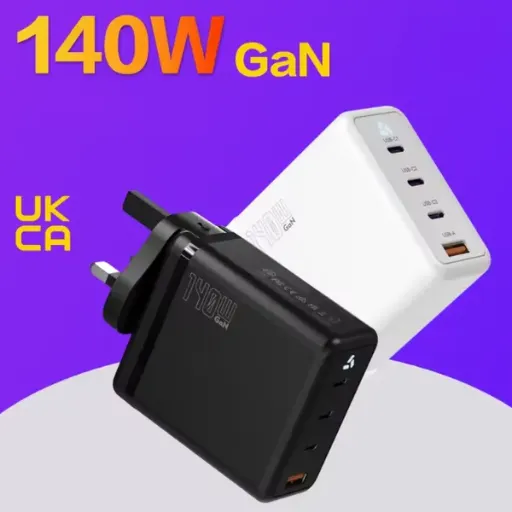
If you are building a product that advertises fast charging, the charger specification is part of your user promise. Here is what to lock down before you place a PO.
1. Define the charge time target
Start with the user experience. "Charges to 80% in 1 hour" is clearer than "fast charging supported." Work backward from battery capacity and the cell datasheet to find a realistic charge current.
2. Match the charge profile to the chemistry
Get the cell vendor's recommended CC-CV curve. Confirm the cutoff voltage, the maximum charge current, and the termination current. Share this with your charger supplier before any samples are built.
3. Choose the right protocol
For USB-C consumer products, USB PD is usually the right choice. For e-bikes and scooters, a dedicated DC charger with a fixed voltage and current profile is more common. For industrial products, a ruggedized charger with temperature monitoring may matter more than a branded fast charge logo.
4. Specify the cable and connector
Higher current needs a rated connector and cable gauge. Do not let the cable become the weak link. Specify connector type, current rating, cable length, and temperature rating.
5. Plan for thermal testing
Ask your supplier for thermal images or test data at full load in the target ambient temperature. A charger that passes at 25°C may struggle at 50°C.
6. Certify correctly
Fast chargers still need the same safety and efficiency certifications as standard chargers. UL, CE, UKCA, SAA, and DOE Level VI requirements do not disappear just because the current is higher. In fact, higher power often means stricter thermal and isolation testing.
Mini-story: Tom, a procurement engineer at a U.S. e-mobility startup, was comparing two 48V 5A charger quotes. One was $8 cheaper per unit. He asked both suppliers for the charge curve, the efficiency report, and the DOE Level VI test report. The cheaper supplier could not produce current reports. Tom chose the more expensive option. Six months later, his competitor had a shipment detained at Long Beach for missing efficiency documentation. The $8 savings would have cost them their launch window.
Common myths about fast charging
Myths about fast charging create bad specifications. Let us clear up the most common ones.
Myth 1: Fast charging always damages batteries.
Fast charging within the cell vendor's rated C-rate, with proper thermal management, does not necessarily damage cells. Damage comes from exceeding voltage limits, ignoring temperature, or using the wrong chemistry profile.
Myth 2: A higher-wattage charger will always charge faster.
The charger can only deliver what the device accepts. A 100W charger connected to a phone that requests 18W will deliver 18W. A 5A e-bike charger connected to a BMS that limits current to 2A will deliver 2A.
Myth 3: All fast chargers are interchangeable.
They are not. Voltage, connector, protocol, and current rating must match. Using a 54.6V lithium-ion charger on a 48V LiFePO4 pack will either stall or damage cells.
Myth 4: Fast charging is only about the charger.
The battery, the BMS, the cable, the connector, and the thermal design all matter. A fast charger is one part of a system.
Ready to specify a fast charger for your product line? Get an OEM quote and our engineering team will review your battery spec, charge time target, and certification needs.
Conclusion
Fast charging is simply the delivery of more charging power to a battery in less time. The math is watts equals volts times amps. The reality is more complex: protocols, chemistry limits, thermal management, and safety systems all determine whether fast charging improves your product or creates warranty headaches.
For OEM buyers, the right approach is to start with the cell datasheet, choose a charger that matches the chemistry, and verify thermal performance in real conditions. A fast charger is not just a higher-current power supply. It is a coordinated system of charger, battery, BMS, cable, and enclosure.
If you are sourcing chargers for e-bikes, scooters, energy storage, or consumer electronics, the next step is straightforward. Send us your battery spec and charge time target. We will return a proposed CC-CV profile and a sample plan within 24 hours.
Request a free sample or browse our OEM services to see how Anenerge builds fast chargers that match your product and your market.
Recently Posted
-
12V LiFePO4 Charger Buying Guide for OEM Brand Owners
June 22, 2026Last spring, a marine electronics brand in Florida shipped 2,000 portable power stations with "universal 12V chargers" b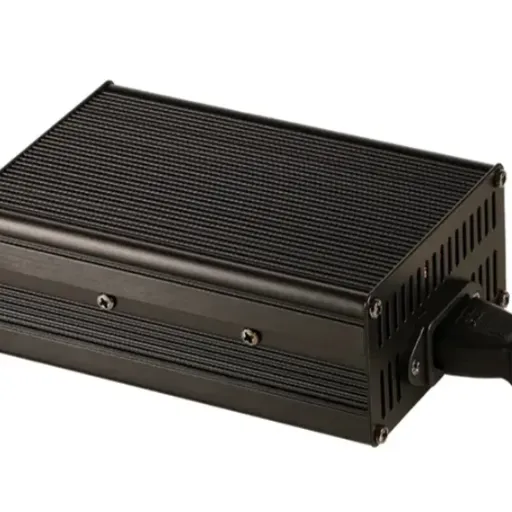 Read More
 -
48V LiFePO4 Charger Selection Guide for OEM Brand Owners
June 22, 2026When Elena received the first field failure report from her Rotterdam distributor in March 2024, the cause was not what she expect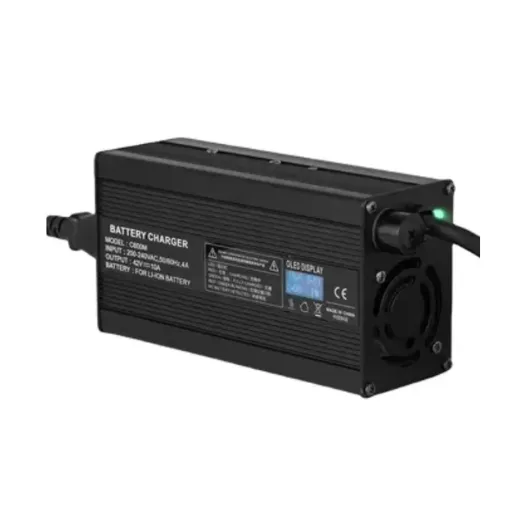 Read More
 -
LiFePO4 Battery Charger Selection Guide for OEM Brand Owners
June 22, 2026Marcus, a product manager at a Rotterdam-based e-bike brand, thought he had saved €12,000 on his first charger order. Six months l Read More
 -
Why Is My Phone Charging Slowly? Causes and Fixes
June 22, 2026At 7:45 a.m., Maya plugged her phone into the charger she grabbed from the hotel nightstand. By 8:30, the battery had climbed from Read More

Contact Us
Recommended Products
-
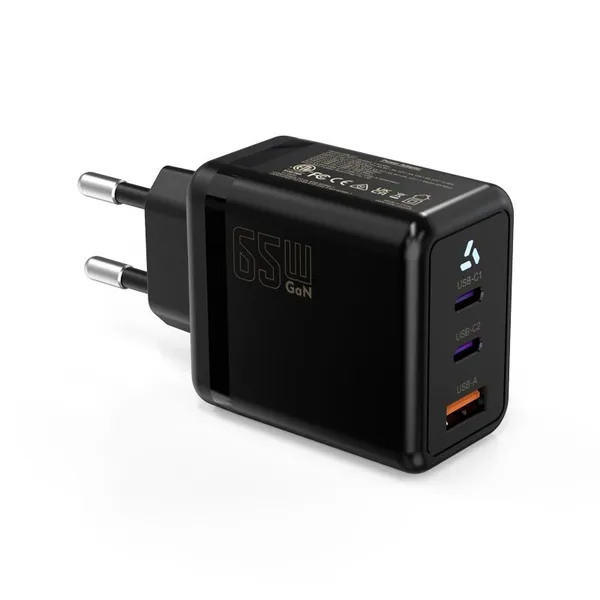
 65W USB-C GaN Wall Charger PD Fast Charging Adapter EU US Plug for Laptop Smartphone and TravelUS$ 6MOQ: 100 Pieces
 -
45W GaN USB-C Fast Charger JP Plug PD Wall Charging Adapter for IPhone MacBook and TabletsUS$ 8MOQ: 100 Pieces
-
QC3.0 30W USB Fast Charger With 18W Quick Charge Wall Adapter for Android and Mobile DevicesUS$ 4MOQ: 100 Pieces
-
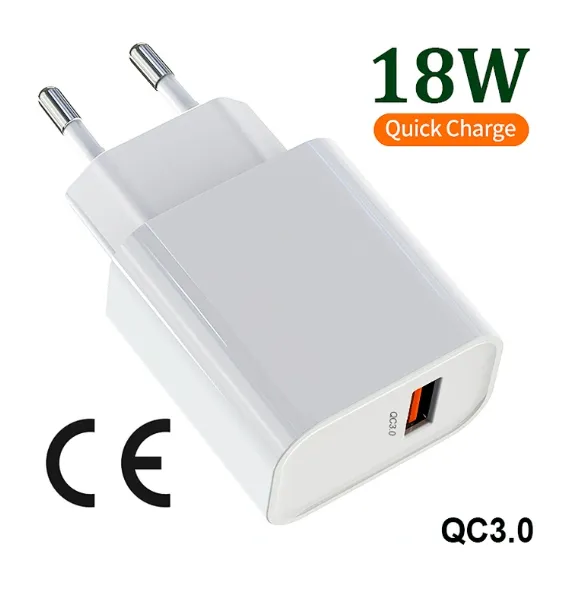
Compact 18W Quick Charge 3.0 USB Charger 30W Fast Charging Adapter EU US Plug for TravelUS$ 2MOQ: 100 Pieces
-
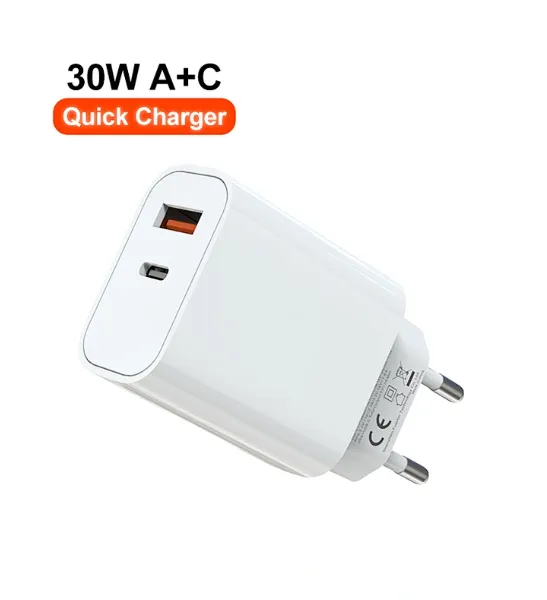
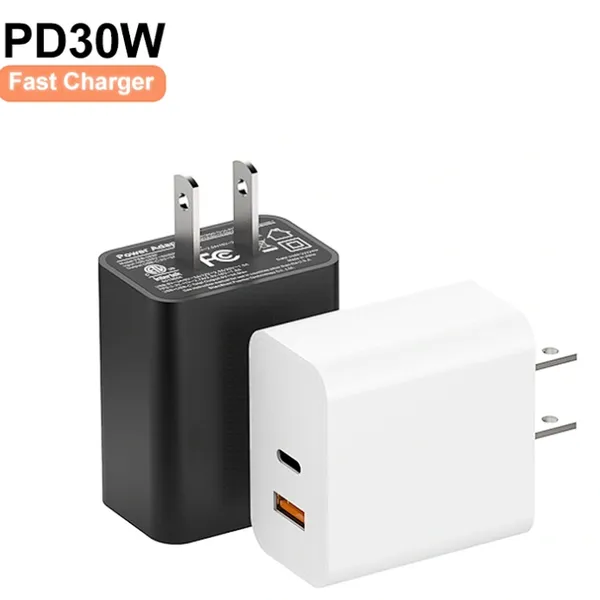
30W USB-C and USB-A PD Fast Charger Compact Wall Adapter for IPhone Samsung and IPadUS$ 3MOQ: 100 Pieces
-
35W Dual USB-C PD Charger Fast Charging Adapter for IPhone Samsung IPad and USB-C DevicesUS$ 3MOQ: 100 Pieces
-
65W USB-C GaN Charger EU Plug Fast Charging Adapter 65W USB-C PD Fast Charge Wall Charger Power Adapter for Macbook ProUS$ 5MOQ: 100 Pieces
-
65W GaN USB-C Fast Charger PD Wall Charging Adapter for Laptop IPhone and Mobile DevicesUS$ 5MOQ: 100 Pieces
-
100W GaN USB-C Fast Charger With PD 3.0 for Laptop, MacBook, IPhone & Multi-Device ChargingUS$ 12MOQ: 100 Pieces
-
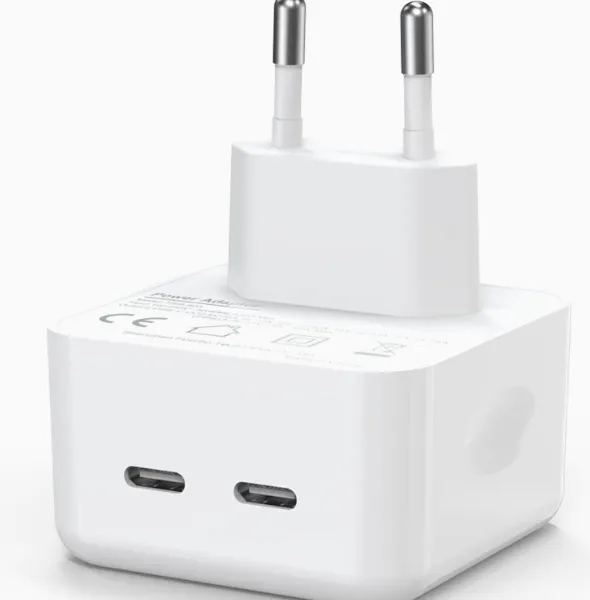
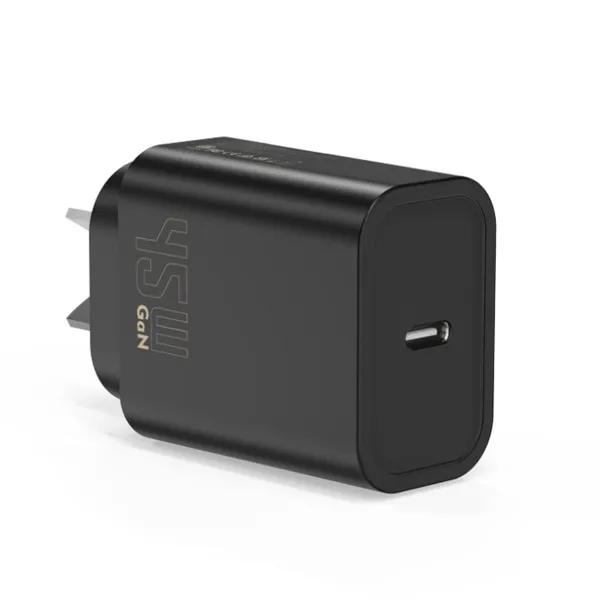
45W GaN USB-C Fast Charger EU AU PD Fast Wall Charging Adapter for IPhone Tablets With CE REACH PassedUS$ 8MOQ: 100 Pieces
-
QC3.0 65W GaN USB C Super Fast Charger With UKCA 3 Ports PD 3.0 GaN Charger for Iphone Macbook SamsungUS$ 10MOQ: 100 Pieces
-
30W USB-C and USB-A GaN QC3.0 Fast Charging Adapter PD Fast Charger Compact Wall Adapter for IPhone Samsung and IPadUS$ 3MOQ: 100 Pieces
-
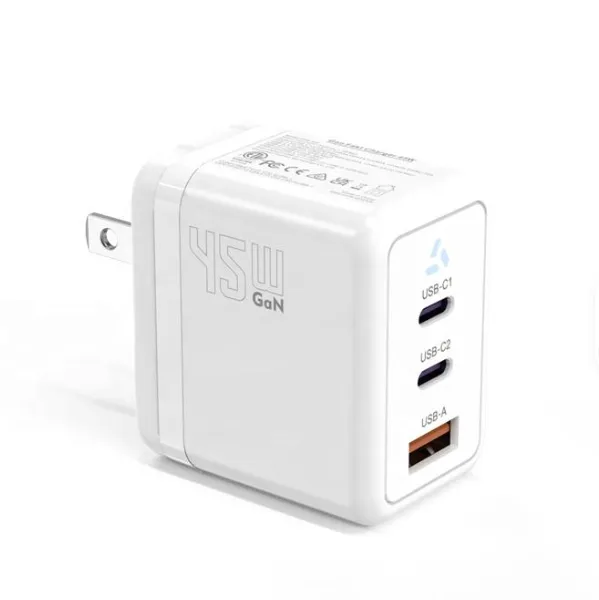
45W GaN USB-C Fast Charger With Dual Type-C and USB-A Ports PD Wall Charging AdapterUS$ 8MOQ: 100 Pieces
-
Dual USB C Ports QC3.0 30W Fast Charger With EU UK AU US USB-C PD Wall Chargeer 30W PD Power AdapterUS$ 3MOQ: 100 Pieces
-
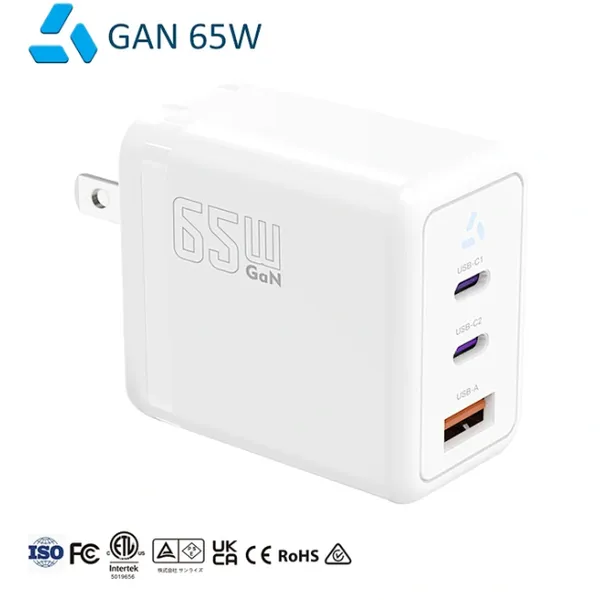
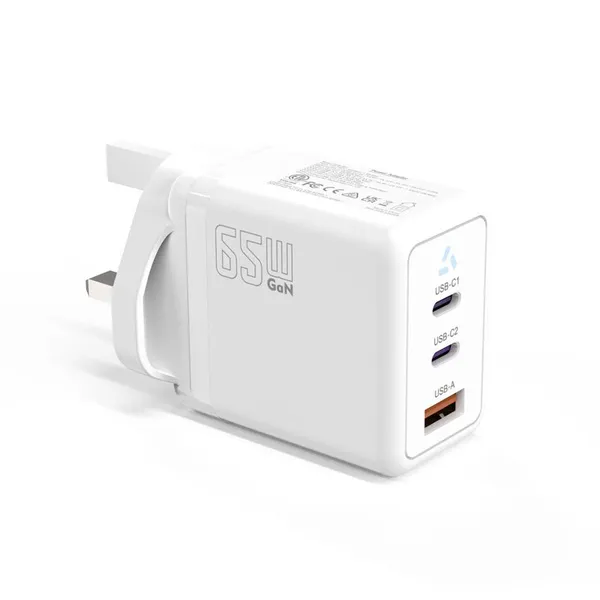
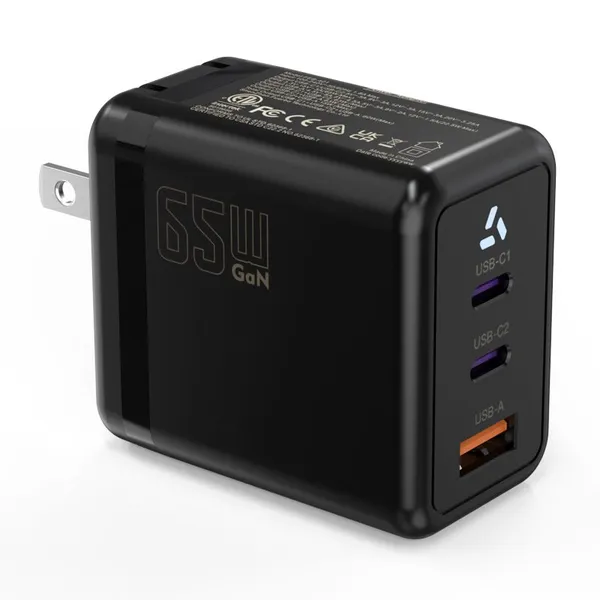
Compact 65W GaN USB-C Wall Charger With Dual USB-C Ports and USB-A Fast Charging Adapter With CE UKCA ETL SAAUS$ 10MOQ: 100 Pieces
-
QC3.0 Fast Charging Adapter PD30W USB-C USB-A GaN PD Fast Charger PD 3.0 GaN Charger Compact Wall Adapter for IPhone Samsung and IPadUS$ 3MOQ: 100 Pieces
-
12V 5A 60W US EU AC DC Adapter LED Driver LED SMPS AC to DC Switching Power SupplyUS$ 5 - 7MOQ: 50 Pieces
-
CE FCC CUL SAA KC PSE 24Vdc 48W Switching Power Supply AdaptersUS$ 5 - 7MOQ: 50 Pieces
-
CE GS UKCA SAA CUL Qualified Waterproof Switching Power Supply Ip68 PSE UL SAA GS 12V 2AUS$ 3 - 6MOQ: 50 Pieces
-
12V 1A Factory OEM Waterproof AC Adapter for Laser Light Table Lamp ac dc Adaptor With TUV CE GS for EU MarketUS$ 5 - 7MOQ: 50 Pieces