
 Business License
Why Is My Phone Charging Slowly? Causes and Fixes
At 7:45 a.m., Maya plugged her phone into the charger she grabbed from the hotel nightstand. By 8:30, the battery had climbed from 12% to only 19%. The cable looked fine. The phone was only a year old. The real culprit was the charger: a 5V/1A (5W) adapter trying to feed a device designed for 18W or 25W input.
If you have ever asked, "Why is my phone charging slowly?" you are not alone. Slow charging is one of the most common complaints among smartphone users, and the reasons are rarely mysterious once you know what to measure. This article explains the physics and engineering behind slow phone charging. We will walk through the adapter, the cable, the phone, and the battery so you can diagnose the problem yourself. We will also explain what phone accessory brands and OEMs should specify when they source chargers, because the same specifications that frustrate end users also determine whether a product line succeeds in the market.
Want a charger that matches your phone's real power requirements? Browse Anenerge's AC/DC power adapter range or request a free engineering sample for your device line.
Why phone charging speed matters: volts, amps, and watts
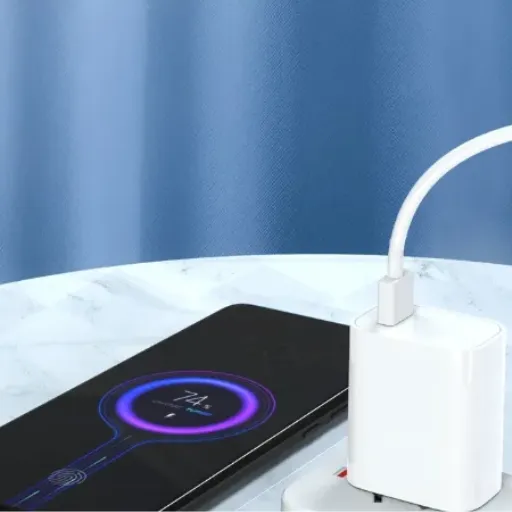
Phone charging is simply the transfer of electrical energy from a wall outlet into a lithium-ion battery. The AC/DC power adapter converts high-voltage AC from the wall into low-voltage DC the phone can use. The phone then controls how much of that current flows into the battery.
The speed of that transfer is measured in watts (W). Watts are calculated by multiplying voltage (V) by current (A):
Power (W) = Voltage (V) × Current (A)
A basic USB charger outputs 5V at 1A, which equals 5W. A modern fast charger might output 9V at 2A, which equals 18W. A laptop-style USB-C charger can deliver 20V at 3.25A, or 65W. More watts generally means faster charging, at least during the first half of the cycle when the battery can accept high current.
However, the phone and charger must agree on the voltage and current. This negotiation happens through charging protocols such as USB Power Delivery (USB PD), Qualcomm Quick Charge, or proprietary standards from Apple, Samsung, and OnePlus. If the charger cannot speak the phone's language, the phone falls back to the safest, slowest rate, usually 5V at 1A or 5V at 0.5A.
Why is my phone charging slowly? The most common causes
The charger output is too low
The most common answer to "why is my phone charging slowly" is also the simplest: the adapter does not supply enough power. Many households still use old 5W chargers that shipped with phones years ago. Those chargers were adequate for small batteries in 2015. They are painfully slow for modern phones with 4,000mAh to 5,000mAh batteries.
When Marcus opened his phone repair shop in Austin in 2023, he kept a drawer full of chargers customers had left behind. He noticed a pattern. Customers who complained about slow charging were almost always using a 5W or 10W generic adapter with a phone capable of 18W, 25W, or 45W input. Once he swapped in a matched fast charger, charge times dropped from five or six hours to under 90 minutes. The phones were not broken. The chargers were just under-specified.
Before you blame the phone, read the fine print on the adapter. Look for output ratings such as:
5V ⎓ 1A = 5W (slow)
5V ⎓ 2A = 10W (moderate)
5V ⎓ 2.4A = 12W (moderate)
9V ⎓ 2A = 18W (fast)
9V ⎓ 3A = 27W (fast)
12V ⎓ 3A = 36W (very fast)
If your adapter tops out at 5W or 10W and your phone supports 18W or more, the adapter is the bottleneck.
The cable cannot carry the current
A charger is only half the path. The cable must also handle the current without excessive voltage drop. Thin cables with small wire gauges, long cables, or worn connectors create electrical resistance. That resistance reduces the voltage that reaches the phone, which forces the phone to draw less current.
USB-C cables rated for 3A or 5A are required for higher-power USB PD charging. A cable that works for 5W may fail silently at 18W or 25W. The phone detects the weak link and slows down to protect itself.
If you suspect the cable, test with a shorter, higher-quality cable. Look for USB-IF certification or manufacturer current ratings. A 1-meter, 3A-rated USB-C cable will almost always outperform a 2-meter bargain cable with no rating.
The port is dirty or damaged
Lint, dust, and pocket debris collect in charging ports. Over time, this buildup prevents the connector from seating fully. A poor connection increases resistance and can cause the phone to charge intermittently or at reduced speed.
Use a flashlight to inspect the port. If you see compacted lint, remove it carefully with a wooden or plastic pick. Avoid metal tools, which can damage the contacts. If the port feels loose or the cable wobbles, the internal connector may be worn and need professional replacement.
The phone is managing heat
Lithium-ion batteries charge fastest at moderate temperatures, roughly 15°C to 35°C (59°F to 95°F). If the phone gets too hot from gaming, navigation, direct sunlight, or fast charging itself, the battery management system (BMS) reduces current to protect the cells. This is called thermal throttling.
You may also see slower charging if the phone is running processor-intensive apps while plugged in. The charger is splitting its output between running the phone and charging the battery. In extreme cases, the battery percentage may barely move if the phone is using power as fast as it receives it.
The battery is aging
All lithium-ion batteries degrade with charge cycles. After 500 to 800 full cycles, capacity and peak current acceptance drop. The phone's BMS learns this behavior and may limit charge rates to preserve what capacity remains. If a two-year-old phone charges noticeably slower than it did when new, battery aging is often the cause.
There is no software fix for a chemically degraded battery. Replacement restores original charge speed, but only if the replacement cell and BMS are matched correctly.
Background apps and software settings
Some phones include battery-saving or optimized charging modes that intentionally slow charging overnight to reduce battery wear. Apple's Optimized Battery Charging and similar Android features learn your schedule and delay the final 20% of charge until you typically unplug.
This is a feature, not a fault. If you need a full charge immediately, disable optimized charging in settings or use a different charging schedule.
What the numbers on your charger actually mean
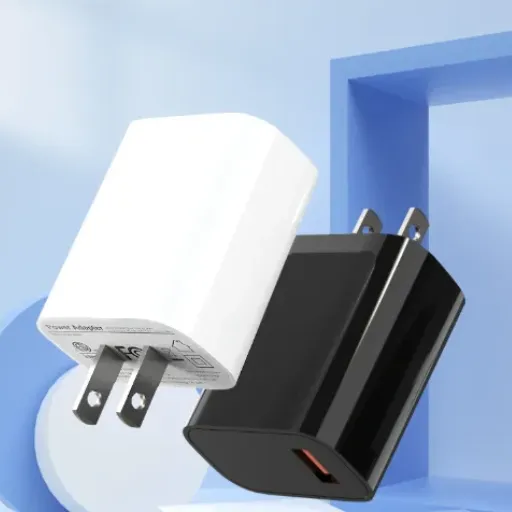
The text printed on a charger can look confusing, but it contains the answer to most slow-charging questions. Phone charger amperage, measured in amps (A), tells you how much current the adapter can deliver. Here is how to read a typical label:
| Marking | Meaning | Typical Power |
|---|---|---|
| Output: 5V ⎓ 1A | 5 volts, 1 amp | 5W |
| Output: 5V ⎓ 2A | 5 volts, 2 amps | 10W |
| Output: 5V ⎓ 2.4A | 5 volts, 2.4 amps | 12W |
| Output: 9V ⎓ 2A | 9 volts, 2 amps | 18W |
| Output: 12V ⎓ 2.5A | 12 volts, 2.5 amps | 30W |
| Output: 20V ⎓ 3.25A | 20 volts, 3.25 amps | 65W |
The "⎓" symbol means direct current (DC). Some labels list multiple output profiles, such as "5V ⎓ 3A / 9V ⎓ 2A / 12V ⎓ 1.5A." That means the charger can negotiate different voltages depending on what the phone requests.
Higher wattage does not automatically mean danger. The phone controls the actual current draw. A 65W USB-C charger will not force 65W into a phone that only accepts 18W. The two devices negotiate a safe rate. However, a low-power charger cannot deliver more than its rated output, which is why undersized adapters are the most common cause of slow charging.
Fast charging standards explained
Not all fast chargers are compatible with all phones. The charger and phone must share a protocol. The major standards include:
USB Power Delivery (USB PD): An open standard used by most modern USB-C devices, including iPhones (with a USB-C to Lightning cable), Google Pixel phones, and many laptops.
Qualcomm Quick Charge: Common on phones with Snapdragon processors, especially older models.
Samsung Adaptive Fast Charging / Super Fast Charging: Proprietary Samsung protocols.
OnePlus Warp Charge / OPPO VOOC: Proprietary standards that often require a matched charger and cable.
If you plug a Qualcomm Quick Charge adapter into a phone that only understands USB PD, the phone may fall back to 5W or 10W. This is why charger brands often advertise multi-protocol support. A good modern adapter supports USB PD plus Quick Charge, so it works across a wide range of devices.
For a deeper technical explanation of lithium-ion charging behavior, Battery University offers a well-regarded primer on how to charge lithium-ion batteries.
How to diagnose why your phone is charging slowly
If your phone is charging slowly, run through this checklist before buying new hardware:
Check the adapter rating. Look for output voltage and current. Multiply them to get watts.
Try a different cable. Use a short, high-quality cable rated for at least 3A if you have USB-C.
Inspect the port. Remove lint and check for loose connections.
Check for heat. Let the phone cool and close background apps.
Test another charger. Borrow a charger with higher wattage and the right protocol.
Review software settings. Disable optimized charging temporarily if you need speed.
Consider battery health. Older phones may simply need a battery replacement.
If a higher-wattage, matched charger solves the problem, the original charger was the bottleneck. If nothing helps, the phone's battery or charging circuit may need service.
What phone accessory brands and OEMs need to know
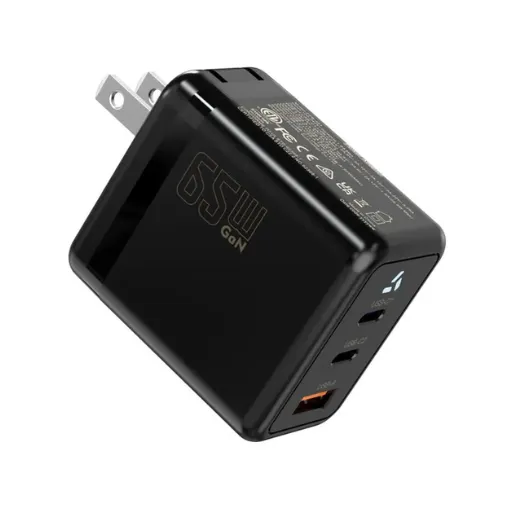
The question "why is my phone charging slowly" is not just a consumer support issue. It is a product-design issue for every brand that sells chargers, cables, power banks, or phones. If your charger line ships with the wrong power profile, the wrong protocol support, or the wrong cable, your end users will blame your brand, not the physics.
When Anenerge works with phone accessory brands, we specify chargers around four factors:
Output power profile. A 5V/2.4A (12W) AC/DC power adapter is enough for basic phones and older tablets. For modern smartphones, 18W or 25W USB PD is the practical minimum. For tablets and small laptops, 45W or 65W USB-C PD is becoming standard.
Protocol support. USB PD is the most widely compatible standard today. Adding Qualcomm Quick Charge 3.0 or 4.0 expands compatibility with older Android devices. The charger should negotiate cleanly and fall back safely when the device does not support fast charging.
Cable pairing. A charger is only as good as the cable you ship with it. High-current charging requires thicker conductors, quality connectors, and proper shielding. We recommend specifying the cable as part of the charger SKU, not as an afterthought.
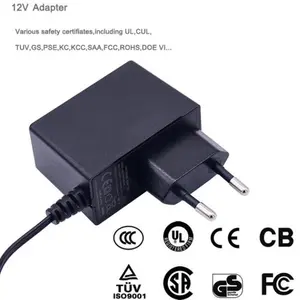
Certification stack. Chargers sold in the U.S. need UL listing and FCC Part 15 compliance. The EU requires CE marking. The UK requires UKCA. Australia requires SAA/RCM. If you advertise energy efficiency, DOE Level VI, ENERGY STAR Level V, or ErP Tier V compliance becomes relevant. Anenerge ships adapters with the full global certification stack already in place.
OEM/ODM flexibility. Custom voltage, current, connector, label, and packaging requirements are standard for OEM/ODM power projects. Brand owners can private-label a charger matched exactly to their product and target market.
In 2024, a European distributor approached us because their private-label phone charger line was generating returns. End users complained that the chargers were "slow." Our lab tested the adapters and found they were technically 10W units being marketed as "fast charge" because the label listed a peak 12W profile. The phones connected at 5V/1A instead. We redesigned the line around 18W USB PD with an included 3A USB-C cable. Returns dropped by 70% in the first quarter. The product was not broken; the specification was simply mismatched to customer expectations.
Need help specifying a charger line that won't generate returns? Contact our engineering team to review your power profile and certification requirements.
When slow charging is actually protecting your battery
Not all slow charging is bad. Lithium-ion cells last longer when they are charged at moderate rates and kept between 20% and 80% state of charge. Many phone makers now include optimized charging features that deliberately slow the final phase of charging to reduce battery wear.
If your phone charges quickly to 80% and then crawls to 100%, that is normal battery management. The BMS is protecting the cells from over-voltage and heat stress. Fast charging is useful when you need power quickly, but consistent 0.5C to 1C charging generates more heat and shortens cycle life over time.
For accessory brands, this is an important messaging point. A charger that supports variable-speed charging and proper CC-CV management is not just faster, it is gentler on the battery. That translates to fewer warranty claims and better reviews.
When to replace your charger
Replace your charger if:
The output rating is clearly below what your phone supports
The casing is cracked, discolored, or warped from heat
The cable is frayed, loose, or gets warm during use
The charger buzzes, sparks, or smells unusual
You have tested another charger and it charges the same phone significantly faster
A quality replacement does not have to be expensive. It does have to match your phone's voltage, current, and protocol requirements. Look for adapters from manufacturers that publish certification documents and test reports, not just marketing claims.
Frequently asked questions about slow phone charging
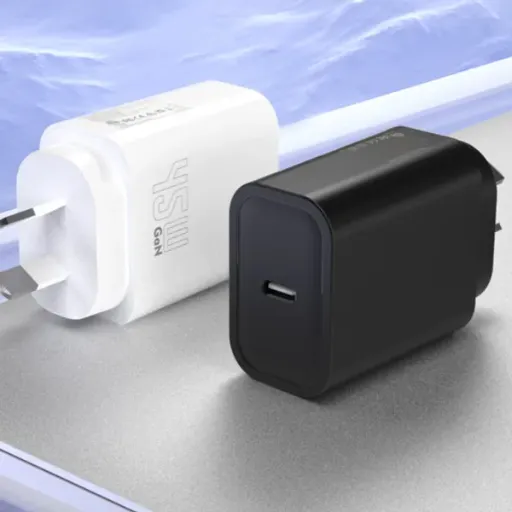
Why is my phone charging slowly even with a fast charger?
The cable, port, or phone temperature is usually the cause. A fast charger can only deliver its rated power if the cable supports the current, the port is clean, and the battery is cool enough to accept high input. Check each link in the chain.
Is slow charging better for battery health?
Yes, in most cases. Lower current generates less heat, and lithium-ion cells last longer when kept between 20% and 80% state of charge. Overnight optimized charging intentionally slows the final phase to extend cycle life.
Can I use a higher wattage charger than my phone needs?
Yes. The phone controls how much current it draws. A 65W USB-C charger will only deliver what the phone requests. However, an underpowered charger cannot deliver more than its rated output, which is why old 5W adapters charge modern phones slowly.
How do I know if my charger is the problem?
Test with a higher-wattage charger and a shorter, high-quality cable. If charging speed increases significantly, the original charger or cable was the bottleneck. If speed stays the same, the issue is likely the phone's battery or charging circuit.
Conclusion
Slow phone charging usually comes down to one of five things: an undersized adapter, a low-quality cable, a dirty or damaged port, thermal throttling, or an aging battery. The good news is that most of these are easy to diagnose with a quick inspection and a simple wattage calculation.
For phone accessory brands and OEMs, the lesson is sharper. End users do not care about protocols and watts until their phone fails to charge overnight. Specifying the right adapter power profile, protocol support, cable pairing, and certification stack is what turns a frustrating product into a reliable one.
At Anenerge, we design AC/DC power adapters and USB charging solutions for brands that ship to global markets. Whether you need a standard 18W USB PD adapter or a custom fast-charging solution with your own branding, our engineering team can match the charger to your target devices and certification requirements.
Request a free sample to evaluate our charger performance against your phone line, or get an OEM quote for a custom USB charging solution.
Recently Posted
-
Fast Charging vs Normal Charging: OEM Engineering Guide
June 22, 2026Last year, a European e-bike brand shipped 5,000 units with a 4A fast charger as a premium upgrade. Six months later, their warran Read More
 -
How to Make Charging Faster: A Technical Guide for OEM Brand Owners
June 22, 2026When Elena, product manager at a Rotterdam e-bike brand, launched her 48V commuter line in spring 2026, she thought 6 hours on a s Read More
 -
Does Fast Charging Damage Battery? What OEM Buyers Need to Know
June 22, 2026Yes, fast charging can damage batteries when current exceeds the cell's thermal and electrochemical limits. The damage shows u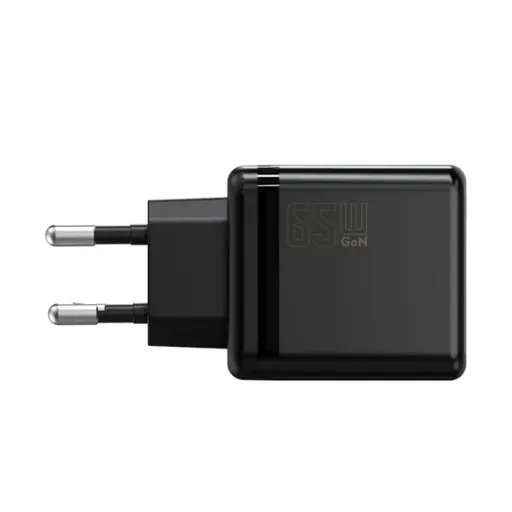 Read More
 -
How Does Fast Charging Work? An Engineer's Guide for OEM Buyers
June 22, 2026When Chen, a power engineer at a Shenzhen e-mobility startup, first specced a fast charger for their 48V e-scooter, he assumed the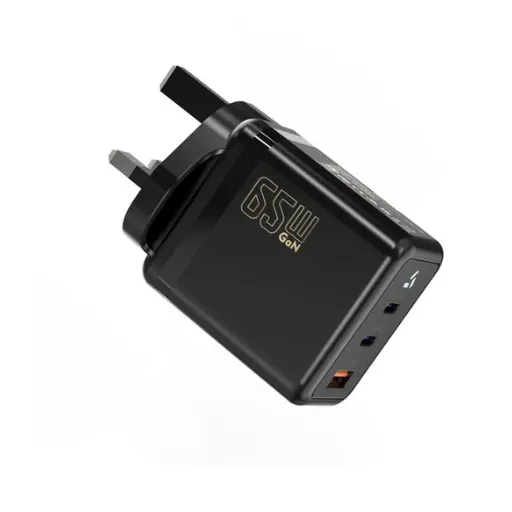 Read More

Contact Us
Recommended Products
-
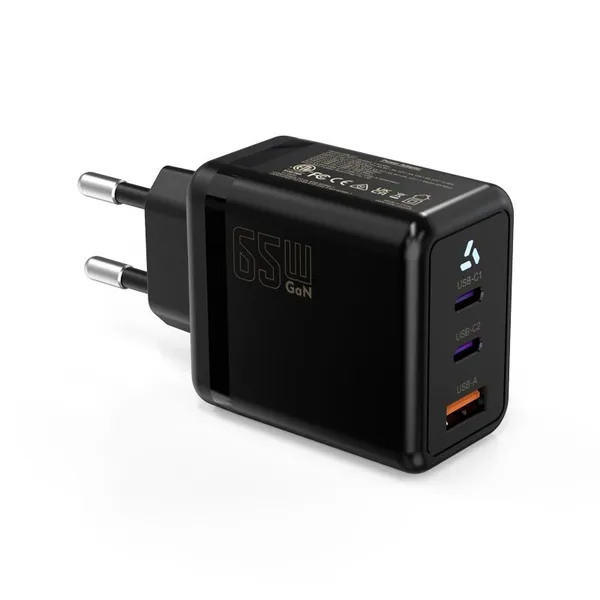
 65W USB-C GaN Wall Charger PD Fast Charging Adapter EU US Plug for Laptop Smartphone and TravelUS$ 6MOQ: 100 Pieces
 -
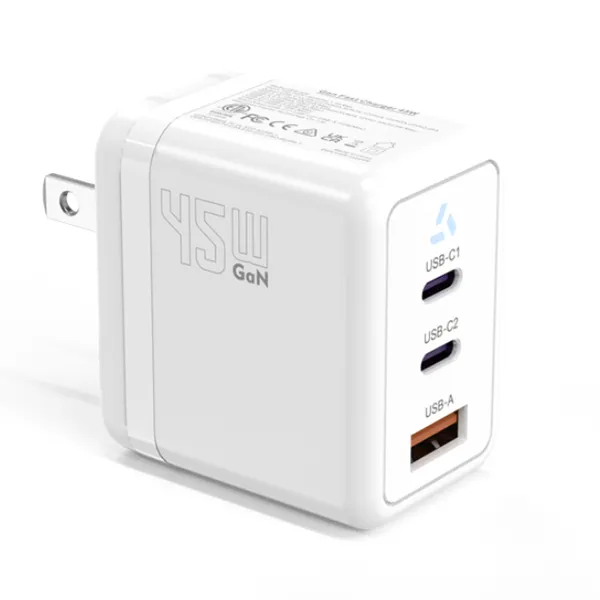
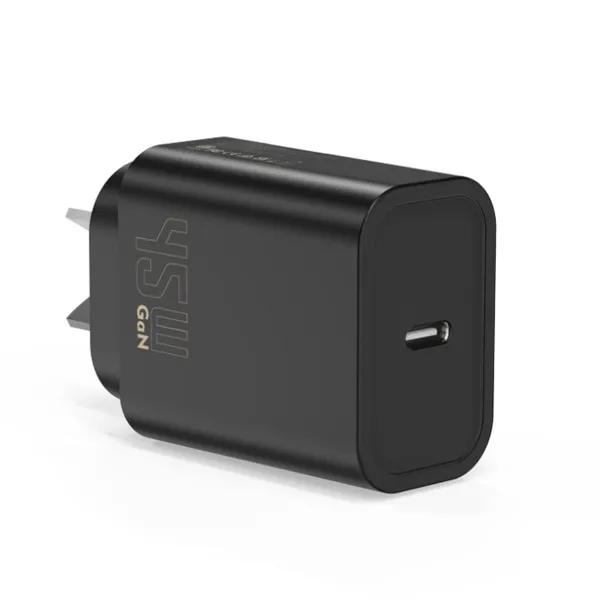
45W GaN USB-C Fast Charger JP Plug PD Wall Charging Adapter for IPhone MacBook and TabletsUS$ 8MOQ: 100 Pieces
-
QC3.0 30W USB Fast Charger With 18W Quick Charge Wall Adapter for Android and Mobile DevicesUS$ 4MOQ: 100 Pieces
-
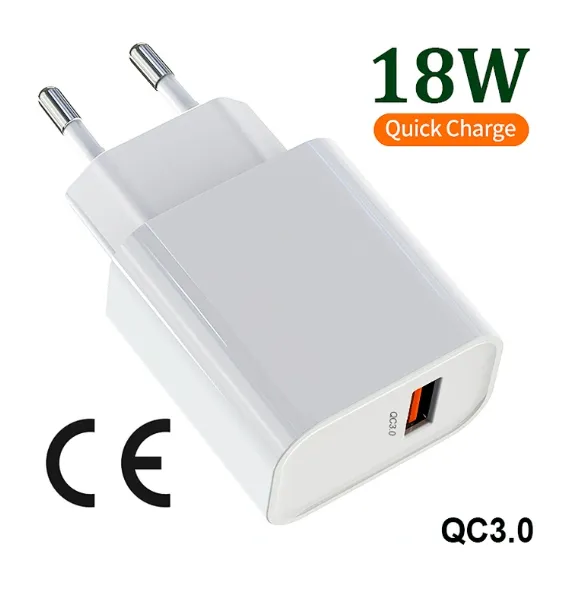
Compact 18W Quick Charge 3.0 USB Charger 30W Fast Charging Adapter EU US Plug for TravelUS$ 2MOQ: 100 Pieces
-
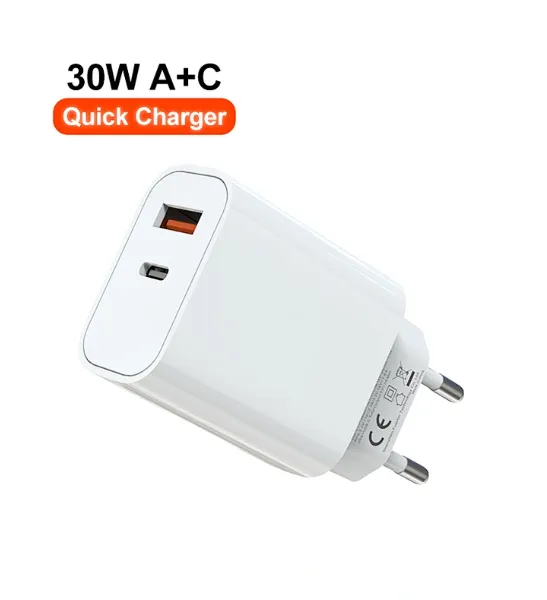
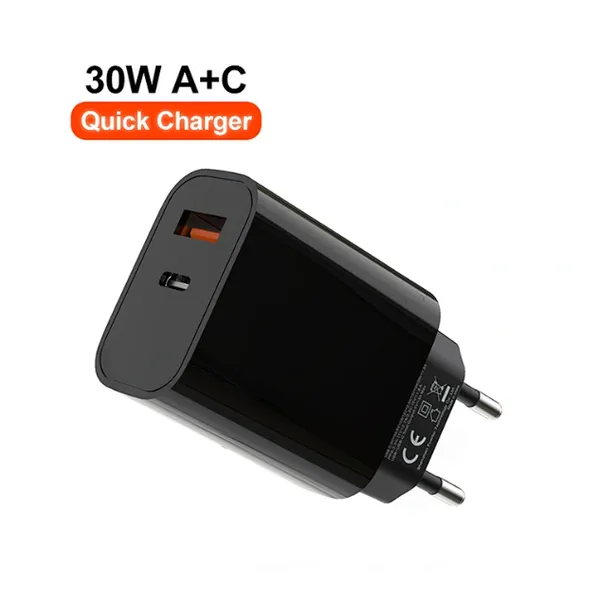
30W USB-C and USB-A PD Fast Charger Compact Wall Adapter for IPhone Samsung and IPadUS$ 3MOQ: 100 Pieces
-
35W Dual USB-C PD Charger Fast Charging Adapter for IPhone Samsung IPad and USB-C DevicesUS$ 3MOQ: 100 Pieces
-
65W USB-C GaN Charger EU Plug Fast Charging Adapter 65W USB-C PD Fast Charge Wall Charger Power Adapter for Macbook ProUS$ 5MOQ: 100 Pieces
-
65W GaN USB-C Fast Charger PD Wall Charging Adapter for Laptop IPhone and Mobile DevicesUS$ 5MOQ: 100 Pieces
-
100W GaN USB-C Fast Charger With PD 3.0 for Laptop, MacBook, IPhone & Multi-Device ChargingUS$ 12MOQ: 100 Pieces
-
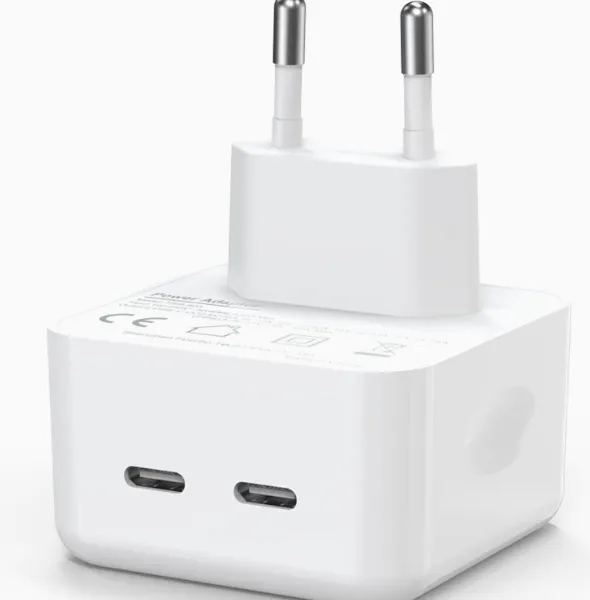
45W GaN USB-C Fast Charger EU AU PD Fast Wall Charging Adapter for IPhone Tablets With CE REACH PassedUS$ 8MOQ: 100 Pieces
-
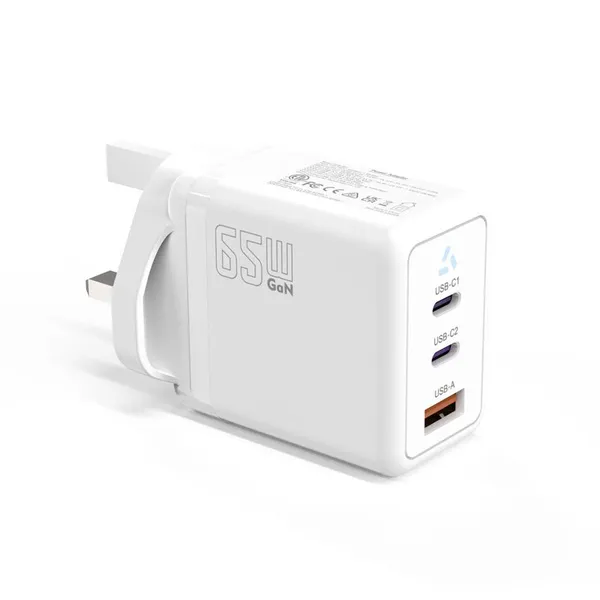
QC3.0 65W GaN USB C Super Fast Charger With UKCA 3 Ports PD 3.0 GaN Charger for Iphone Macbook SamsungUS$ 10MOQ: 100 Pieces
-
30W USB-C and USB-A GaN QC3.0 Fast Charging Adapter PD Fast Charger Compact Wall Adapter for IPhone Samsung and IPadUS$ 3MOQ: 100 Pieces
-
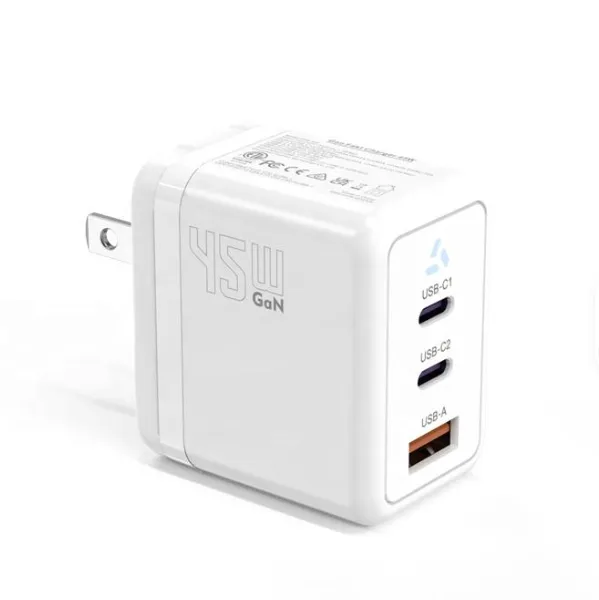
45W GaN USB-C Fast Charger With Dual Type-C and USB-A Ports PD Wall Charging AdapterUS$ 8MOQ: 100 Pieces
-
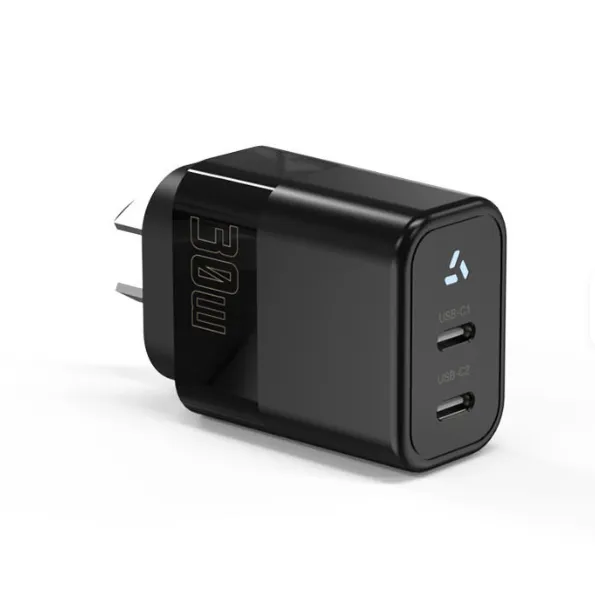
Dual USB C Ports QC3.0 30W Fast Charger With EU UK AU US USB-C PD Wall Chargeer 30W PD Power AdapterUS$ 3MOQ: 100 Pieces
-
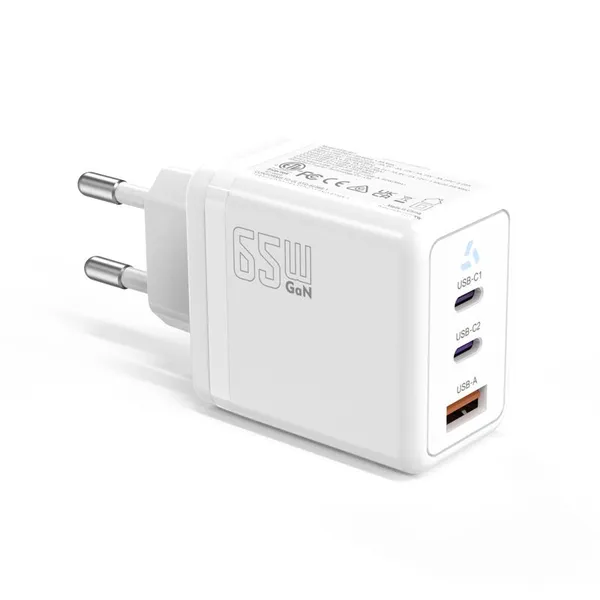
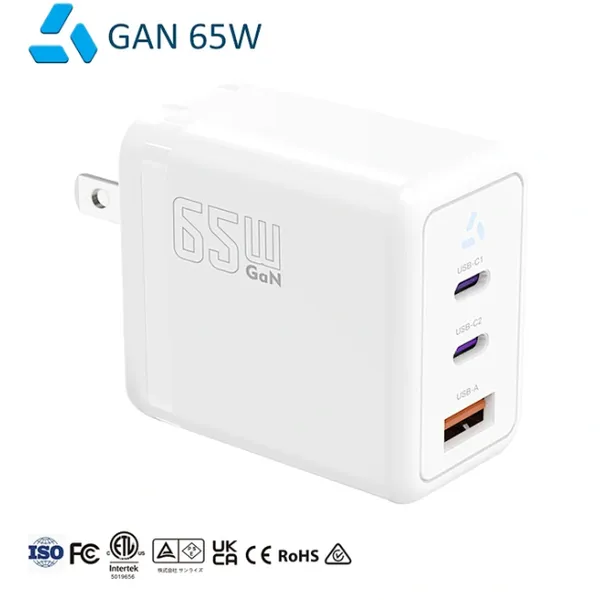
Compact 65W GaN USB-C Wall Charger With Dual USB-C Ports and USB-A Fast Charging Adapter With CE UKCA ETL SAAUS$ 10MOQ: 100 Pieces
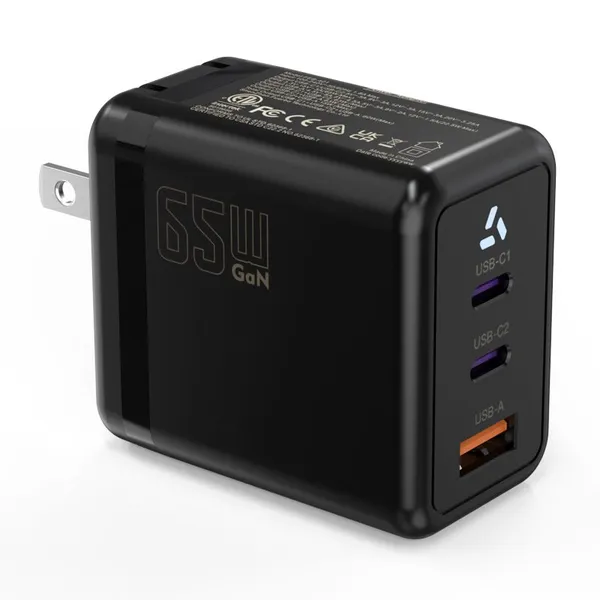
-
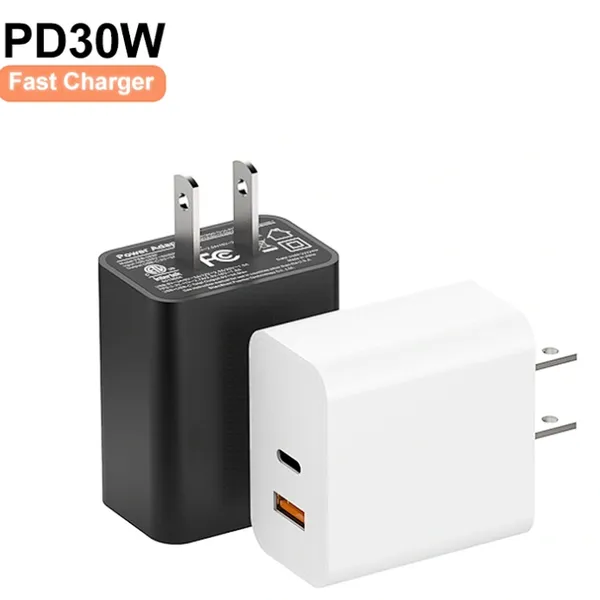
QC3.0 Fast Charging Adapter PD30W USB-C USB-A GaN PD Fast Charger PD 3.0 GaN Charger Compact Wall Adapter for IPhone Samsung and IPadUS$ 3MOQ: 100 Pieces
-
12V 5A 60W US EU AC DC Adapter LED Driver LED SMPS AC to DC Switching Power SupplyUS$ 5 - 7MOQ: 50 Pieces
-
CE FCC CUL SAA KC PSE 24Vdc 48W Switching Power Supply AdaptersUS$ 5 - 7MOQ: 50 Pieces
-
CE GS UKCA SAA CUL Qualified Waterproof Switching Power Supply Ip68 PSE UL SAA GS 12V 2AUS$ 3 - 6MOQ: 50 Pieces
-
12V 1A Factory OEM Waterproof AC Adapter for Laser Light Table Lamp ac dc Adaptor With TUV CE GS for EU MarketUS$ 5 - 7MOQ: 50 Pieces