
 Business License
Quick Charge Compatibility: An OEM Buyer's Guide
Last October, a product manager at a Berlin IoT startup opened a return report and found the same sentence repeated forty-seven times: "Charger works with my old phone, but not my new one." The adapter they had sourced, an 18W USB-C unit with an attractive catalog price, was delivering power, but it was not negotiating the right fast-charging protocol. Within one month, the brand's marketplace rating dropped half a star and their reorder was cut by 60%.
If you source AC/DC power adapters or chargers for consumer electronics, IoT, or mobile accessories, quick charge compatibility is not a marketing checkbox. It is the difference between a product that works out of the box and a product that generates support tickets, returns, and bad reviews.
This guide explains what quick charge compatibility actually means, which protocols matter for OEM buyers, where compatibility breaks down, and how to verify a supplier's claims before you commit to production. By the end, you will know exactly what to specify on your next adapter PO.
Ready to evaluate a sample? Request a free sample and we will ship an engineering unit within 7 days.
What quick charge compatibility really means
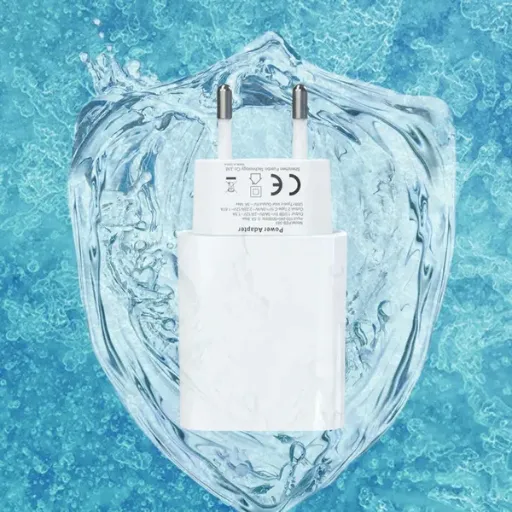
Quick charge compatibility describes whether a power adapter or charger can successfully negotiate and deliver the fastest safe charging rate supported by the connected device. The phrase covers more than raw wattage. A 65W adapter is not automatically a fast charger if it cannot speak the same protocol language as the phone, tablet, router, or battery pack at the other end of the cable.
At minimum, compatibility requires three things to line up:
Connector and cable: USB-C is now the default for most fast-charging ecosystems, but not all USB-C cables carry the same current rating or electronically marked power delivery.
Protocol handshake: The adapter and device must agree on a common fast-charging standard, USB Power Delivery (PD), Qualcomm Quick Charge (QC), Programmable Power Supply (PPS), or another proprietary scheme.
Voltage and current profile: Even compatible protocols must settle on a voltage the device can accept and a current the cable and connector can safely carry.
When any one of these three fails, the system falls back to the slowest safe rate, often 5V at 1A or 1.5A. The device charges, but not quickly. For an OEM shipping a "fast charger" in the box, that fallback feels like a defect to the end user.
Pro tip: Always request the adapter's certified protocol list and the exact output voltage rail table before you approve a sample. "Supports PD" means very little without the accompanying PDOs, power delivery objects, that define which voltages and currents are advertised.
The fast-charging protocols OEM buyers need to know
There are more than a dozen quick-charging schemes on the market. For OEM sourcing, four cover the majority of real-world cases.
USB Power Delivery (PD)
USB PD is the industry-standard fast-charging protocol maintained by the USB Implementers Forum. It communicates over the USB-C CC (configuration channel) pins and can deliver up to 240W in the latest PD 3.1 extended power range. Most modern smartphones, tablets, laptops, and a growing number of IoT devices support PD.
Key specifications to verify:
PD version: PD 2.0, PD 3.0, or PD 3.1
PDO profile: Fixed voltages offered by the adapter, for example 5V/3A, 9V/3A, 12V/3A, 15V/3A, 20V/3.25A
PPS support: Optional in PD 3.0; allows step-less voltage adjustment
USB PD is the safest bet for global products because it is not tied to a single silicon vendor. It is also the protocol the EU common-charger regulation references for phones and similar devices.
Qualcomm Quick Charge (QC)
Qualcomm Quick Charge is a proprietary family of protocols most commonly found in smartphones running Snapdragon processors. QC 3.0 introduced INOV (Intelligent Negotiation for Optimum Voltage), which lets the device request voltage in 200mV increments between 3.6V and 20V. QC 4 and QC 4+ are designed to interoperate with USB PD and PPS.
OEMs targeting North American or Asian smartphone accessories often still specify QC compatibility because a large installed base of devices expects it. However, QC alone will not fast-charge a device that only speaks USB PD.
Programmable Power Supply (PPS)
PPS is an extension of USB PD 3.0. Instead of fixed voltage rails, PPS allows the device to request small voltage adjustments in real time, typically 3.3V to 21V in 20mV steps. This precision reduces heat and improves charging efficiency, which is why Samsung and several other major brands require PPS for their fastest charging modes.
If your product markets "super-fast charging" for Samsung Galaxy devices or similar flagships, PPS support is usually non-negotiable.
Proprietary protocols: VOOC, SuperVOOC, SCP, FCP, AFC
Brands like OPPO, OnePlus, Huawei, and Samsung have introduced their own protocols. Some examples:
VOOC / SuperVOOC: OPPO and OnePlus
SCP / FCP: Huawei
AFC: Samsung Adaptive Fast Charging (older generation, now largely replaced by PD/PPS)
For most OEM buyers, supporting every proprietary protocol is impractical. The practical approach is to lead with USB PD + PPS and add QC compatibility if your target market demands it. Niche proprietary support is usually reserved for after-market or brand-specific accessories.
Where quick charge compatibility breaks down
Compatibility failures usually fall into one of five categories. Knowing them in advance will save you from field failures.
1. Missing PDO voltage rail
A device expects 9V to enter fast charging, but the adapter only advertises 5V and 12V. The device sees no matching voltage and falls back to 5V. The adapter is not broken; it is simply not the right adapter for that device.
2. Under-rated cable
A 60W PD adapter paired with a cable rated for only 3A cannot deliver 20V/3A safely. If the cable is electronically marked, the power contract will be limited. If it is not marked, the user may experience inconsistent charging or overheating.
3. Protocol conflict
Some adapters claim multi-protocol support but handle handshakes poorly. We have seen units that advertise both QC and PD, yet fail to fall back cleanly when a PD-only device is connected. The result is a phone that charges at 5W despite sitting next to a 25W label.
4. Thermal throttling
An adapter may hit its advertised wattage in a 25°C lab, but throttle back significantly at 40°C or 50°C. For products sold globally, thermal performance across the operating temperature range matters more than the peak number on the box.
5. Connector mismatch
USB-A ports cannot carry USB PD. If an adapter has only USB-A outputs, it cannot deliver PD-based fast charging even if the internal power supply is capable. Similarly, a USB-C port that lacks the required CC channel wiring will not negotiate PD correctly.
Engineering insight: When we validate a switching power supply design for fast-charging duty, we test protocol handshake against a reference device list covering at least the top 20 global smartphone and tablet models. Handshake consistency matters as much as efficiency numbers.
Mini-story: when compatibility becomes a warranty problem
In 2023, Marcus, a procurement engineer at a Dutch mobile accessories brand, sourced 10,000 18W USB-C adapters for a retail bundle. The supplier datasheet listed "PD compatible." On the test bench, the adapter charged an iPhone at 9V/2A, good enough for the PO.
What Marcus did not verify was PPS support. When Samsung Galaxy users plugged in, the phones charged at 9V but never entered the 25W super-fast mode. Worse, a small percentage of units triggered a "slow charger" warning on newer Samsung devices. Retail returns climbed past 4% within eight weeks, and the distributor demanded a chargeback.
The root cause was a controller firmware version that advertised PD 3.0 but did not implement PPS. The supplier had interpreted "PD compatible" loosely. Marcus now requires every adapter quote to include the exact PD version, PDO table, and PPS capability flag before he approves a sample.
How to verify quick charge compatibility before production
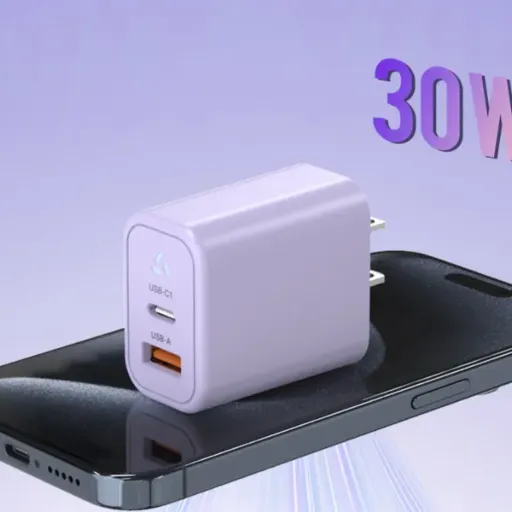
Do not rely on a datasheet line that says "fast charging supported." Use this verification checklist instead.
Request the protocol certification
Ask for test evidence from a recognized lab or the protocol owner:
USB-IF certification for PD adapters
Qualcomm Quick Charge certification for QC adapters
PPS test report if PPS is claimed
Certification does not guarantee perfect compatibility across every device, but it proves the adapter passed standardized handshake and power-contract tests.
Review the PDO / PPS tables
For PD adapters, demand the exact power delivery object table. A typical 30W PD adapter might list:
| PDO | Voltage | Max current | Max power |
|---|---|---|---|
| 1 | 5V | 3A | 15W |
| 2 | 9V | 3A | 27W |
| 3 | 12V | 2.5A | 30W |
| 4 | 15V | 2A | 30W |
| 5 | 20V | 1.5A | 30W |
| PPS | 3.3–11V | 3A | 33W |
If your target device needs 15V and the adapter does not offer it, the device will not charge at the intended speed. Match the PDO table to your product requirements.
Test against real target devices
Protocol emulators are useful, but they do not replicate the quirks of real phones. Build a device matrix that represents your end users. For a global smartphone accessory, that might include recent iPhone, Samsung Galaxy, Google Pixel, Xiaomi, and OPPO models. Measure actual voltage and current at the port during the handshake.
Check thermal behavior under load
Run a 30-minute full-load test at the highest ambient temperature your product will see in the field. Document whether the adapter maintains its advertised output or throttles. A 30W adapter that drops to 18W after 10 minutes is not a 30W adapter for your application.
Validate the cable bundle
If you ship a cable with the adapter, verify the cable rating matches the adapter output. For USB-C to USB-C cables, check whether the cable is electronically marked and rated for the current your adapter advertises. An under-rated cable is often the weakest link in a fast-charging system.
Quick charge compatibility and global compliance
Fast charging does not exempt an adapter from safety and efficiency regulations. In fact, higher power densities make compliance more critical.
Safety standards
A fast-charging USB-C adapter still must meet the same safety standards as any other adapter:
IEC 62368-1 for IT and audio/video equipment
UL 62368-1 for the U. S. market
EN 62368-1 plus EMC standards for CE marking in the EU
UKCA for Great Britain
SAA / RCM for Australia and New Zealand
Higher switching frequencies and denser layouts can make EMC compliance harder, so a supplier with in-house pre-compliance testing is a significant advantage.
Efficiency regulations
DOE Level VI in the U. S. and ErP Tier V in the EU apply to external power supplies regardless of whether they fast charge. For battery chargers, DOE regulations have separate charger energy conservation standards. Verify that your supplier has current test reports for the exact SKU and not a similar-looking predecessor.
Regional connector rules
The EU common-charger directive requires USB-C charging for a wide range of devices by the end of 2024. If you sell into Europe, USB-C PD compatibility is moving from a feature to a regulatory requirement. OEMs should treat PD support as the default for any new product roadmap.
Mini-story: how the right spec saved a launch
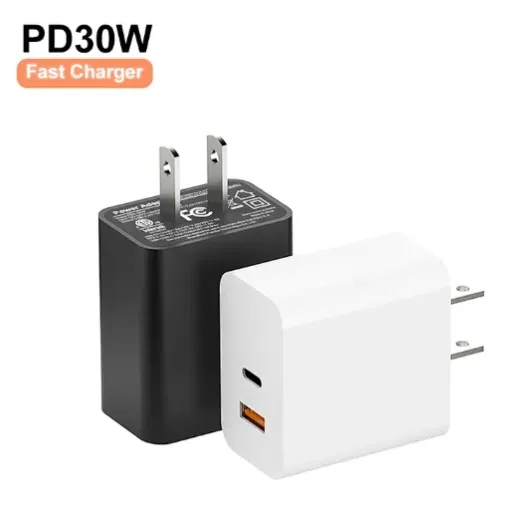
In early 2024, Li Wei, a product manager at a Shenzhen smart-home brand, prepared to launch a Wi-Fi 6 router with a bundled 30W USB-C power adapter. The router itself only needed 12W, but the USB-C port on the router was also designed to fast-charge connected phones. The marketing team wanted "30W fast charging" on the box.
Li Wei worked with the adapter supplier to specify PD 3.0 with PPS, a 5V/3A, 9V/3A, 12V/2.5A PDO table, and QC 4+ fallback. The supplier delivered samples within two weeks. Validation against iPhone, Samsung, Pixel, and Xiaomi devices showed consistent fast charging across all four brands.
The product launched on time, passed Amazon's return-rate threshold, and the brand reordered 50,000 units three months later. The difference was not the wattage. It was that the OEM/ODM services team defined the protocol stack before the first sample was built.
Sourcing checklist for OEM buyers
Use this checklist when requesting quotes for fast-charging adapters or chargers:
Primary target devices and required fast-charging protocols identified
Connector type confirmed: USB-C PD, USB-A QC, or dual-output
PDO table requested and reviewed for PD adapters
PPS support explicitly confirmed or ruled out
QC version specified if Qualcomm compatibility is required
USB-IF or Qualcomm certification documents requested
Cable rating matched to adapter output
Thermal throttling behavior tested at maximum ambient temperature
Safety and efficiency certifications verified for exact model number
Sample tested against real target devices, not just protocol emulators
Treating these items as standard RFQ requirements changes the conversation from "Can you make a fast charger?" to "Can you make a fast charger that works everywhere our customers plug it in?"
Mini-story: the hidden cost of an incomplete spec
A U. S. distributor named Sarah ordered 20,000 dual-port USB-A and USB-C adapters for a back-to-school promotion. The supplier quoted a competitive price and confirmed "Quick Charge 3.0 on USB-A and PD on USB-C." Sarah's team approved the sample based on a single phone test.
When the shipment arrived, customers discovered that plugging a device into the USB-A port reduced the USB-C port output from 18W to 10W. The adapter's total power budget was shared, but the datasheet had not made that clear. Negative reviews piled up under the heading "doesn't fast charge when both ports are used."
The fix was a more expensive controller with independent port budgets and a clearer datasheet. The lesson: quick charge compatibility includes power-budget behavior under multi-port loading, not just single-port headline numbers.
How Anenerge approaches quick charge compatibility
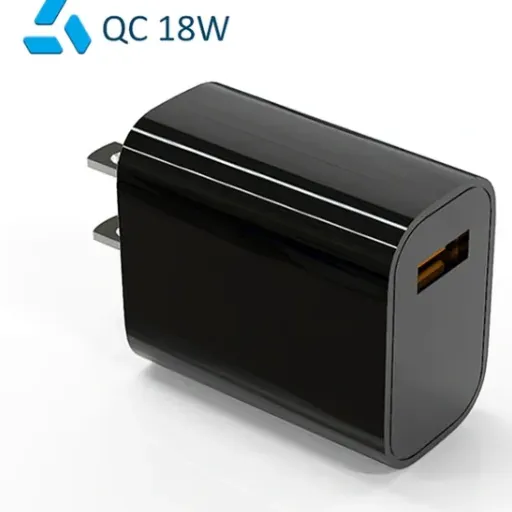
We build AC/DC power adapters and switching power supplies for brand owners who need fast charging to work reliably across device brands and regions. Our process for quick-charge projects follows the same discipline we apply to LiFePO4 and Li-ion charger programs:
Define the protocol stack: We confirm PD version, PPS requirements, QC version, and any proprietary protocols before design starts.
Select the right controller: We use certified controller ICs from recognized semiconductor partners, not generic parts that claim multi-protocol support without certification.
Document the PDO / PPS tables: You receive the exact voltage rails and current limits the adapter will advertise.
Validate against a device matrix: We test samples against agreed target devices and share handshake and thermal data.
Ship with current certifications: CCC, UL, TUV, CB, CE, UKCA, SAA, FCC, DOE Level VI, and ErP Tier V documentation is provided with production.
Every unit passes 100% automatic functional and high-voltage isolation testing before it leaves our floor. For fast-charging adapters, that includes protocol handshake verification to catch controllers that fail to negotiate correctly.
Ready to specify your next fast-charging adapter? Get an OEM quote and our engineering team will review your device matrix and protocol requirements within 24 hours.
Conclusion
Quick charge compatibility is not about choosing the highest wattage adapter on the market. It is about matching the adapter's protocol language, voltage rails, and thermal behavior to the devices your end users actually own.
The most expensive mistake an OEM buyer can make is to treat "PD compatible" or "Quick Charge supported" as enough information. The details, PDO tables, PPS flags, cable ratings, thermal limits, and multi-port power budgets, determine whether the product earns five-star reviews or return requests.
Before your next adapter PO, verify the protocol certification, test against real devices, and demand the exact output profile in writing. The extra two weeks of validation will protect your brand reputation and your reorder volume.
If you are sourcing fast-charging adapters or chargers for consumer electronics, IoT, or mobile accessories, send us your target device list and power requirements. We will return a proposed protocol stack, sample timeline, and certification package within one business day. Request a free sample to test compatibility on your own bench.
Recently Posted
-
Why Is My Phone Charging Slowly? Causes and Fixes
June 22, 2026At 7:45 a.m., Maya plugged her phone into the charger she grabbed from the hotel nightstand. By 8:30, the battery had climbed from Read More
 -
Fast Charging vs Normal Charging: OEM Engineering Guide
June 22, 2026Last year, a European e-bike brand shipped 5,000 units with a 4A fast charger as a premium upgrade. Six months later, their warran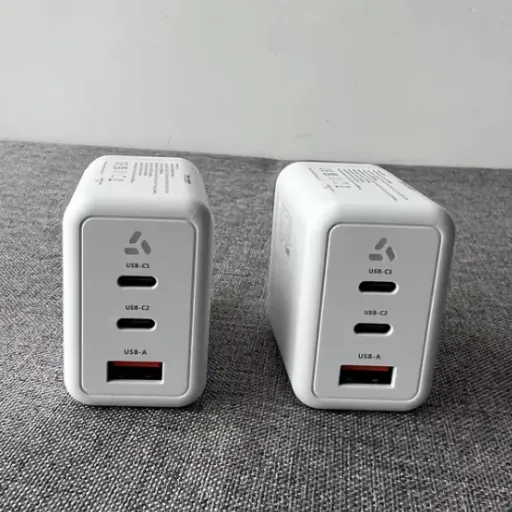 Read More
 -
How to Make Charging Faster: A Technical Guide for OEM Brand Owners
June 22, 2026When Elena, product manager at a Rotterdam e-bike brand, launched her 48V commuter line in spring 2026, she thought 6 hours on a s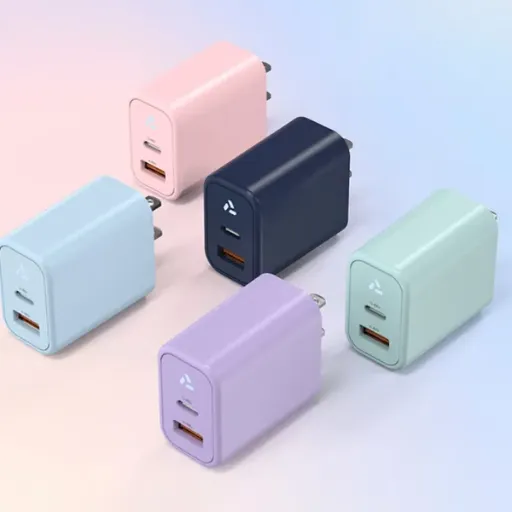 Read More
 -
Does Fast Charging Damage Battery? What OEM Buyers Need to Know
June 22, 2026Yes, fast charging can damage batteries when current exceeds the cell's thermal and electrochemical limits. The damage shows u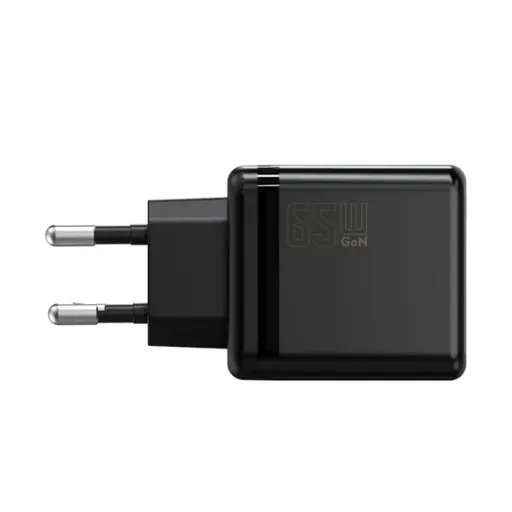 Read More

Contact Us
Recommended Products
-
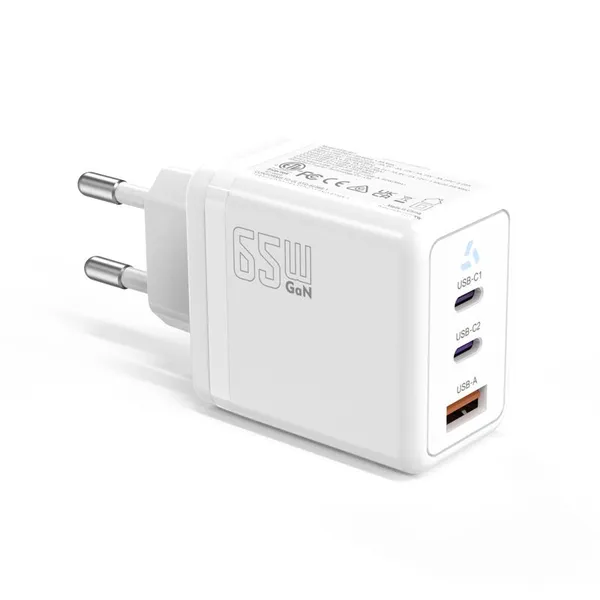
 65W USB-C GaN Wall Charger PD Fast Charging Adapter EU US Plug for Laptop Smartphone and TravelUS$ 6MOQ: 100 Pieces
 -
45W GaN USB-C Fast Charger JP Plug PD Wall Charging Adapter for IPhone MacBook and TabletsUS$ 8MOQ: 100 Pieces
-
QC3.0 30W USB Fast Charger With 18W Quick Charge Wall Adapter for Android and Mobile DevicesUS$ 4MOQ: 100 Pieces
-
Compact 18W Quick Charge 3.0 USB Charger 30W Fast Charging Adapter EU US Plug for TravelUS$ 2MOQ: 100 Pieces
-
30W USB-C and USB-A PD Fast Charger Compact Wall Adapter for IPhone Samsung and IPadUS$ 3MOQ: 100 Pieces
-
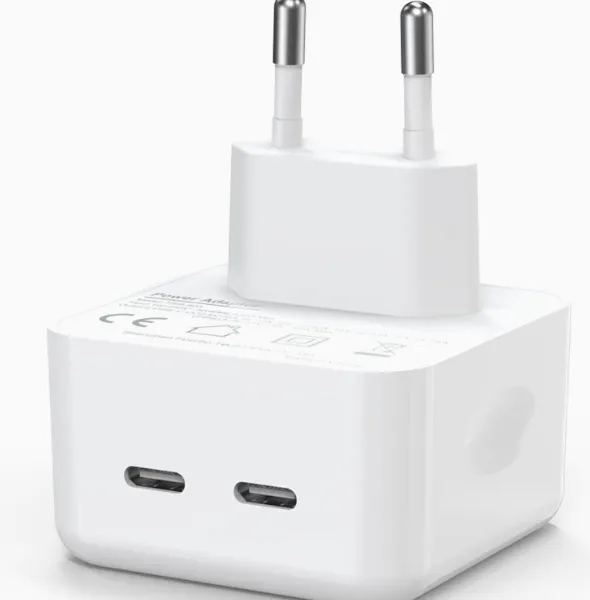
35W Dual USB-C PD Charger Fast Charging Adapter for IPhone Samsung IPad and USB-C DevicesUS$ 3MOQ: 100 Pieces
-
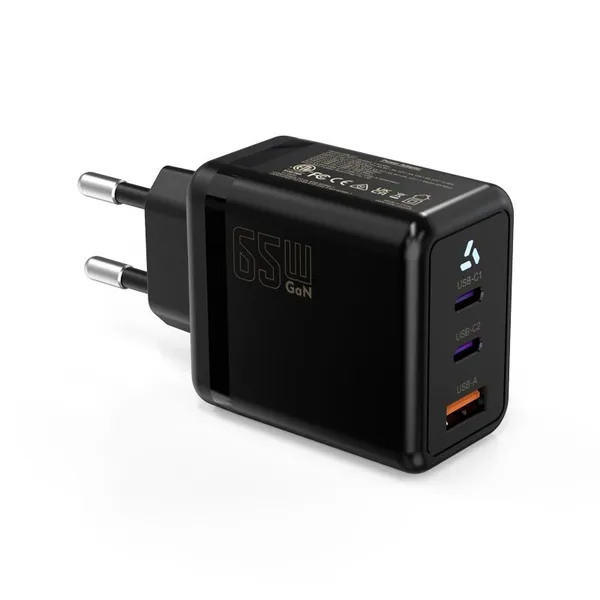
65W USB-C GaN Charger EU Plug Fast Charging Adapter 65W USB-C PD Fast Charge Wall Charger Power Adapter for Macbook ProUS$ 5MOQ: 100 Pieces
-
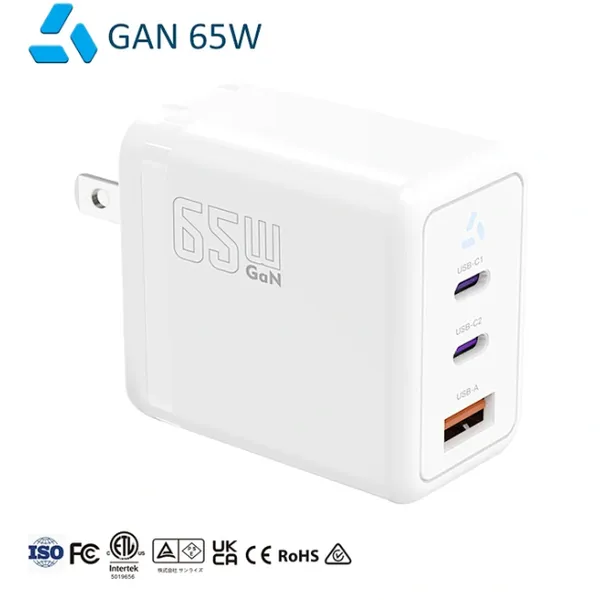
65W GaN USB-C Fast Charger PD Wall Charging Adapter for Laptop IPhone and Mobile DevicesUS$ 5MOQ: 100 Pieces
-
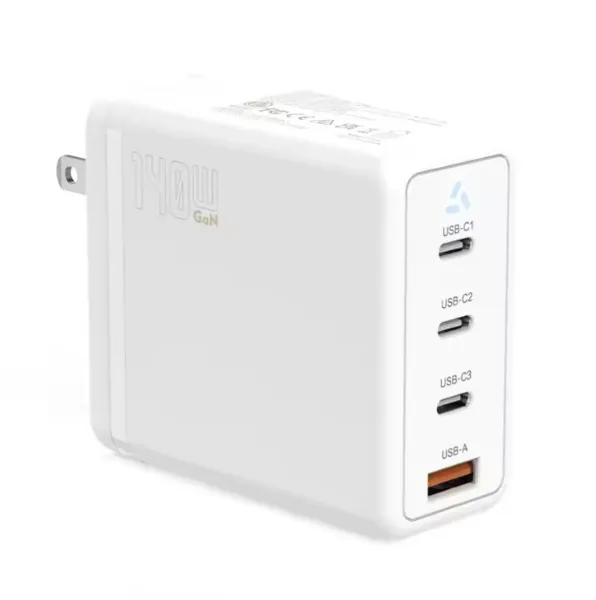
100W GaN USB-C Fast Charger With PD 3.0 for Laptop, MacBook, IPhone & Multi-Device ChargingUS$ 12MOQ: 100 Pieces
-
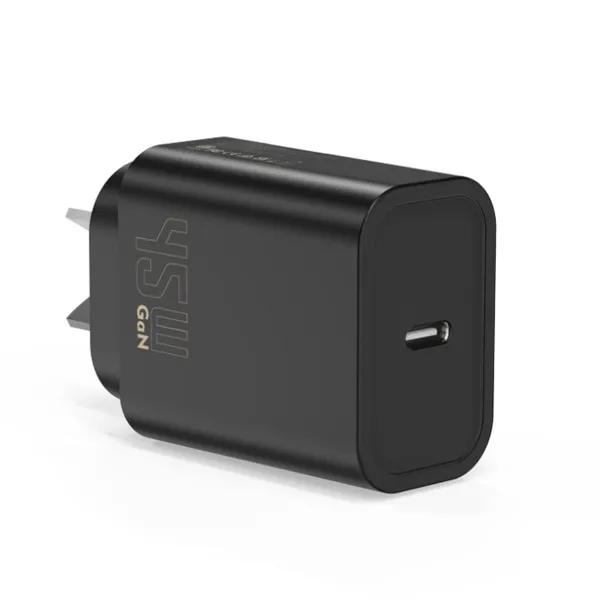
45W GaN USB-C Fast Charger EU AU PD Fast Wall Charging Adapter for IPhone Tablets With CE REACH PassedUS$ 8MOQ: 100 Pieces
-
QC3.0 65W GaN USB C Super Fast Charger With UKCA 3 Ports PD 3.0 GaN Charger for Iphone Macbook SamsungUS$ 10MOQ: 100 Pieces
-
30W USB-C and USB-A GaN QC3.0 Fast Charging Adapter PD Fast Charger Compact Wall Adapter for IPhone Samsung and IPadUS$ 3MOQ: 100 Pieces
-
45W GaN USB-C Fast Charger With Dual Type-C and USB-A Ports PD Wall Charging AdapterUS$ 8MOQ: 100 Pieces
-
Dual USB C Ports QC3.0 30W Fast Charger With EU UK AU US USB-C PD Wall Chargeer 30W PD Power AdapterUS$ 3MOQ: 100 Pieces
-
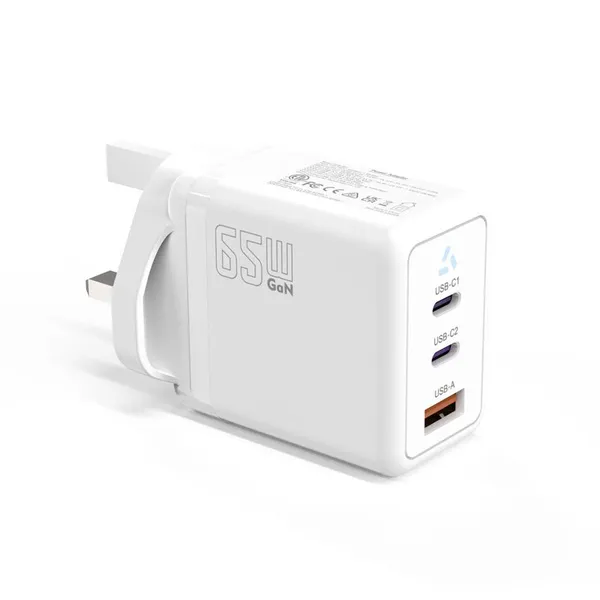
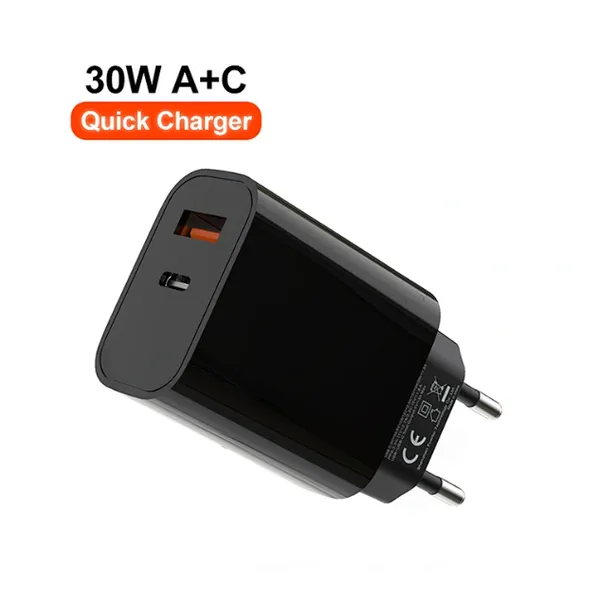
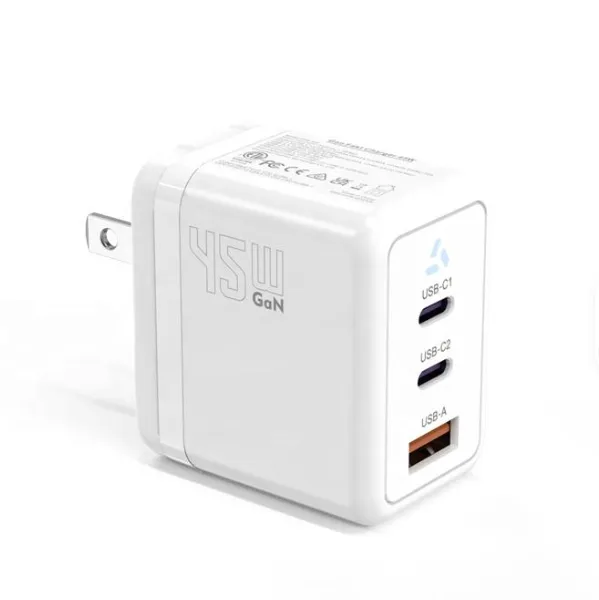
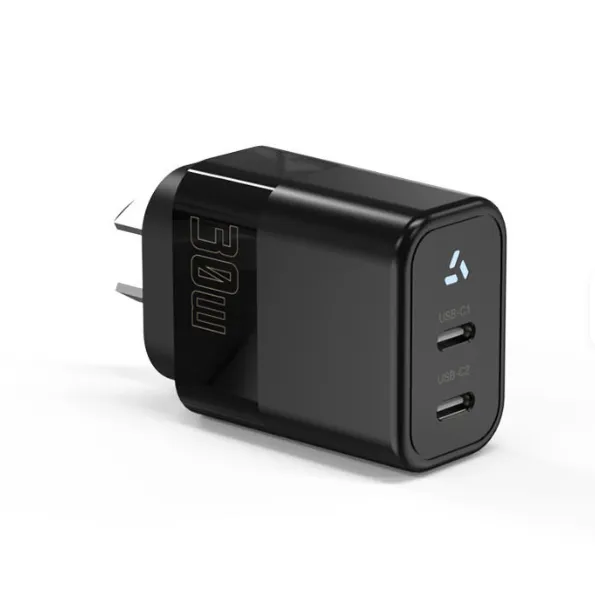
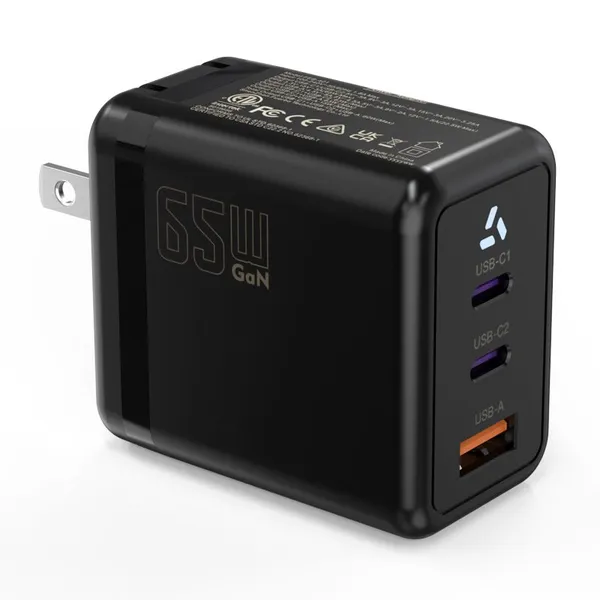
Compact 65W GaN USB-C Wall Charger With Dual USB-C Ports and USB-A Fast Charging Adapter With CE UKCA ETL SAAUS$ 10MOQ: 100 Pieces
-
QC3.0 Fast Charging Adapter PD30W USB-C USB-A GaN PD Fast Charger PD 3.0 GaN Charger Compact Wall Adapter for IPhone Samsung and IPadUS$ 3MOQ: 100 Pieces
-
12V 5A 60W US EU AC DC Adapter LED Driver LED SMPS AC to DC Switching Power SupplyUS$ 5 - 7MOQ: 50 Pieces
-
CE FCC CUL SAA KC PSE 24Vdc 48W Switching Power Supply AdaptersUS$ 5 - 7MOQ: 50 Pieces
-
CE GS UKCA SAA CUL Qualified Waterproof Switching Power Supply Ip68 PSE UL SAA GS 12V 2AUS$ 3 - 6MOQ: 50 Pieces
-
12V 1A Factory OEM Waterproof AC Adapter for Laser Light Table Lamp ac dc Adaptor With TUV CE GS for EU MarketUS$ 5 - 7MOQ: 50 Pieces