
 Business License
Fast Charging vs Normal Charging: OEM Engineering Guide
Last year, a European e-bike brand shipped 5,000 units with a 4A fast charger as a premium upgrade. Six months later, their warranty returns spiked. The batteries were not failing catastrophically, they were simply losing 25% of their rated capacity after 200 cycles. The culprit was not the cells. It was the charge rate.
The debate around fast charging vs normal charging is not really about speed. It is about heat, cycle life, cell chemistry, and the expectations you set for your end users. Pick the wrong charge strategy, and you'll absorb the cost in warranty claims and brand reputation. Pick the right one, and you'll deliver a feature your customers value without shortening battery life.
This guide explains the engineering differences between fast charging and normal charging. You'll learn how C-rate maps to real charge time and what OEM brand owners should specify when sourcing chargers for e-bikes, scooters, and light electric vehicles. We'll cover the trade-offs, the safety implications, and the certification questions every buyer should ask.
Want to see how chemistry-matched chargers protect pack life? Read our LiFePO4 charger buying guide before you finalize your spec.
What "Normal Charging" Means for Lithium Batteries
In battery engineering, "normal charging" usually means charging at 0.2C to 0.5C of the pack's rated capacity. For a 20Ah lithium battery, that is 4A to 10A. A 0.2C charge rate fills the pack in roughly 5 to 6 hours from empty. A 0.5C rate takes about 2 to 3 hours.
Normal charging follows the CC-CV profile. The charger holds a constant current until the pack reaches its voltage cutoff. Then it switches to constant voltage while current tapers. The termination point is typically 0.05C.
This is the profile cell manufacturers design around. It's also the profile that delivers the cycle life printed on the datasheet.
The reason normal charging is gentle has to do with lithium-ion intercalation. At lower C-rates, lithium ions move into the anode in an orderly way. There's less heat, less mechanical stress on electrode particles, and less risk of lithium plating. The result is predictable capacity retention over hundreds or thousands of cycles.
For most e-bike and scooter OEMs, normal charging is the default. It's also the safest baseline for warranty planning. If your end users charge overnight or at work, they don't need a fast charger. They need a charger that protects the pack. Understanding the fundamentals of fast charging vs normal charging helps you set the right baseline for your product line.
What Counts as Fast Charging
When evaluating fast charging vs normal charging, the first question is what counts as "fast." Fast charging generally means charging at 1C or higher. For that same 20Ah pack, a 1C rate is 20A. Some consumer devices and EVs now use 2C, 3C, or even 4C rates. In the e-bike world, anything above 0.5C is often marketed as "fast charging," even if the technical definition is looser.
The appeal is obvious. A 1C charger can take a battery from 20% to 80% state of charge in well under an hour. For fleet operators, delivery riders, and shared mobility services, that uptime translates directly into revenue. For consumers, it removes range anxiety on long rides.
But fast charging extracts a price. Higher current means more resistive heating inside the cell. It increases the solid electrolyte interphase (SEI) layer growth. It also accelerates electrolyte decomposition.
At high current, lithium plating can form at the anode surface if temperature and voltage aren't tightly controlled. These effects are cumulative, and they show up as capacity fade, not sudden failure.
Engineering note: C-rate charging is always relative to pack capacity. A 5A charger is "fast" for a 5Ah pack and "normal" for a 20Ah pack. Always specify charge current as a C-rate, not just an amp number.
Fast Charging vs Normal Charging: Side-by-Side
The table below compares the two approaches across the factors that matter for product design and procurement.
| Factor | Normal Charging (0.2C–0.5C) | Fast Charging (1C+) |
|---|---|---|
| Typical charge time | 4–6 hours for full cycle | 1–2 hours for full cycle |
| Heat generation | Low | High |
| Cell cycle life | Highest | Reduced 20–40% depending on chemistry |
| BMS requirements | Standard | Advanced balancing and temperature monitoring |
| Charger cost | Lower | Higher |
| Thermal management | Passive often sufficient | Active cooling usually required |
| End-user use case | Overnight, workplace, residential | Fleet, rental, high-utilization |
| Warranty risk | Lower | Higher if not engineered correctly |
The takeaway is not that fast charging is bad. It's that fast charging is a system decision, not a charger decision. The charger is only one component. The battery cells, BMS, thermal path, and enclosure must all be rated for the higher C-rate.
If any one of those elements is underspecified, the charger becomes the weakest link, or the loudest warranty claim.
Fast Charging vs Normal Charging: The Hidden Cost of Speed
When Maria, a procurement manager at a Berlin-based scooter sharing company, evaluated chargers for her fleet in 2024, she was drawn to 2C chargers. Downtime between rides was costing her operation money, and halving charge time looked like a clear win on paper.
She ran a three-month pilot with 200 scooters. Charge time dropped from 4.5 hours to 70 minutes. Uptime improved.
Then her field data team noticed that batteries in the fast-charge group were degrading almost twice as fast as the control group. After 18 months, the fast-charge fleet needed battery replacements 8 months earlier than projected. The charger savings were wiped out by a $120,000 unplanned battery refresh.
Her experience is not unusual. Research on lithium-ion cells consistently shows that fast charging accelerates capacity fade. This effect is strongest when the battery is charged at high states of charge or in warm ambient conditions. The exact penalty varies by cell chemistry:
NMC and NCA cells: More sensitive to fast charging; capacity fade increases significantly above 1C
LiFePO4 cells: More tolerant of higher C-rates but still degrade faster at 2C than at 0.5C
LTO cells: Can handle very high C-rates with minimal degradation, but energy density is lower and cost is higher
The real cost is not the charger. It is the shortened battery life, the replacement logistics, and the customer frustration when range drops faster than expected.
How Battery Chemistry Changes the Fast vs Normal Decision
Not all lithium batteries respond to fast charging the same way. This is why OEMs must match the charger to the cell chemistry, not just the nominal voltage.
LiFePO4 (LFP): The Most Tolerant Fast Charging Chemistry
LiFePO4 cells have a lower nominal voltage (3.2V) and flatter discharge curve than standard Li-ion. They tolerate higher charge currents relatively well because the olivine cathode structure is more stable. Many LiFePO4 cell datasheets allow 1C continuous charge. This makes LiFePO4 charging more forgiving than NMC or NCA at higher C-rates, but the same trade-offs still apply.
However, "allowed" is not the same as "optimal." At 1C, a LiFePO4 pack still generates more heat and experiences more cycle stress than at 0.3C. For e-bike brands marketing 2,000+ cycle life, a slower e-bike charger protects the warranty claim and delivers the cycle life your customers expect.
Need a charger tuned to LiFePO4 chemistry? Browse our LiFePO4 battery charger range, available from 12V to 87.6V outputs.
NMC and NCA: High Energy, Lower Fast Charging Tolerance
Nickel manganese cobalt (NMC) and nickel cobalt aluminum (NCA) cells pack more energy per kilogram. They're common in premium e-bikes and scooters. But their higher energy density comes with lower tolerance for aggressive charging. Repeated 1C charging without tight thermal control can reduce cycle life by 30–50% compared with 0.3C charging.
Lithium Titanate (LTO)
LTO cells are the exception. They can charge at 5C or higher with minimal degradation. The trade-off is lower energy density and higher cost. LTO makes sense for specific commercial applications where uptime is worth the premium, but it's rarely the right choice for consumer e-bikes.
Safety, Thermal Management, and BMS Requirements
The safety implications of fast charging vs normal charging go beyond the charger itself. Faster charging raises the stakes for every safety system in the product. A normal charger at 0.2C gives the BMS plenty of time to detect imbalance and adjust. A fast charger at 1C or higher leaves less margin for error.
A production-grade fast-charge system should include:
Cell-level temperature monitoring: NTC thermistors reporting to the BMS every few seconds
Charge current derating at high temperatures: Automatic reduction when cells exceed ~45°C
Advanced cell balancing: Higher currents exaggerate imbalance; active balancing becomes more valuable
Thermal interface design: Heat must leave the pack, not build up in the enclosure
Over-temperature protection (OTP): The charger must stop or reduce current if the pack overheats
Certified charger safety stack: OVP, OCP, SCP, and 3KVAC isolation as baseline
The charger itself must also be rated for continuous output at the higher current. A 10A charger that overheats after 30 minutes is not a fast charger. It is a liability.
Safety note: Fast charging a cold battery is as risky as fast charging a hot one. Lithium plating occurs more easily below 10°C. If your product operates in cold climates, the BMS should reduce or block fast charging at low temperatures.
Certification and Efficiency Considerations for Fast Chargers
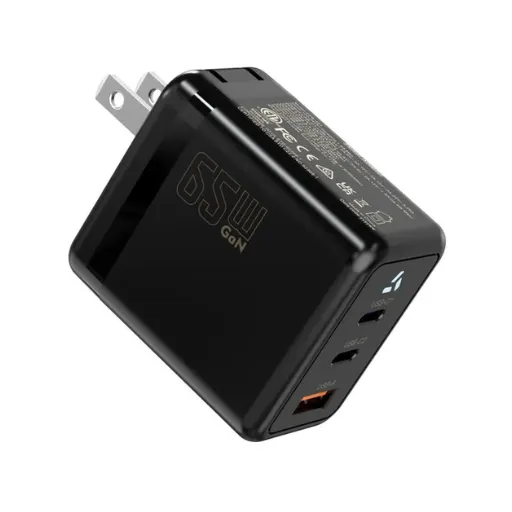
A fast charger is still a power supply, and C-rate charging does not exempt it from regulation. It must meet the same regulatory requirements as any other charger or adapter. For OEMs shipping globally, the certification stack is non-negotiable:
U.S.: UL 62368-1, FCC Part 15, DOE Level VI efficiency
EU: CE marking (EN 62368-1, EN 55032/35), ErP Tier V
UK: UKCA marking
Australia: SAA / RCM
China: CCC
Fast chargers are not exempt from DOE Level VI or ErP Tier V efficiency rules. In fact, efficiency matters more at higher power. A 90% efficient 240W fast charger wastes 24W as heat. At 85% efficiency, it wastes 36W. That extra heat must be managed in the product enclosure.
Efficiency also affects operating cost for fleet customers. A shared e-scooter charged twice a day with a low-efficiency fast charger will consume noticeably more energy over a year than one charged with a high-efficiency unit.
Fast Charging vs Normal Charging: When to Choose Each
Choosing fast charging over normal charging is the right call when the use case justifies the engineering and warranty investment. It makes sense for:
Fleet and rental operators: High utilization rewards short downtime
Delivery and commercial vehicles: Routes are time-sensitive
Premium consumer products: Buyers expect rapid charging as a feature
Products with replaceable batteries: The battery is not expected to last the life of the vehicle
Normal charging is the better default when:
The product is consumer-owned: Users typically charge overnight
Battery longevity is a key selling point: You advertise 2,000+ cycles
Cost pressure is high: Standard chargers are smaller, cooler, and cheaper
Thermal design space is limited: A compact enclosure cannot dissipate fast-charge heat
When Chen, the product manager at a Guangzhou e-bike startup, planned his 2025 model lineup, he split the line. Commuter bikes shipped with 0.3C chargers for battery life. Cargo and delivery bikes shipped with 0.8C chargers because fleet buyers demanded shorter turnarounds.
Both used the same 48V LiFePO4 platform, but the charge-current spec was tuned to the buyer persona. Warranty returns stayed low, and his two-tier strategy gave distributors a clear upsell story.
Choosing the Right Charger: What to Ask Your Supplier
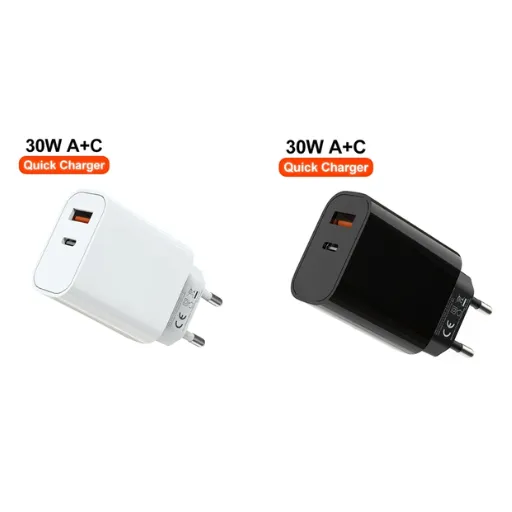
Whether you choose a fast charger or a normal charger, the specification matters. Before placing a production order, ask your supplier for:
The actual CC-CV charge curve, not a marketing description
Charge current tolerance across voltage and temperature
Efficiency test data at 25%, 50%, 75%, and 100% load
Thermal performance at continuous rated output
Certification reports with traceable test numbers for your target markets
BMS communication support if your pack uses CAN, UART, or proprietary protocols
Connector and cable rating for the higher current
MOQ, sample lead time, and production lead time
A fast charger without documented thermal and electrical validation is a gamble. The same is true of a normal charger that can't maintain its voltage accuracy across load and temperature. Demand data, not claims.
Ready to source a charger matched to your battery chemistry and use case? Contact our engineering team with your cell spec and charge-time target. We'll return a proposed profile and sample timeline within 24 hours.
Conclusion
Fast charging vs normal charging is not a popularity contest. It's a product-level engineering decision that touches battery chemistry, thermal design, BMS capability, certification, warranty exposure, and end-user expectations.
The key points to remember:
Normal charging at 0.2C–0.5C delivers the longest cycle life and lowest warranty risk
Fast charging at 1C+ cuts downtime but accelerates capacity fade and increases thermal management requirements
LiFePO4 is more tolerant of fast charging than NMC or NCA, but slower charging still preserves cycle life
Fast charging is a system decision: cells, BMS, thermal path, and charger must all be rated for the higher C-rate
Certifications like DOE Level VI, ErP Tier V, UL, and CE apply regardless of charge speed
If you're specifying chargers for an e-bike, scooter, or light EV program, start with the use case. Let the user's charging behavior and your warranty targets drive the C-rate. Then choose a charger supplier who can document the charge curve, efficiency, and safety testing behind the rating. The right fast charging vs normal charging strategy protects your product, your warranty, and your brand reputation.
Recently Posted
-
Why Is My Phone Charging Slowly? Causes and Fixes
June 22, 2026At 7:45 a.m., Maya plugged her phone into the charger she grabbed from the hotel nightstand. By 8:30, the battery had climbed from Read More
 -
How to Make Charging Faster: A Technical Guide for OEM Brand Owners
June 22, 2026When Elena, product manager at a Rotterdam e-bike brand, launched her 48V commuter line in spring 2026, she thought 6 hours on a s Read More
 -
Does Fast Charging Damage Battery? What OEM Buyers Need to Know
June 22, 2026Yes, fast charging can damage batteries when current exceeds the cell's thermal and electrochemical limits. The damage shows u Read More
 -
How Does Fast Charging Work? An Engineer's Guide for OEM Buyers
June 22, 2026When Chen, a power engineer at a Shenzhen e-mobility startup, first specced a fast charger for their 48V e-scooter, he assumed the Read More

Contact Us
Recommended Products
-
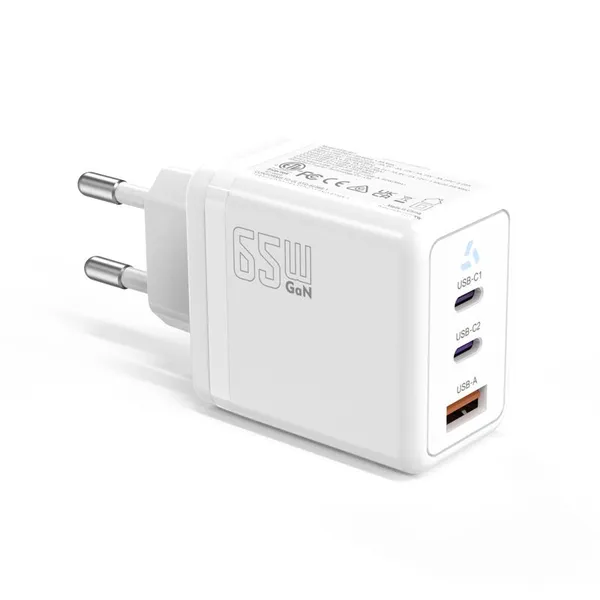
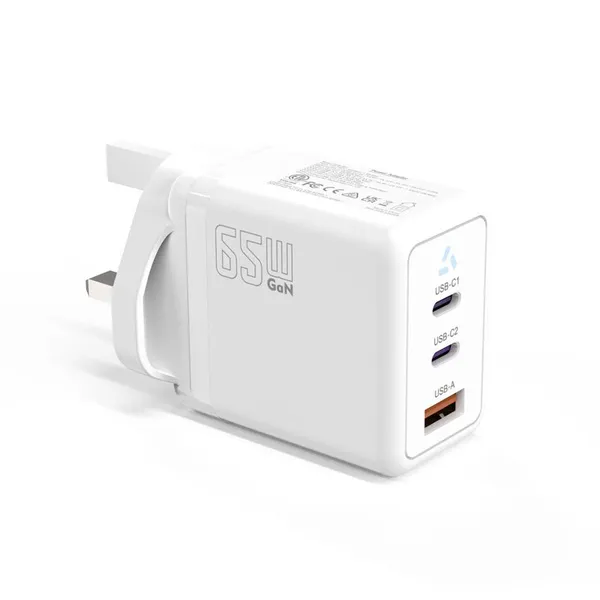
 65W USB-C GaN Wall Charger PD Fast Charging Adapter EU US Plug for Laptop Smartphone and TravelUS$ 6MOQ: 100 Pieces
 -
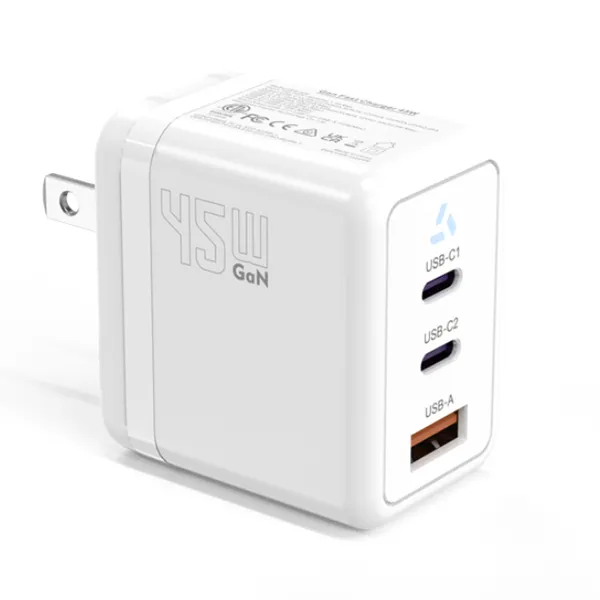
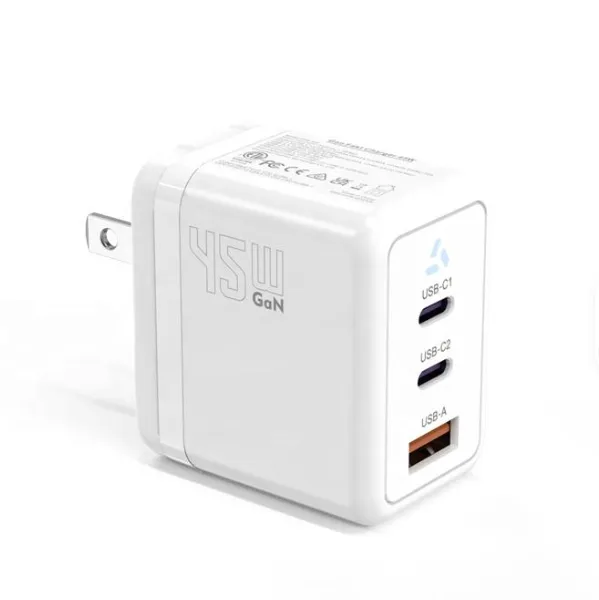
45W GaN USB-C Fast Charger JP Plug PD Wall Charging Adapter for IPhone MacBook and TabletsUS$ 8MOQ: 100 Pieces
-
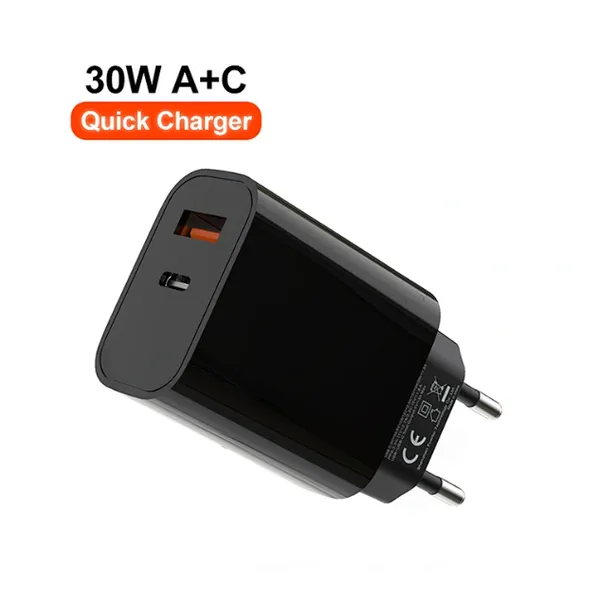
QC3.0 30W USB Fast Charger With 18W Quick Charge Wall Adapter for Android and Mobile DevicesUS$ 4MOQ: 100 Pieces
-
Compact 18W Quick Charge 3.0 USB Charger 30W Fast Charging Adapter EU US Plug for TravelUS$ 2MOQ: 100 Pieces
-
30W USB-C and USB-A PD Fast Charger Compact Wall Adapter for IPhone Samsung and IPadUS$ 3MOQ: 100 Pieces
-
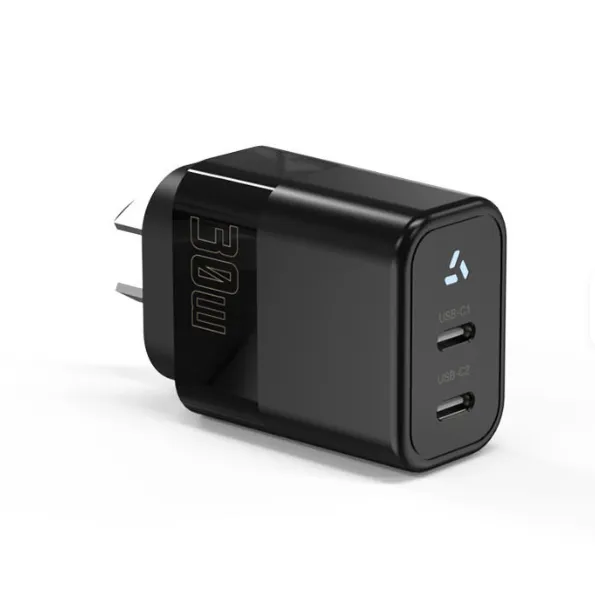
35W Dual USB-C PD Charger Fast Charging Adapter for IPhone Samsung IPad and USB-C DevicesUS$ 3MOQ: 100 Pieces
-
65W USB-C GaN Charger EU Plug Fast Charging Adapter 65W USB-C PD Fast Charge Wall Charger Power Adapter for Macbook ProUS$ 5MOQ: 100 Pieces
-
65W GaN USB-C Fast Charger PD Wall Charging Adapter for Laptop IPhone and Mobile DevicesUS$ 5MOQ: 100 Pieces
-
100W GaN USB-C Fast Charger With PD 3.0 for Laptop, MacBook, IPhone & Multi-Device ChargingUS$ 12MOQ: 100 Pieces
-
45W GaN USB-C Fast Charger EU AU PD Fast Wall Charging Adapter for IPhone Tablets With CE REACH PassedUS$ 8MOQ: 100 Pieces
-
QC3.0 65W GaN USB C Super Fast Charger With UKCA 3 Ports PD 3.0 GaN Charger for Iphone Macbook SamsungUS$ 10MOQ: 100 Pieces
-
30W USB-C and USB-A GaN QC3.0 Fast Charging Adapter PD Fast Charger Compact Wall Adapter for IPhone Samsung and IPadUS$ 3MOQ: 100 Pieces
-
45W GaN USB-C Fast Charger With Dual Type-C and USB-A Ports PD Wall Charging AdapterUS$ 8MOQ: 100 Pieces
-
Dual USB C Ports QC3.0 30W Fast Charger With EU UK AU US USB-C PD Wall Chargeer 30W PD Power AdapterUS$ 3MOQ: 100 Pieces
-
Compact 65W GaN USB-C Wall Charger With Dual USB-C Ports and USB-A Fast Charging Adapter With CE UKCA ETL SAAUS$ 10MOQ: 100 Pieces
-
QC3.0 Fast Charging Adapter PD30W USB-C USB-A GaN PD Fast Charger PD 3.0 GaN Charger Compact Wall Adapter for IPhone Samsung and IPadUS$ 3MOQ: 100 Pieces
-
12V 5A 60W US EU AC DC Adapter LED Driver LED SMPS AC to DC Switching Power SupplyUS$ 5 - 7MOQ: 50 Pieces
-
CE FCC CUL SAA KC PSE 24Vdc 48W Switching Power Supply AdaptersUS$ 5 - 7MOQ: 50 Pieces
-
CE GS UKCA SAA CUL Qualified Waterproof Switching Power Supply Ip68 PSE UL SAA GS 12V 2AUS$ 3 - 6MOQ: 50 Pieces
-
12V 1A Factory OEM Waterproof AC Adapter for Laser Light Table Lamp ac dc Adaptor With TUV CE GS for EU MarketUS$ 5 - 7MOQ: 50 Pieces