
 Business License
How to Make Charging Faster: A Technical Guide for OEM Brand Owners
When Elena, product manager at a Rotterdam e-bike brand, launched her 48V commuter line in spring 2026, she thought 6 hours on a standard 3A charger was fine. By week three, customer reviews told a different story. Commuters wanted overnight charging done in three hours or less. Fleet operators wanted batteries ready between shifts. Her team needed to know how to make charging faster without voiding cell warranties or watching return rates climb.
You probably feel the same pressure. End users expect shorter charge times, but cells last longest when they charge slowly and coolly. The trick is finding the engineering window where speed, safety, and cycle life all hold. This article explains the levers that actually control charge time for Li-ion and LiFePO4 battery charger systems, the trade-offs each lever creates, and how OEM buyers can specify chargers that charge faster in the real world.
You will learn how charge current, charge-curve design, charger efficiency, thermal management, and cable/connectors work together. You will also see why two chargers with the same amp rating can deliver very different charge times.
What actually determines how fast a battery charges
Charge time is not a mystery. For most lithium packs, it comes down to a simple relationship:
CC phase time ≈ pack capacity (Ah) / charge current (A)
A 20Ah pack charged at 5A needs about 4 hours in the constant-current (CC) stage. Add 10–20% for the constant-voltage (CV) taper, and total time lands near 4.5 hours. Double the current to 10A, and the same pack charges in roughly 2.3 hours.
But current is only half the story. Four factors govern total charge time:
Charge current during the CC stage, higher current means shorter CC time.
Charge-cutoff voltage, a charger that stops too early never fills the pack.
CV taper behavior, termination current determines how long the slow final stage lasts.
Thermal and efficiency losses, wasted power becomes heat, which throttles current and lengthens charge time.
Change any one of these and the user experience changes. Change them together without coordination and you risk warranty returns, BMS faults, or shortened cycle life.
Increase charge current, but respect the chemistry
The fastest way to shorten charge time is to raise current. But battery chemistry sets the ceiling. Exceed the cell manufacturer's recommended C-rate and you trade speed for longevity.
For LiFePO4 cells, most manufacturers recommend a standard charge current of 0.2C to 0.5C. Many cells allow a "fast charge" rate of 1C under controlled temperature, but the long-term cycle-life cost is real. For a 20Ah LiFePO4 pack, the practical range looks like this:
| Charge current | Approximate C-rate | CC time for 20Ah pack | Total charge time* |
|---|---|---|---|
| 4A | 0.2C | 5 hours | ~5.7 hours |
| 6A | 0.3C | 3.3 hours | ~3.8 hours |
| 10A | 0.5C | 2 hours | ~2.3 hours |
| 20A | 1C | 1 hour | ~1.3 hours |
*Total time includes CV taper.
The table shows why simply asking "how to make charging faster" always leads back to the same question: how much cycle life are you willing to give up?
For Li-ion cells (NMC, NCA, LCO), the standard range is higher, often 0.5C to 1C, but these chemistries run hotter and are more sensitive to over-voltage at the top of charge. A 1C charge on a Li-ion pack may be technically allowed, but it needs tighter voltage tolerance and better thermal management than LiFePO4.
Our recommendation to OEM buyers: specify charge current in partnership with your cell vendor. Ask for the recommended fast-charge rate, the maximum allowable cell temperature, and the cycle-life impact. Then choose a charger current that hits your user-experience target without crossing the safety line.
Match the charge curve to the cell
Even a high-current charger will feel slow if the charge curve is wrong. CC-CV charging is the standard for lithium chemistries, but the voltage and termination details change everything.
Set the right cutoff voltage
A LiFePO4 cell reaches full charge at 3.65V per cell. A 15S pack therefore tops out at 54.75V. If your charger cuts at 54.4V, the pack will only reach about 95% state of charge. It will feel slower in daily use because the user starts each ride with less available capacity.
Conversely, push the cutoff to 55.0V and you gain a few minutes but stress cells into early degradation. Tolerance matters: every 50mV of error changes the effective state of charge by several percent. Production-grade chargers should hold voltage within ±0.5% over temperature and load.
Optimize the CV taper
The CV stage is where most "fast charging" opportunities hide. Once the pack reaches cutoff voltage, current tapers. Termination current determines when charging stops. A termination of 0.05C is common for LiFePO4, but ending at 0.1C saves 15–25 minutes with minimal cycle-life penalty on most LFP cells.
Some OEMs also use a staged taper: 0.1C for the bulk of the CV phase, then a final 0.05C top-off. The result is a charger that feels faster to 90% while still protecting long-term capacity.
Mini-story: In early 2025, a Shenzhen scooter fleet operator named Liang tested two 48V chargers for his 1,200-unit deployment. Both were rated 5A. One used a generic CC-CV curve with a 0.05C termination. The other used a staged taper ending at 0.1C. The staged charger delivered 90% state of charge 22 minutes faster per cycle. Across 1,200 scooters charged twice daily, that translated into an extra shift per vehicle each day. The fleet manager's ROI calculation favored the staged charger within the first month.
Improve charger efficiency and thermal design
Heat is the enemy of fast charging. When charger efficiency is low, wasted power becomes heat in the charger, cable, and battery. The BMS detects rising cell temperature and reduces charge current to protect the pack. So a 10A charger may effectively deliver only 7A or 8A in a hot enclosure.
Efficiency standards matter more than the label
A charger rated 90% efficiency at full load loses 10% as heat. At 10A output, that is a lot of thermal load in a sealed enclosure. Move to 93% efficiency and the heat loss drops by one-third. The pack stays cooler, the BMS throttles less, and the real-world charge time comes closer to the datasheet number.
Look for chargers that meet DOE Level VI or equivalent efficiency standards. These are not just customs-compliance checkboxes. They directly affect how much heat you generate and how consistently the charger hits its rated speed.
Thermal management is part of the charger spec
Faster charging requires intentional thermal design. Before you increase current, verify:
Case thermal rise at full load and at maximum ambient temperature.
Fan or passive cooling strategy, including noise and ingress-protection trade-offs.
Cable and connector temperature rating for the higher current.
BMS temperature thresholds that may throttle or stop charging.
For outdoor e-bike and scooter chargers, sealed IP65 or IP67 enclosures make passive cooling harder. In these cases, a slightly lower current with higher efficiency often beats a higher current in a cheap, hot charger.
Design for real-world conditions, not the test bench
Datasheet charge times assume 25°C ambient, a healthy battery, and a clean power source. Reality is messier. OEMs who understand real-world conditions build faster-feeling products.
Account for source voltage sag
In warehouses, parking garages, and multi-unit dwellings, AC outlets may sag below 120V or 230V. A poorly regulated charger drops output current when input voltage falls. A charger with a wide input range (100–240V AC) and active power factor correction (PFC) maintains current better under low-line conditions.
Watch cable and connector losses
Thin cables and low-quality connectors add resistance. At 10A, even 0.1Ω of extra resistance wastes 10W as heat and drops voltage at the pack. That voltage drop fools the charger into thinking the pack is full sooner, or it triggers the BMS to throttle. Specify cable gauge, connector type, and contact resistance for the target current.
Don't ignore aging cells
As lithium cells age, internal resistance rises. Aged packs heat up faster and accept current more slowly. A charger with fixed current may see the BMS cut back earlier on older packs. Smart chargers that read BMS data and adjust current based on cell health maintain better charge times over the product life.
Mini-story: Marcus runs the product team at a U.S. IoT gateway company. His first outdoor gateway used a generic 12V 2A adapter with a 5.5 × 2.1mm barrel connector. In field trials in Arizona, charge times stretched by 40% because the connector heated up and the charger folded back. He switched to a higher-efficiency adapter, a 16AWG cable, and a locking connector. Charge times returned to spec even at 50°C ambient, and field failures dropped by 60%.
Smart charger features that speed things up safely
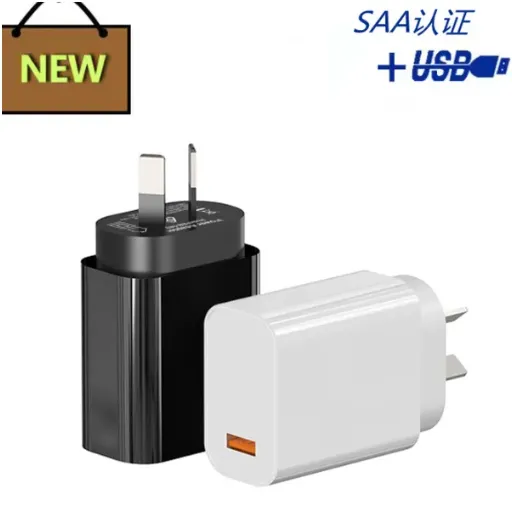
Modern chargers can do more than deliver fixed current and voltage. Several smart features help OEMs make charging faster without sacrificing safety.
Temperature compensation
Cell voltage targets change with temperature. A cold pack can accept less current safely. A hot pack needs a lower cutoff voltage. Chargers with NTC temperature sensors adjust the charge curve in real time. This lets them charge faster across a wider temperature range without crossing safety limits.
BMS communication
Chargers with CAN-bus or UART communication can ask the BMS for the maximum allowed current at any moment. Instead of guessing, the charger responds to actual cell conditions. This is especially useful for large LiFePO4 energy-storage systems and electric vehicle packs where cell conditions vary significantly.
Pre-charge and recovery modes
Deeply discharged packs often cannot accept full current immediately. A pre-charge mode applies a gentle current until cell voltage rises, then switches to normal CC mode. Without it, the BMS may refuse to charge entirely, making the charger "slow" by comparison.
Programmable charge profiles
The most flexible approach is a charger with a programmable charge profile. OEMs can set voltage, current, taper, and termination parameters for different markets or use cases. A commuter e-bike might ship with a fast 0.5C profile. A premium long-range model might ship with a gentler 0.3C profile to maximize battery life.
Common mistakes that make charging slower or riskier
Even well-intentioned changes backfire when the full system is not considered. Here are mistakes we see OEM buyers repeat.
Mistake 1: Choosing current without talking to the cell vendor
The cell datasheet is the source of truth. A charger maker can suggest current, but the cell vendor knows cycle-life and thermal limits. Skipping this conversation leads to warranty disputes later.
Mistake 2: Using a charger that is not chemistry-matched
A Li-ion charger on a LiFePO4 pack will either stall at the wrong voltage or over-stress cells. A LiFePO4 charger on a Li-ion pack will undercharge. Chemistry matching is non-negotiable for both speed and safety.
Mistake 3: Ignoring the CV stage
Most of the time savings from fast charging come from the CC stage. But if the taper is too conservative, the final 10% of charge can take as long as the first 50%. Optimizing termination current is one of the easiest ways to feel faster without hardware changes.
Mistake 4: Undersizing the cable and connector
High current exposes weak cables and connectors. Voltage sag, heat, and contact wear all increase. Always size components for the current you specify, not just the charger rating.
Mistake 5: Chasing the cheapest charger
A low-cost 5A charger may only sustain 4A in warm conditions due to poor thermal design. The real charge time is longer than the box claims. Total cost of ownership includes cycle life, warranty returns, and brand reputation.
How to make charging faster without shortening battery life
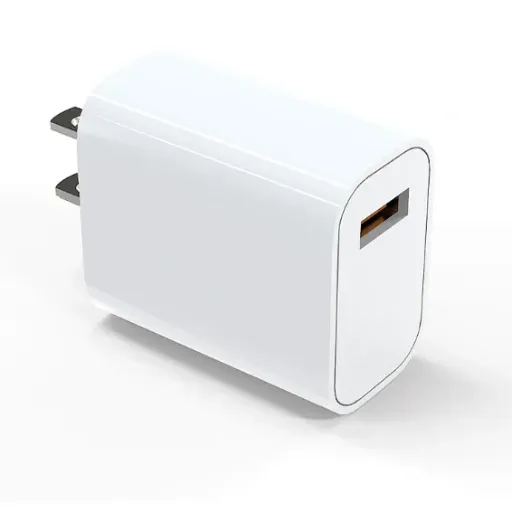
Faster charging is not about pushing one spec to the maximum. It is about removing bottlenecks across the whole chain. The fastest system usually combines moderate current increases with efficiency gains, better thermal design, and a smarter charge curve.
A practical optimization sequence for OEM buyers:
Confirm the cell's fast-charge envelope with your cell vendor.
Choose a current that hits your time target while staying inside that envelope.
Optimize the charge curve: correct cutoff voltage, staged or slightly higher termination current.
Specify high-efficiency power conversion to minimize heat throttling.
Size cables, connectors, and enclosures for the real thermal environment.
Add temperature compensation and BMS communication if the application justifies the cost.
Validate with samples at worst-case ambient temperature and input voltage before production.
Each step is a small change. Together, they can cut charge time by 30–50% without measurable cycle-life penalty.
Mini-story: A Hamburg e-bike brand named VoltStrasse came to us in late 2025 with a specific request. Their 48V 20Ah commuter bike took 6 hours to charge, and customer surveys showed it was the top complaint. We worked with their cell vendor to confirm a safe 0.5C fast-charge window, then built a 10A LiFePO4 charger with 93% efficiency, staged taper, and temperature compensation. Total charge time to 90% dropped to 2 hours 10 minutes. Cycle-life testing showed less than 5% additional degradation over 500 cycles. The new model became their best-selling SKU in Q1 2026.
What to specify when sourcing a fast charger
When you talk to a charger manufacturer or your OEM/ODM partner, bring these specifications:
Battery chemistry and series count (for example, 15S LiFePO4, 13S Li-ion).
Pack capacity in Ah.
Target charge time to 80%, 90%, and 100% state of charge.
Operating temperature range for charger and battery.
Connector type, cable length, and gauge.
Efficiency target and required certifications.
BMS communication protocol, if any.
IP rating for indoor or outdoor use.
A supplier who asks these questions is thinking about the system, not just shipping a box. That matters when you need to defend your supplier choice to QA and compliance teams.
Want to see what a chemistry-matched fast charger looks like for your application? Request a free sample and we will ship an engineering sample matched to your battery spec.
Conclusion: faster charging is a system problem, not a current problem
If you take one idea from this article about how to make charging faster, make it this: faster charging is a system problem. Raising current is the obvious lever, but it is rarely the only one, and often not the safest one. Real speed comes from matching the charge curve to the chemistry, minimizing heat through efficient power conversion, sizing cables and connectors for the load, and validating under real environmental conditions.
Here are the five takeaways:
Charge current is the headline, but the charge curve, efficiency, and thermal design decide real charge time.
Always confirm the cell vendor's recommended C-rate and fast-charge limits before increasing current.
Optimizing the CV taper and cutoff voltage can save 15–25 minutes with little to no hardware change.
Higher charger efficiency keeps the system cool and prevents BMS throttling.
Real-world conditions, source voltage sag, cable resistance, ambient temperature, often matter more than the datasheet number.
For OEM brand owners in e-mobility, IoT, and industrial markets, the next step is to audit your current charger against these criteria. If the numbers do not match the user experience, the bottleneck is usually in the system design, not the battery.
Ready to build a faster, cooler, longer-lasting charger for your product? Request a free sample or contact our engineering team with your battery spec, target charge time, and target markets. We will return a proposed charge profile and sample timeline within 24 hours.
Recently Posted
-
Why Is My Phone Charging Slowly? Causes and Fixes
June 22, 2026At 7:45 a.m., Maya plugged her phone into the charger she grabbed from the hotel nightstand. By 8:30, the battery had climbed from Read More
 -
Fast Charging vs Normal Charging: OEM Engineering Guide
June 22, 2026Last year, a European e-bike brand shipped 5,000 units with a 4A fast charger as a premium upgrade. Six months later, their warran Read More
 -
Does Fast Charging Damage Battery? What OEM Buyers Need to Know
June 22, 2026Yes, fast charging can damage batteries when current exceeds the cell's thermal and electrochemical limits. The damage shows u Read More
 -
How Does Fast Charging Work? An Engineer's Guide for OEM Buyers
June 22, 2026When Chen, a power engineer at a Shenzhen e-mobility startup, first specced a fast charger for their 48V e-scooter, he assumed the Read More

Contact Us
Recommended Products
-
 65W USB-C GaN Wall Charger PD Fast Charging Adapter EU US Plug for Laptop Smartphone and TravelUS$ 6MOQ: 100 Pieces
 -
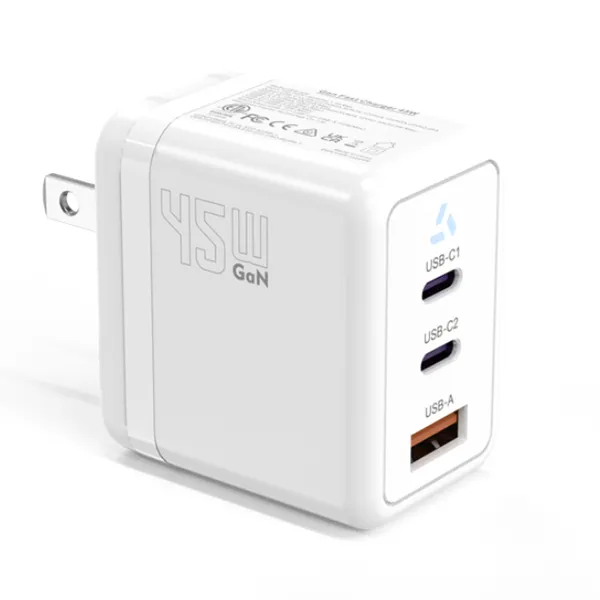
45W GaN USB-C Fast Charger JP Plug PD Wall Charging Adapter for IPhone MacBook and TabletsUS$ 8MOQ: 100 Pieces
-
QC3.0 30W USB Fast Charger With 18W Quick Charge Wall Adapter for Android and Mobile DevicesUS$ 4MOQ: 100 Pieces
-
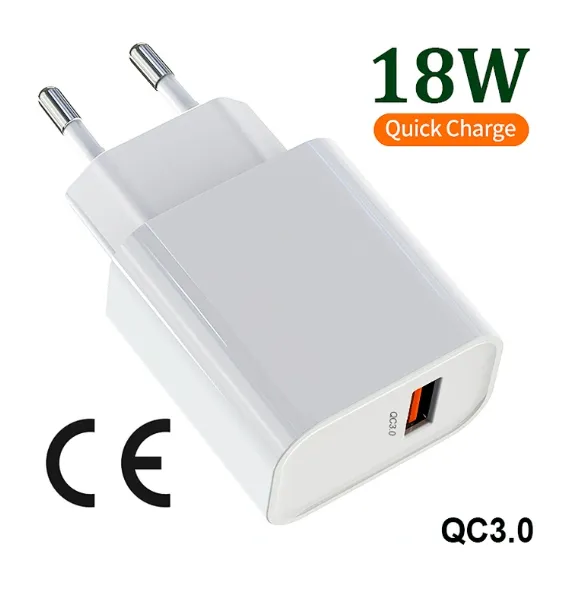
Compact 18W Quick Charge 3.0 USB Charger 30W Fast Charging Adapter EU US Plug for TravelUS$ 2MOQ: 100 Pieces
-
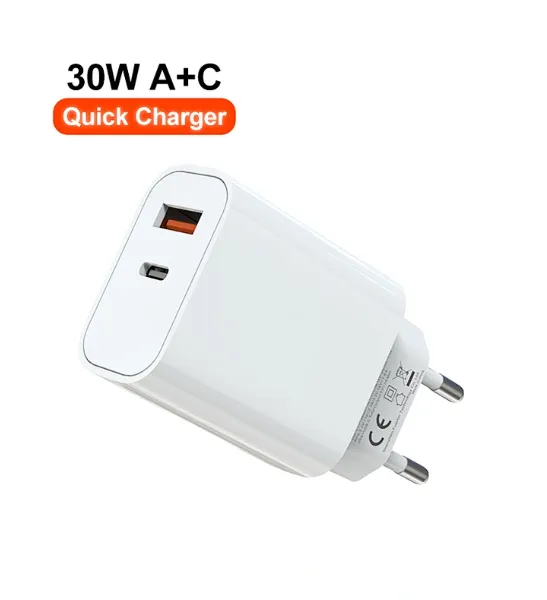
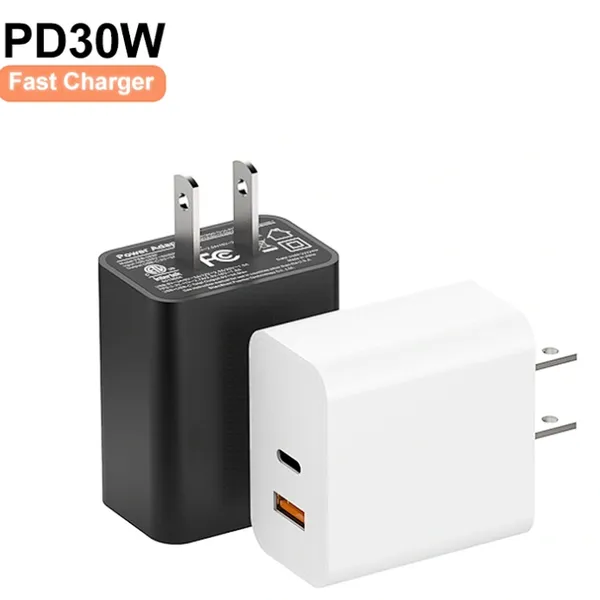
30W USB-C and USB-A PD Fast Charger Compact Wall Adapter for IPhone Samsung and IPadUS$ 3MOQ: 100 Pieces
-
35W Dual USB-C PD Charger Fast Charging Adapter for IPhone Samsung IPad and USB-C DevicesUS$ 3MOQ: 100 Pieces
-
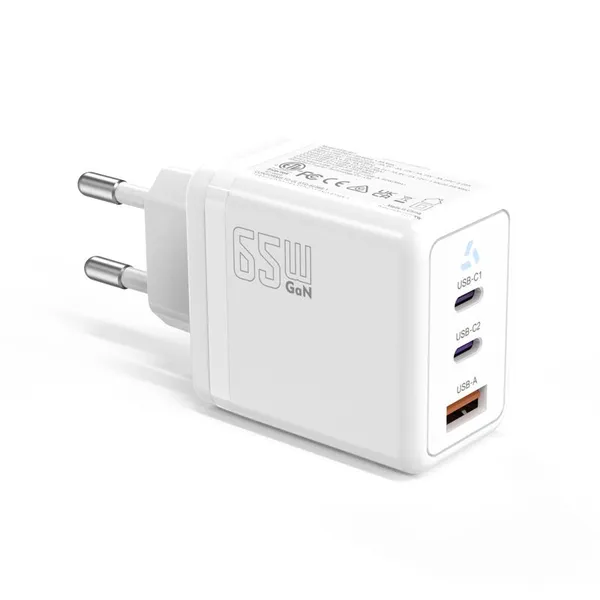
65W USB-C GaN Charger EU Plug Fast Charging Adapter 65W USB-C PD Fast Charge Wall Charger Power Adapter for Macbook ProUS$ 5MOQ: 100 Pieces
-
65W GaN USB-C Fast Charger PD Wall Charging Adapter for Laptop IPhone and Mobile DevicesUS$ 5MOQ: 100 Pieces
-
100W GaN USB-C Fast Charger With PD 3.0 for Laptop, MacBook, IPhone & Multi-Device ChargingUS$ 12MOQ: 100 Pieces
-
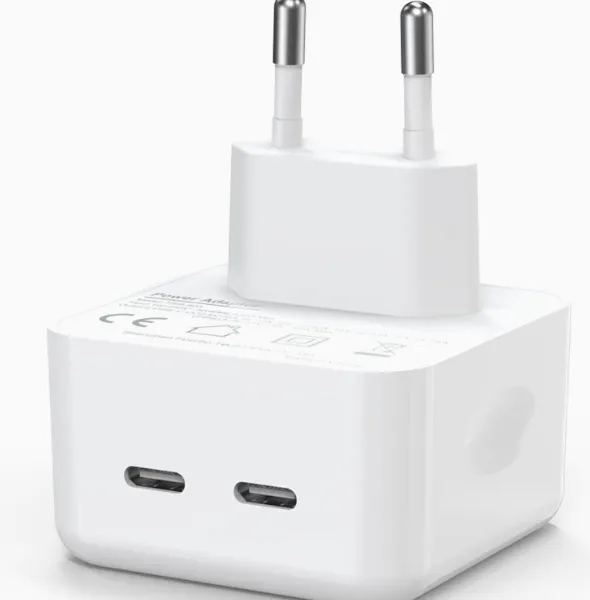
45W GaN USB-C Fast Charger EU AU PD Fast Wall Charging Adapter for IPhone Tablets With CE REACH PassedUS$ 8MOQ: 100 Pieces
-
QC3.0 65W GaN USB C Super Fast Charger With UKCA 3 Ports PD 3.0 GaN Charger for Iphone Macbook SamsungUS$ 10MOQ: 100 Pieces
-
30W USB-C and USB-A GaN QC3.0 Fast Charging Adapter PD Fast Charger Compact Wall Adapter for IPhone Samsung and IPadUS$ 3MOQ: 100 Pieces
-
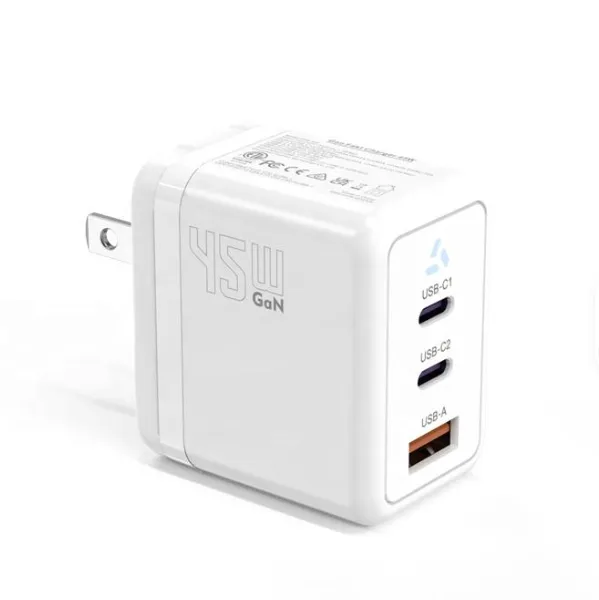
45W GaN USB-C Fast Charger With Dual Type-C and USB-A Ports PD Wall Charging AdapterUS$ 8MOQ: 100 Pieces
-
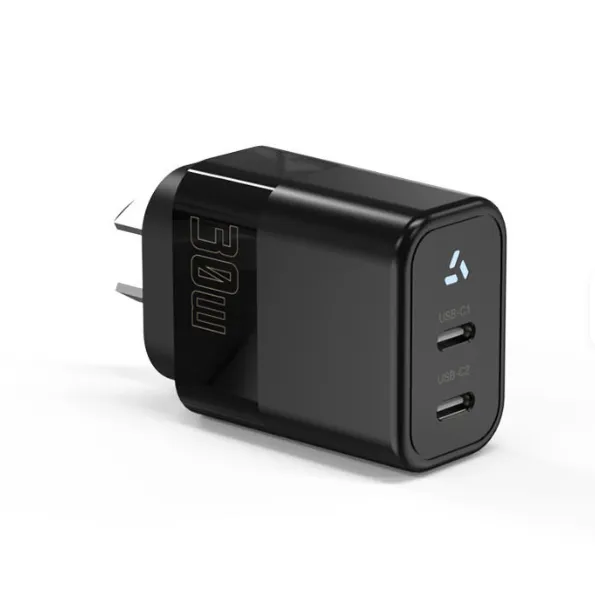
Dual USB C Ports QC3.0 30W Fast Charger With EU UK AU US USB-C PD Wall Chargeer 30W PD Power AdapterUS$ 3MOQ: 100 Pieces
-
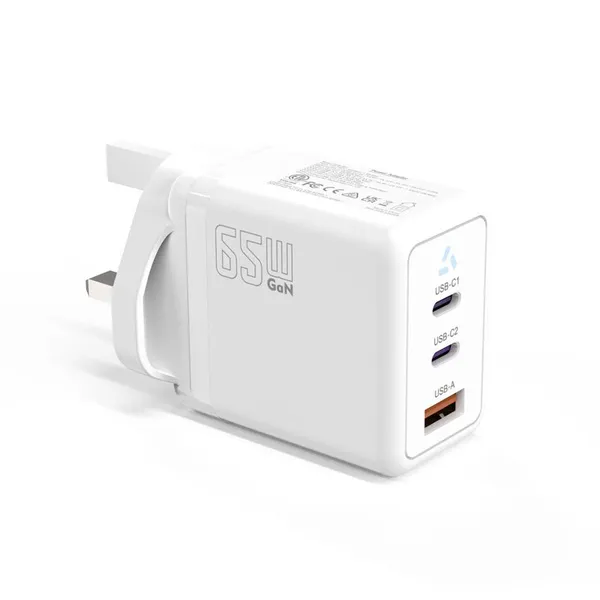
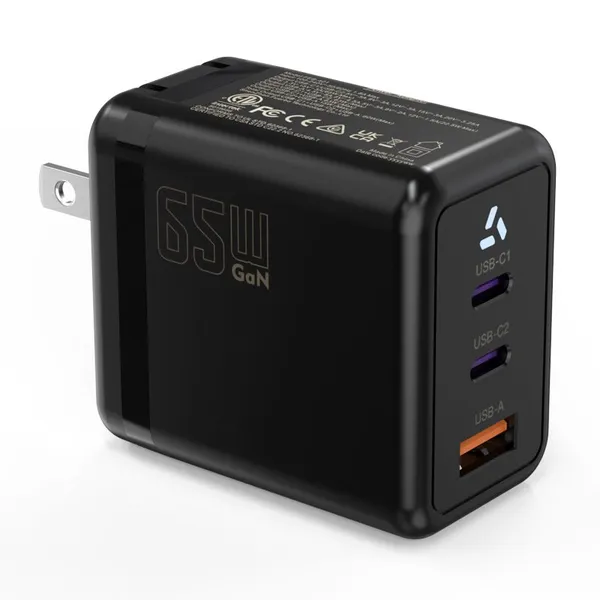
Compact 65W GaN USB-C Wall Charger With Dual USB-C Ports and USB-A Fast Charging Adapter With CE UKCA ETL SAAUS$ 10MOQ: 100 Pieces
-
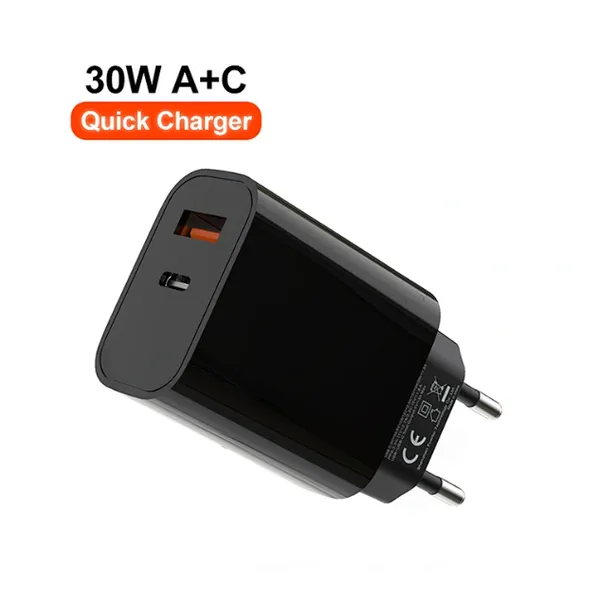
QC3.0 Fast Charging Adapter PD30W USB-C USB-A GaN PD Fast Charger PD 3.0 GaN Charger Compact Wall Adapter for IPhone Samsung and IPadUS$ 3MOQ: 100 Pieces
-
12V 5A 60W US EU AC DC Adapter LED Driver LED SMPS AC to DC Switching Power SupplyUS$ 5 - 7MOQ: 50 Pieces
-
CE FCC CUL SAA KC PSE 24Vdc 48W Switching Power Supply AdaptersUS$ 5 - 7MOQ: 50 Pieces
-
CE GS UKCA SAA CUL Qualified Waterproof Switching Power Supply Ip68 PSE UL SAA GS 12V 2AUS$ 3 - 6MOQ: 50 Pieces
-
12V 1A Factory OEM Waterproof AC Adapter for Laser Light Table Lamp ac dc Adaptor With TUV CE GS for EU MarketUS$ 5 - 7MOQ: 50 Pieces