
 Business License
Does Fast Charging Damage Battery? What OEM Buyers Need to Know
Yes, fast charging can damage batteries when current exceeds the cell's thermal and electrochemical limits. The damage shows up as lithium plating, SEI layer growth, and electrolyte breakdown. When the charger is matched to the cell chemistry with proper C-rate, voltage accuracy, and temperature monitoring, fast charging becomes a safe product feature.
In 2023, a Madrid-based e-scooter fleet operator swapped every charger in its depot to 2C "rapid charge" units. Six months later, warranty claims for battery packs had jumped 340%. The problem was not the batteries. It was that the chargers pushed current faster than the cells could accept safely.
If you specify chargers for e-bikes, scooters, IoT devices, or energy storage systems, you have probably asked the same question: does fast charging damage battery packs? The honest answer is yes, it can, but only when current, voltage, and temperature are not controlled together. Done right, fast charging is a competitive feature. Done wrong, it becomes a warranty nightmare.
This guide explains the physics behind fast charging battery damage, how the risk differs across chemistries, and what OEM buyers should specify to protect cell life. It draws on Anenerge's charger design work with e-mobility and IoT brands worldwide.
Request a free charger sample to test a chemistry-matched profile against your pack.
What "Fast Charging" Actually Means
Before deciding whether fast charging damages batteries, define the term. In power engineering, charge speed is expressed as C-rate. One C equals a charge current that would fill the pack from empty to full in one hour. A 10Ah pack charged at 10A is charging at 1C. The same pack at 5A is 0.5C, and at 20A it is 2C.
Industry usage is loose, but most battery engineers consider anything above 0.5C to 1C as fast charging. Smartphone chargers marketed as "fast" often run at 1C to 2C. Electric vehicle fast chargers can exceed 3C. For the e-bike and scooter chargers that Anenerge builds, 0.2C to 0.5C is typical, with 1C available only when the cell datasheet and thermal design explicitly support it.
Higher C-rate means shorter charge time. It also means more heat, more electrochemical stress, and less tolerance for voltage error. Every OEM buyer needs to understand that trade-off before approving a charger spec.
How Fast Charging Damages Different Battery Chemistries
Not all batteries react to fast charging the same way. The chemistry you choose for your product determines how much current the cells can accept before cycle life drops.
Lithium-Ion (NMC / NCA)
Standard lithium-ion cells used in consumer electronics and many e-mobility packs have a full-charge cutoff of 4.2V/cell. They are energy-dense but sensitive to heat. When you charge Li-ion above 0.5C to 1C, several things happen:
Lithium plating: Lithium ions can deposit as metallic lithium on the anode instead of intercalating into the graphite. This reduces capacity and can create dendrites that compromise safety.
SEI layer growth: The solid electrolyte interphase layer thickens faster at high current and temperature, permanently locking away active lithium.
Heat generation: Internal resistance converts charge current into heat. Higher current means higher temperature, which accelerates all degradation mechanisms.
A 2019 study published in the Journal of Power Sources found that charging NMC cells at 2C versus 0.5C could reduce cycle life by 40% to 60%, depending on temperature and voltage cutoff precision. That is why a quality lithium-ion battery charger must do more than deliver current. It must manage the entire charge curve within tight tolerances.
LiFePO4 (LFP)
LiFePO4 cells are more structurally stable than NMC or NCA. Their olivine crystal structure handles higher current with less risk of thermal runaway, and their full-charge cutoff is lower at 3.65V/cell. This makes LiFePO4 more tolerant of fast charging, but not immune to damage.
At C-rates above 1C, LiFePO4 packs still generate significant heat. The cathode material does not break down as easily, but the anode, separator, and electrolyte still age faster. Cell manufacturers typically recommend 0.2C to 0.5C for routine charging and allow 1C only under controlled conditions.
For e-bike and scooter OEMs, the practical takeaway is simple: a LiFePO4 battery charger matched to your cell spec will deliver acceptable charge times without the hidden cycle-life penalty of a generic high-current unit. For a side-by-side analysis of chemistry-specific charger requirements, see our Li-ion vs LiFePO4 charger comparison.
Lead-Acid (SLA / AGM)
Lead-acid batteries are the least suited to fast charging. Their charge acceptance drops sharply as they approach full charge, and high current causes gassing, water loss, and grid corrosion. Most SLA chargers use a slower three-stage profile (bulk, absorption, float) and rarely exceed 0.3C. Fast charging a lead-acid pack without proper voltage control can halve its already short cycle life.
| Chemistry | Typical Safe C-Rate | Full-Charge Cutoff | Fast-Charging Risk |
|---|---|---|---|
| Li-ion (NMC/NCA) | 0.3C–0.8C | 4.2V/cell | High |
| LiFePO4 (LFP) | 0.2C–1.0C | 3.65V/cell | Moderate |
| Lead-acid (SLA/AGM) | 0.1C–0.3C | 2.4V/cell | Very high |
The Real Mechanisms of Fast Charging Battery Damage
When buyers ask "does fast charging damage battery life?" what they really want to know is how. Understanding the mechanisms makes it easier to specify a charger that avoids them.
Heat Is the Primary Killer
Every amp pushed into a cell encounters internal resistance. That resistance converts electrical energy into heat. At 0.2C, the heat is modest and easily dissipated. At 2C, the heat can raise internal cell temperature by 10°C to 20°C above ambient.
For every 10°C increase in operating temperature, lithium-ion cell aging roughly doubles. A pack that lasts 1,000 cycles at 25°C may last only 500 cycles at 35°C. Fast chargers that ignore cell temperature, or worse, have no temperature sensing at all, accelerate this aging from the first cycle.
Voltage Accuracy Becomes Critical
Fast charging magnifies voltage error. At low current, a 50mV/cell error might add 2% to state of charge. At high current, the same error can push cells briefly over their safe cutoff, triggering plating and electrolyte breakdown. Precision CC-CV charging is not optional for fast charging. It is the minimum.
The Taper Current Problem
The final stage of a lithium charge cycle is the constant-voltage (CV) taper. As the pack approaches full charge, current must drop. A fast charger that terminates too early leaves the pack undercharged. One that holds high current too long overcharges and overheats. The termination threshold, typically 0.05C to 0.1C, must match the cell manufacturer's recommendation exactly.
When Carlos Learned the Hard Way
Carlos, a product manager at a Barcelona e-bike brand, wanted his 48V LiFePO4 packs to charge from 20% to 80% in 45 minutes. His supplier proposed a 10A charger for a 20Ah pack, a 0.5C rate. It sounded reasonable on paper.
What the supplier did not specify was temperature compensation. During a summer test ride program in Seville, packs routinely hit 45°C before the charge cycle finished. After 200 cycles, capacity had dropped 18%. The charger was not technically defective. It was simply the wrong profile for the operating environment.
When Fast Charging Is Safe
Fast charging does not have to damage batteries. Three conditions must be met: the cells must be rated for it, the charger must be matched to the chemistry, and the system must manage temperature.
Cell Datasheet First
Never specify a charger C-rate without the cell manufacturer's charge specification. Some high-power NMC cells are rated for 2C charging with a specific temperature window. Standard energy cells are not. The charger current should be chosen from the cell datasheet, not from marketing expectations.
A Matched Charge Profile
The charger must use a CC-CV curve tuned to the chemistry and series count. For LiFePO4, that means a 3.65V/cell cutoff and a taper current around 0.05C. For Li-ion, it means 4.2V/cell and a taper matched to the cell. The LiFePO4 charger buying guide covers the exact parameters to verify before placing an order.
Temperature Monitoring
A charger with an NTC thermistor can read pack temperature and adjust voltage or current accordingly. Cold batteries should not be fast charged at all, lithium plating risk spikes below 10°C. Hot batteries should taper current early. If your product operates outdoors, temperature-aware charging is non-negotiable.
Battery Management System Coordination
The BMS protects against over-voltage, over-current, and over-temperature. But the BMS is a safety backstop, not a charger control strategy. A good fast charger works with the BMS, not by relying on it to clean up poor charger behavior.
How to Specify Fast Chargers That Protect Battery Life
Use this checklist when sourcing chargers for products that need shorter charge times. Your battery charger specification should start with the cell datasheet, not marketing claims.
1. Start With the Cell Specification
Request the cell manufacturer's recommended charge profile. Document the acceptable C-rate, voltage cutoff, taper current, and temperature window. Make this document part of your charger RFQ.
2. Match C-Rate to Use Case
For most e-bike and scooter OEMs, 0.2C to 0.5C strikes the right balance. A 0.5C charger fills a pack in roughly two hours. Going to 1C saves one hour but can cut cycle life by 20% to 40% unless the cells and thermal design are explicitly rated for it.
3. Demand the Charge Curve
A reputable charger manufacturer will share the actual CC-CV curve before you order. Verify the constant-current phase, the CV transition point, and the termination current. If the supplier cannot provide a curve, find one that can.
4. Include Temperature Compensation
Specify an NTC input on the charger or a communication link to the BMS. The charger should reduce current when the pack is too hot or too cold. This is especially important for outdoor and fleet applications.
5. Verify Certifications for Your Markets
Fast chargers must still meet the same safety and efficiency standards as standard chargers. Common requirements include:
U.S.: UL 62368-1, FCC Part 15, DOE Level VI
EU: CE mark, EN 62368-1, ErP Tier V
UK: UKCA mark
Australia: SAA / RCM
Anenerge ships chargers with the full certification stack already in place. See our certifications page for current test reports.
6. Plan for Warranty Testing
Run cycle-life tests on sample packs using your proposed charger before committing to production. A 200-cycle test takes time, but it costs far less than shipping thousands of units and discovering premature degradation in the field.
Fast Charging in Real Applications
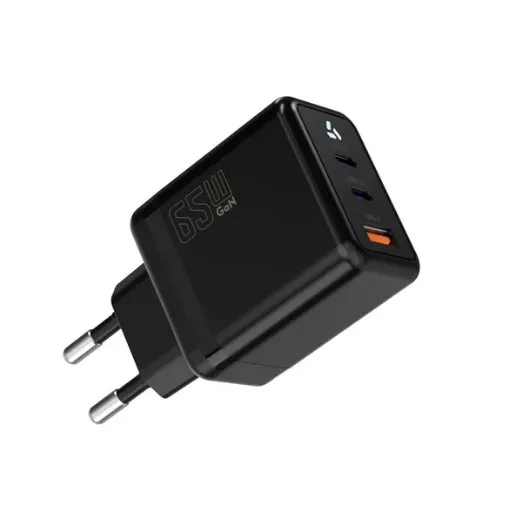
The right C-rate depends on what the product does and where it charges.
E-Bikes and Electric Scooters
Most end users charge overnight or at work. A 0.3C charger fills a 20Ah pack in roughly three and a half hours. That is fast enough for daily use and gentle enough to preserve the 2,000+ cycle life LiFePO4 promises. Fleet operators who need faster turnaround should use cell chemistries explicitly rated for 1C or higher, not just bigger chargers. See our guide on how to choose the right e-bike charger for brand-specific selection criteria.
Consumer Electronics and IoT
Routers, security cameras, and handheld devices often use smaller Li-ion packs. Fast charging here is less about C-rate and more about precise voltage control. A 5V 2A adapter charging a 2,000mAh pack is effectively 1C. The charger must hold voltage within tight tolerance and terminate cleanly to avoid trickle charging damage.
Energy Storage Systems
Home and commercial storage batteries are usually charged by solar controllers or grid-tied inverters. Fast charging is less common because the charge window is long. The priority is maximizing cycle life, which favors lower C-rates and accurate CC-CV control.
What Anenerge Recommends
After building chargers for e-mobility, IoT, and industrial brands since 2008, our recommendation is simple: fast charging should be a deliberate system decision, not a charger-only decision.
When you work with Anenerge on a custom charger, our engineering team starts with your cell datasheet. We propose a CC-CV profile, current rating, and temperature compensation strategy matched to your pack and your end user's charging environment. Samples ship within two weeks, and every production unit passes 100% functional and high-voltage isolation testing.
If you need shorter charge times, we will design for them. But we will not do it by ignoring cell limits. Our OEM/ODM services let brand owners co-develop chargers that balance speed, cycle life, and certification from day one.
Get an OEM quote for a charger matched to your battery chemistry.
Conclusion
So, does fast charging damage battery life? It can, when current outruns the cell's thermal and electrochemical limits. The damage shows up as lithium plating, SEI growth, electrolyte breakdown, and shortened cycle life. But fast charging is not automatically bad. With the right cell chemistry, a matched CC-CV profile, temperature monitoring, and a charger spec grounded in the cell datasheet, it becomes a reliable product feature.
Key takeaways for OEM buyers:
Define fast charging by C-rate, not marketing labels.
Li-ion is more sensitive to fast charging than LiFePO4; lead-acid is the least tolerant.
Heat is the main driver of fast charging battery damage.
Always match the charger profile to the cell manufacturer's charge specification.
Include temperature compensation for outdoor or high-duty-cycle products.
Run cycle-life tests before production, not after the first warranty claim.
The brands that win on battery reliability are not the ones with the biggest chargers. They are the ones with the most carefully matched chargers. If you are specifying chargers for your next product, send us your cell spec and charge-time target. We will return a proposed profile and sample timeline within 24 hours.
Recently Posted
-
Why Is My Phone Charging Slowly? Causes and Fixes
June 22, 2026At 7:45 a.m., Maya plugged her phone into the charger she grabbed from the hotel nightstand. By 8:30, the battery had climbed from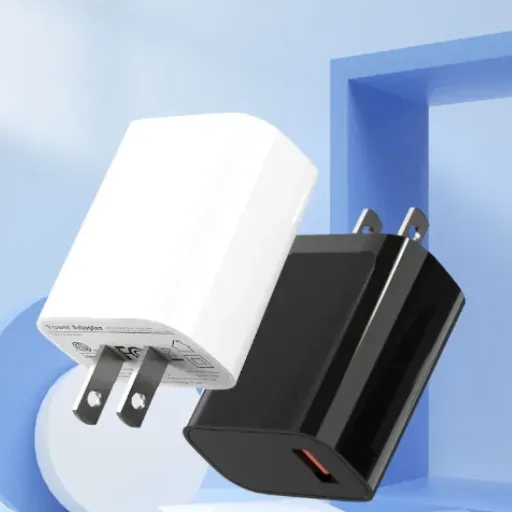 Read More
 -
Fast Charging vs Normal Charging: OEM Engineering Guide
June 22, 2026Last year, a European e-bike brand shipped 5,000 units with a 4A fast charger as a premium upgrade. Six months later, their warran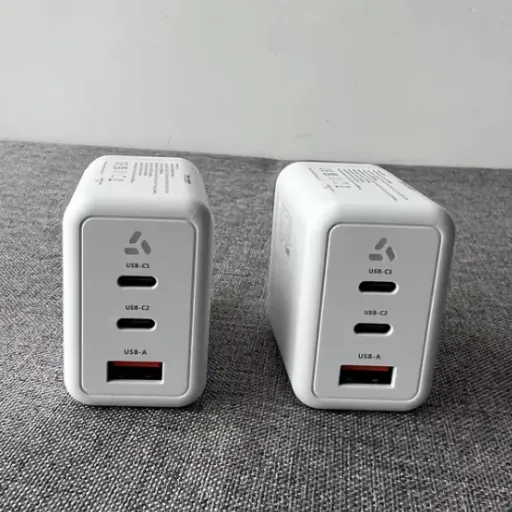 Read More
 -
How to Make Charging Faster: A Technical Guide for OEM Brand Owners
June 22, 2026When Elena, product manager at a Rotterdam e-bike brand, launched her 48V commuter line in spring 2026, she thought 6 hours on a s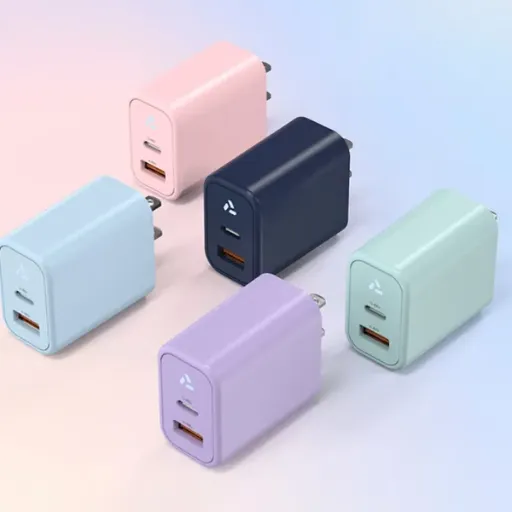 Read More
 -
How Does Fast Charging Work? An Engineer's Guide for OEM Buyers
June 22, 2026When Chen, a power engineer at a Shenzhen e-mobility startup, first specced a fast charger for their 48V e-scooter, he assumed the Read More

Contact Us
Recommended Products
-
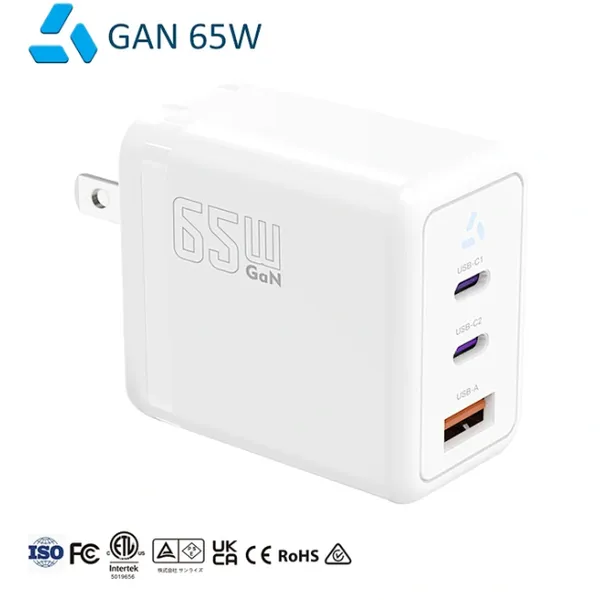
 65W USB-C GaN Wall Charger PD Fast Charging Adapter EU US Plug for Laptop Smartphone and TravelUS$ 6MOQ: 100 Pieces
 -
45W GaN USB-C Fast Charger JP Plug PD Wall Charging Adapter for IPhone MacBook and TabletsUS$ 8MOQ: 100 Pieces
-
QC3.0 30W USB Fast Charger With 18W Quick Charge Wall Adapter for Android and Mobile DevicesUS$ 4MOQ: 100 Pieces
-
Compact 18W Quick Charge 3.0 USB Charger 30W Fast Charging Adapter EU US Plug for TravelUS$ 2MOQ: 100 Pieces
-
30W USB-C and USB-A PD Fast Charger Compact Wall Adapter for IPhone Samsung and IPadUS$ 3MOQ: 100 Pieces
-
35W Dual USB-C PD Charger Fast Charging Adapter for IPhone Samsung IPad and USB-C DevicesUS$ 3MOQ: 100 Pieces
-
65W USB-C GaN Charger EU Plug Fast Charging Adapter 65W USB-C PD Fast Charge Wall Charger Power Adapter for Macbook ProUS$ 5MOQ: 100 Pieces
-
65W GaN USB-C Fast Charger PD Wall Charging Adapter for Laptop IPhone and Mobile DevicesUS$ 5MOQ: 100 Pieces
-
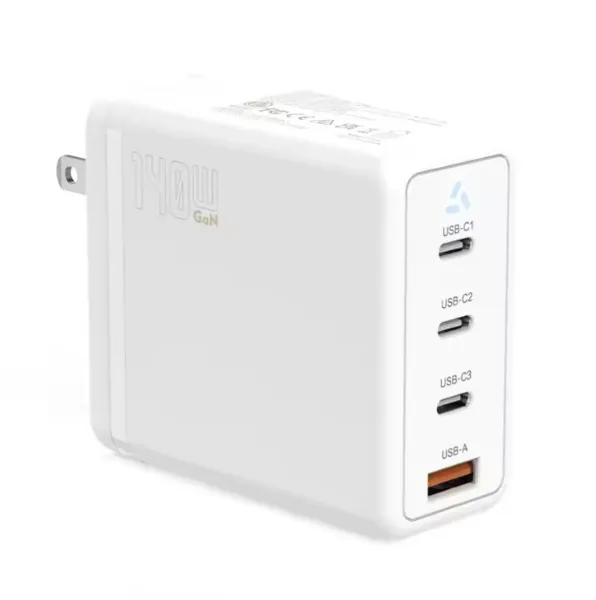
100W GaN USB-C Fast Charger With PD 3.0 for Laptop, MacBook, IPhone & Multi-Device ChargingUS$ 12MOQ: 100 Pieces
-
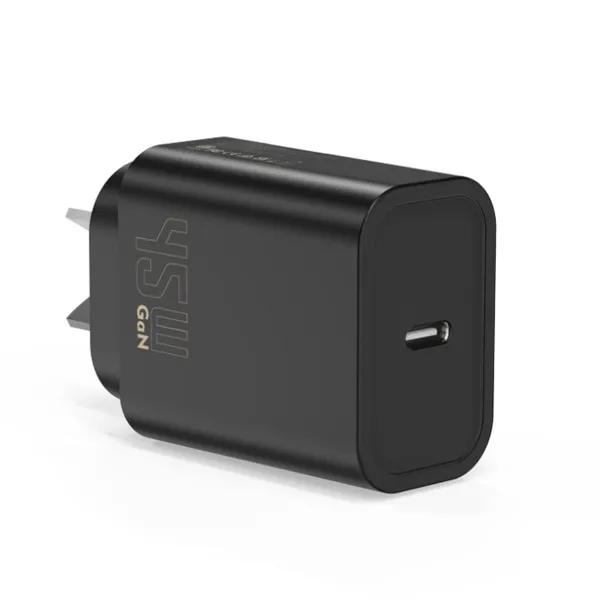
45W GaN USB-C Fast Charger EU AU PD Fast Wall Charging Adapter for IPhone Tablets With CE REACH PassedUS$ 8MOQ: 100 Pieces
-
QC3.0 65W GaN USB C Super Fast Charger With UKCA 3 Ports PD 3.0 GaN Charger for Iphone Macbook SamsungUS$ 10MOQ: 100 Pieces
-
30W USB-C and USB-A GaN QC3.0 Fast Charging Adapter PD Fast Charger Compact Wall Adapter for IPhone Samsung and IPadUS$ 3MOQ: 100 Pieces
-
45W GaN USB-C Fast Charger With Dual Type-C and USB-A Ports PD Wall Charging AdapterUS$ 8MOQ: 100 Pieces
-
Dual USB C Ports QC3.0 30W Fast Charger With EU UK AU US USB-C PD Wall Chargeer 30W PD Power AdapterUS$ 3MOQ: 100 Pieces
-
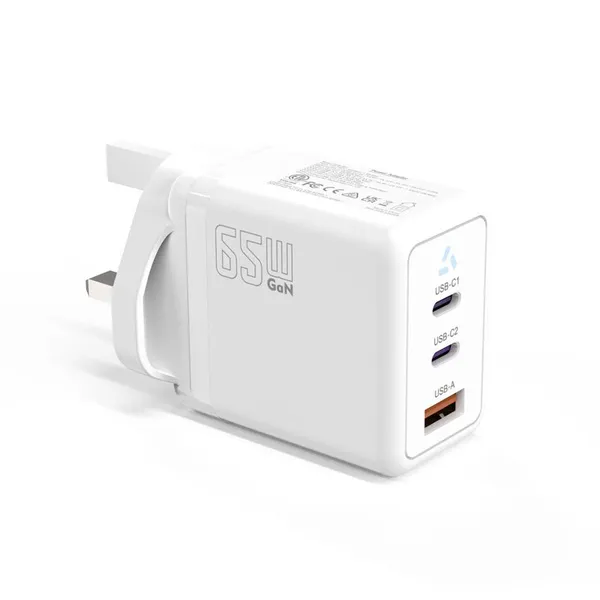
Compact 65W GaN USB-C Wall Charger With Dual USB-C Ports and USB-A Fast Charging Adapter With CE UKCA ETL SAAUS$ 10MOQ: 100 Pieces
-
QC3.0 Fast Charging Adapter PD30W USB-C USB-A GaN PD Fast Charger PD 3.0 GaN Charger Compact Wall Adapter for IPhone Samsung and IPadUS$ 3MOQ: 100 Pieces
-
12V 5A 60W US EU AC DC Adapter LED Driver LED SMPS AC to DC Switching Power SupplyUS$ 5 - 7MOQ: 50 Pieces
-
CE FCC CUL SAA KC PSE 24Vdc 48W Switching Power Supply AdaptersUS$ 5 - 7MOQ: 50 Pieces
-
CE GS UKCA SAA CUL Qualified Waterproof Switching Power Supply Ip68 PSE UL SAA GS 12V 2AUS$ 3 - 6MOQ: 50 Pieces
-
12V 1A Factory OEM Waterproof AC Adapter for Laser Light Table Lamp ac dc Adaptor With TUV CE GS for EU MarketUS$ 5 - 7MOQ: 50 Pieces