
 Business License
What Is a GaN Charger? A Buyer’s Guide to Gallium Nitride Power Adapters
In 2024, Maria Chen’s team at a Shenzhen router OEM received a blunt message from their largest U.S. distributor: shrink the power adapter by 30% or lose shelf space. Their existing 65W silicon adapter worked fine electrically, but the brick was too bulky for the new retail box. After switching to a 65W GaN charger platform, the adapter dropped from 140 cc to 85 cc, passed DOE Level VI without redesign, and the product stayed in the lineup.
That is the practical difference gallium nitride makes. A GaN charger is not just a faster charger. It is a power adapter built around gallium nitride transistors instead of traditional silicon MOSFETs, which allows higher switching frequency, lower heat, and smaller magnetics in the same wattage class.
This guide explains what a GaN charger is, how it differs from silicon, where the technology matters most for OEM products, and what procurement engineers should specify before placing a production order.
How GaN Charger Technology Actually Works

A GaN charger (also called a gallium nitride charger) replaces the silicon MOSFETs in a conventional switching power supply with gallium nitride transistors. GaN is a wide-bandgap semiconductor. Compared with silicon, it can switch at higher frequencies, withstand higher voltages, and lose less energy as heat during each switching cycle.
In a conventional switching power supply, the transistors turn on and off tens of thousands of times per second. Each transition wastes a small amount of energy. At higher frequencies, the transformer and filtering components can be smaller, but silicon devices become inefficient and hot above a certain point. GaN transistors push that point much higher.
What this means for a finished GaN power adapter:
Smaller size: Higher switching frequency means a smaller transformer and fewer passive components.
Less heat: Lower switching and conduction losses keep the case cooler.
Higher power density: More watts per cubic centimeter, without a louder fan or bigger enclosure.
Better efficiency: Many GaN adapters exceed 92% at full load, which helps meet DOE Level VI and ErP Tier V margins.
A 65W GaN charger can be roughly 40% smaller than an equivalent silicon adapter while delivering the same output. That is why laptop, router, and IoT OEMs have moved so quickly to GaN platforms.
GaN vs Silicon: The Physics in Plain English
The GaN vs silicon charger comparison starts at the atomic level. Silicon has a narrower bandgap, so electrons move more easily but also leak more energy as heat. Gallium nitride has a wider bandgap, so it holds voltage better and switches faster with lower losses.
For buyers, the comparison looks like this:
| Parameter | Silicon MOSFET Adapter | GaN Charger |
|---|---|---|
| Typical switching frequency | 50–100 kHz | 200 kHz–1 MHz+ |
| Efficiency at 65W full load | 88–90% | 91–94% |
| Relative size at same wattage | 100% (baseline) | 55–70% |
| Heat generation at full load | Higher | Lower |
| Cost at high volume | Lower historically | Approaching parity |
| Maturity for USB-PD fast charging | Proven | Now mainstream |
Silicon still dominates very low-cost, low-wattage adapters where size is not a constraint. But in 20W–240W adapters where enclosure volume, thermal performance, or efficiency margins matter, GaN is now the default choice for most major OEMs.
The cost gap has also narrowed. Five years ago, GaN chips cost several times more than silicon. Today, at 10,000-unit volumes, the BOM premium for a GaN-based 65W USB-C PD adapter is often under 15%. The savings in shipping volume, packaging, and customer satisfaction usually offset that premium.
Key Benefits of GaN Chargers for OEM Products
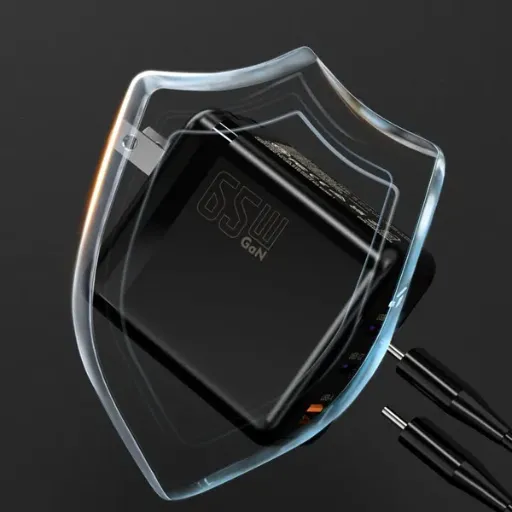
OEM buyers do not switch to GaN because the chemistry is interesting. They switch because it solves four real problems:
1. Smaller Enclosures
A compact GaN charger lets product teams reduce retail box size, fit more units per carton, or hide the adapter inside a smaller product housing. For a brand shipping 100,000 units, a 30% smaller adapter can remove several pallet positions per container.
2. Lower Thermal Load
Less heat means simpler thermal management, fewer returns due to overheating, and longer service life for adjacent components. In sealed enclosures with no fan, this is a major advantage.
3. Higher Efficiency Margins
Meeting DOE Level VI or ErP Tier V is easier when the base design starts at 92% efficiency rather than 88%. Higher efficiency also helps brands publish lower energy-loss figures on datasheets and sustainability reports.
4. Faster Charging Protocols
GaN’s speed pairs naturally with USB Power Delivery (USB-PD) and Qualcomm Quick Charge. A 65W USB-C GaN charger can act as a fast GaN charger for a laptop, tablet, and phone from one port without the size penalty of older multi-port silicon bricks.
When Marcus launched his e-bike accessory brand in early 2025, he bundled a 45W silicon charger with each phone mount kit. The charger worked, but the thick brick raised shipping costs and looked dated next to competitors. After moving to a 45W GaN charger, the box shrank by 25%, the DDP landed cost dropped by $0.40 per unit, and customer reviews specifically praised the “compact premium adapter.” The switch paid for itself in under one production run.
Common GaN Charger Form Factors and Power Levels
GaN chargers appear across the same form factors as traditional adapters, but the size reduction is most visible at higher wattages:
| Power Level | Typical Outputs | Common Form Factor | OEM Applications |
|---|---|---|---|
| 20–30W | 5V, 9V, 12V | Wall-mount cube | Phones, earbuds, small IoT |
| 45–65W | 5V–20V USB-C PD | Compact wall or desktop | Laptops, tablets, routers |
| 90–120W | 20V USB-C PD, proprietary | Desktop brick | Gaming laptops, workstations |
| 150–240W | 20V–48V multi-output | Enclosed industrial | Industrial equipment, monitors |
Most consumer-facing GaN chargers today are 20W, 30W, 45W, 65W, or 100W USB-C PD units. The 65W GaN charger has become the sweet spot for laptop replacement and multi-device hubs.
For B2B buyers, the important question is not “what wattage is trending?” but “what wattage and voltage profile does my product actually need?” A 65W GaN charger feeding a laptop needs a different output curve than a 24V GaN adapter feeding a small industrial controller.
Applications: Where GaN Chargers Deliver the Most Value
GaN is not necessary for every adapter, but it is the right choice when at least one of these conditions is true:
Portability matters: Laptops, tablets, travel routers, and mobile accessories benefit from the smaller size.
Thermal constraints are tight: Sealed outdoor enclosures, cameras, and IoT gateways run cooler with GaN.
Multi-port fast charging is required: A single GaN charger can split 100W across two or three USB-C ports efficiently.
Efficiency certification is critical: DOE Level VI, ENERGY STAR Level V, and ErP Tier V are easier to hit with GaN’s efficiency headroom.
Shipping volume drives cost: Smaller adapters mean more units per carton and lower freight per unit.
James, a product manager at a security camera OEM in Los Angeles, learned this the hard way. His team specified a 24V 2A silicon adapter for a new outdoor camera line. During field trials in Arizona, summer enclosure temperatures hit 68°C and the adapters browned out. Switching to a 24V GaN adapter cut internal temperature rise by 8°C, eliminated the field failures, and kept the same 2-year warranty. The GaN BOM premium was recovered by avoiding a single warranty return per thousand units.
What to Specify When Sourcing a GaN Charger
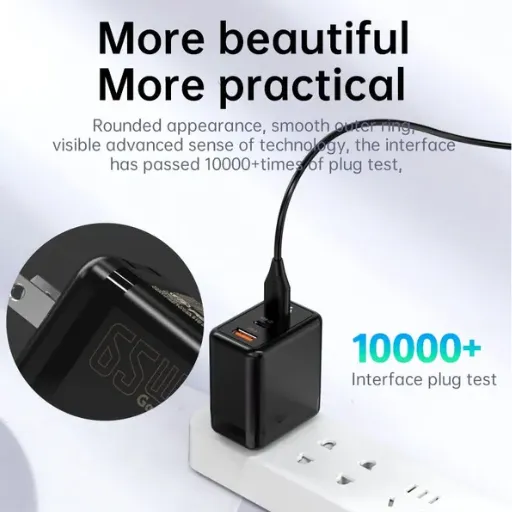
Sourcing a GaN charger is similar to sourcing any switching power adapter, but a few details deserve extra attention:
1. Output Voltage and Current Profile
Define the exact voltage rails and current your product needs. For USB-PD chargers, specify the PDO (Power Delivery Object) profile. For non-PD adapters, specify the steady-state voltage, ripple tolerance, and peak current.
2. Power Density Target
Ask for the physical size up front. A 65W GaN charger can range from 60 cc to 120 cc depending on casing, plug type, and thermal design. Do not assume all GaN chargers are equally small.
3. Thermal Performance
Request operating temperature range and full-load temperature rise data. GaN runs cooler than silicon, but a poorly designed enclosure can still overheat.
4. Efficiency at Multiple Load Points
For DOE Level VI compliance, efficiency matters at 25%, 50%, 75%, and 100% load. Ask for test data at all four points, not just full load.
5. EMI and Noise
Higher switching frequency can create more electromagnetic interference if the layout is poor. Verify the supplier has EMI pre-compliance data for your target markets.
6. Connector and Cable
USB-C PD chargers need correct CC line termination and E-marker cable support at 60W+. For non-USB applications, specify DC plug size, polarity, and cable length.
7. Sample Validation Plan
Always validate a GaN charger sample in your actual product enclosure. Efficiency and thermal numbers from an open bench do not always match real-world conditions.
Certifications and Efficiency Standards for GaN Adapters
GaN technology does not exempt a charger from regulatory requirements. A GaN charger sold in global markets still needs the same safety and efficiency certifications as a silicon adapter:
Safety: UL 62368-1 (U.S.), CE/EN 62368-1 (EU), UKCA (UK), SAA (Australia), CCC (China), CB Scheme (international)
EMC: FCC Part 15 (U.S.), EN 55032/35 (EU), CISPR 32
Efficiency: DOE Level VI (U.S.), ErP Tier V (EU), ENERGY STAR Level V where applicable
Environmental: RoHS, REACH, PAHs
GaN’s efficiency advantage makes it easier to pass efficiency standards, but the test report still needs to reference the exact model number you will import. Do not accept a report from a previous silicon design as proof for a GaN design.
For U.S. market entry, review the DOE external power supply standards at the U.S. Department of Energy. For USB-PD protocol details, the USB Implementers Forum publishes the relevant specifications.
Lisa, a procurement engineer at a U.K. smart-home brand, almost learned this lesson too late. Her supplier claimed a new 30W GaN charger was “CE ready” because the older silicon version had a CE certificate. The GaN design used a different transformer and layout, so the existing EMC report did not cover it. A pre-shipment third-party test caught the issue before the container left Shenzhen. The delay cost three weeks, but it avoided a customs rejection at Felixstowe. Since then, she requires a current test report matching the exact model number on every PO.
Common Mistakes When Buying GaN Chargers
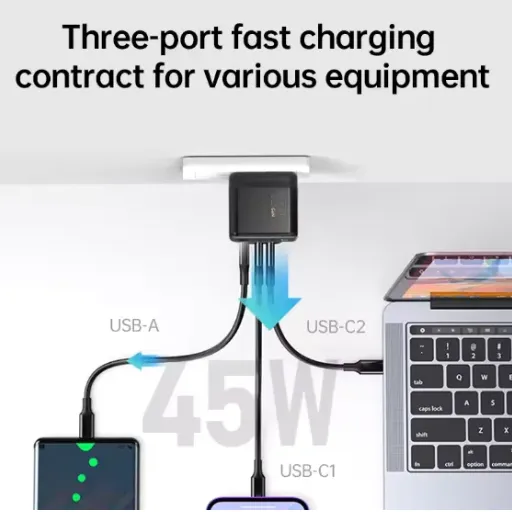
After several years of GaN adapter production, we see the same specification errors repeat:
Mistake 1: Assuming all GaN chargers run cool. Thermal design still matters. A cheap GaN charger in a cramped enclosure can run hotter than a well-designed silicon adapter.
Mistake 2: Ignoring no-load power. Some GaN adapters excel at full load but draw more standby power than expected. Verify no-load watts for DOE Level VI.
Mistake 3: Specifying USB-PD without checking cable compatibility. At 60W and above, the cable must support 5A current. The charger and cable must be validated together.
Mistake 4: Treating GaN as a marketing label. Not every adapter labeled “GaN” uses high-quality GaN transistors or a well-optimized design. Request efficiency data and thermal images.
Mistake 5: Skipping production sampling. GaN designs are more sensitive to transformer quality and PCB layout than silicon. A golden sample may perform differently from production units if QC is weak.
How Anenerge Approaches GaN Charger Manufacturing
We build GaN chargers across the 20W–240W range for laptop, router, IoT, security, and industrial OEMs. Our OEM/ODM services cover custom voltage, current, connector, labeling, and packaging requirements. Our standard process mirrors what we use for LiFePO4 and AC/DC adapter programs:
Collect your voltage, current, connector, and enclosure requirements
Propose a GaN topology and share the efficiency curve
Build engineering samples within two weeks
Run thermal and EMI pre-compliance testing in our lab
Validate against your product before production release
Ship with current certification documents and 100% functional test on every unit
Our GaN adapter platform supports USB-C PD, Quick Charge, and fixed-output DC configurations. All designs target DOE Level VI and ErP Tier V efficiency out of the box, with the test reports to match.
If you are evaluating a GaN charger platform for your next product, the next step is to share your spec and compare sample efficiency data side by side with your current silicon adapter.
Conclusion: Is a GaN Charger Right for Your Product?
A GaN charger is a gallium nitride-based power adapter that delivers the same or higher wattage in a smaller package, with less heat and better efficiency than traditional silicon designs. For OEMs, the value is not just the smaller brick. It is lower freight cost, easier thermal management, simpler compliance with efficiency standards, and a product that feels more modern in the end user’s hands.
Key takeaways:
GaN transistors switch faster and lose less energy than silicon MOSFETs.
A 65W GaN charger is typically 30–45% smaller than an equivalent silicon adapter.
GaN pairs well with USB-PD and multi-port fast charging protocols.
Efficiency advantages help meet DOE Level VI, ErP Tier V, and ENERGY STAR requirements.
Always validate samples in your real product enclosure and confirm certification reports match the exact model number.
If you are sourcing an AC/DC adapter or USB-C fast charger for laptops, routers, IoT devices, or industrial equipment, request a free GaN charger sample from Anenerge. Our engineering team will share the efficiency curve and certification stack within 24 hours so you can compare GaN against your current adapter with real data.
Recently Posted
-
Why Is My Phone Charging Slowly? Causes and Fixes
June 22, 2026At 7:45 a.m., Maya plugged her phone into the charger she grabbed from the hotel nightstand. By 8:30, the battery had climbed from Read More
 -
Fast Charging vs Normal Charging: OEM Engineering Guide
June 22, 2026Last year, a European e-bike brand shipped 5,000 units with a 4A fast charger as a premium upgrade. Six months later, their warran Read More
 -
How to Make Charging Faster: A Technical Guide for OEM Brand Owners
June 22, 2026When Elena, product manager at a Rotterdam e-bike brand, launched her 48V commuter line in spring 2026, she thought 6 hours on a s Read More
 -
Does Fast Charging Damage Battery? What OEM Buyers Need to Know
June 22, 2026Yes, fast charging can damage batteries when current exceeds the cell's thermal and electrochemical limits. The damage shows u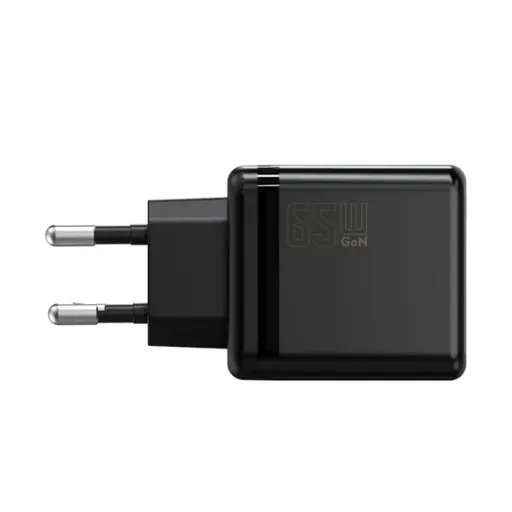 Read More

Contact Us
Recommended Products
-
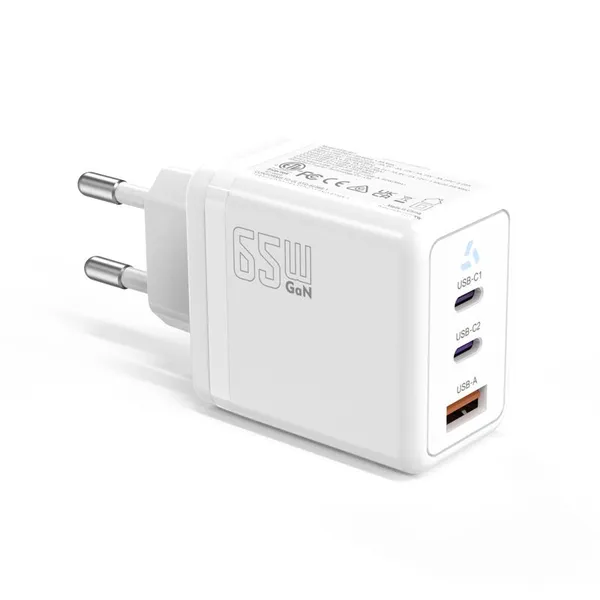
 65W USB-C GaN Wall Charger PD Fast Charging Adapter EU US Plug for Laptop Smartphone and TravelUS$ 6MOQ: 100 Pieces
 -
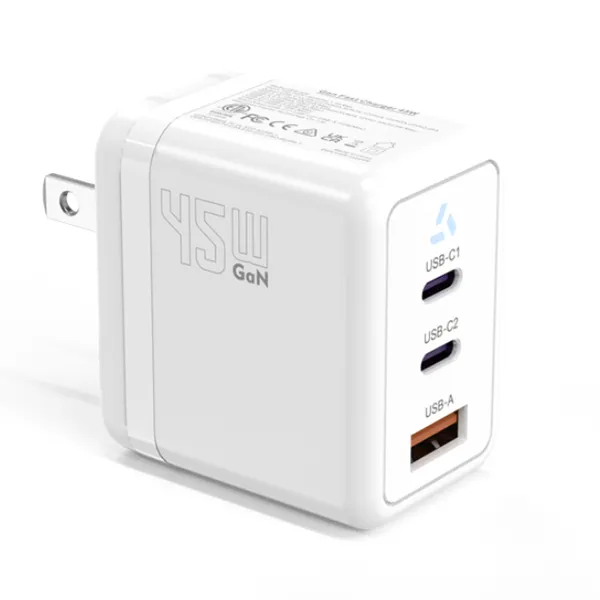
45W GaN USB-C Fast Charger JP Plug PD Wall Charging Adapter for IPhone MacBook and TabletsUS$ 8MOQ: 100 Pieces
-
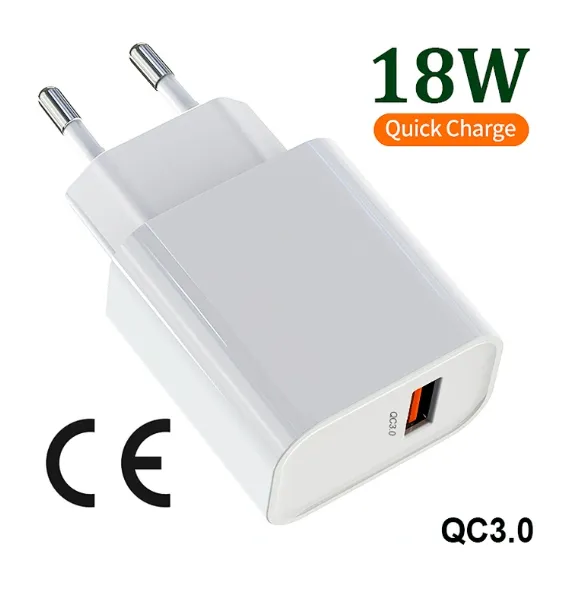
QC3.0 30W USB Fast Charger With 18W Quick Charge Wall Adapter for Android and Mobile DevicesUS$ 4MOQ: 100 Pieces
-
Compact 18W Quick Charge 3.0 USB Charger 30W Fast Charging Adapter EU US Plug for TravelUS$ 2MOQ: 100 Pieces
-
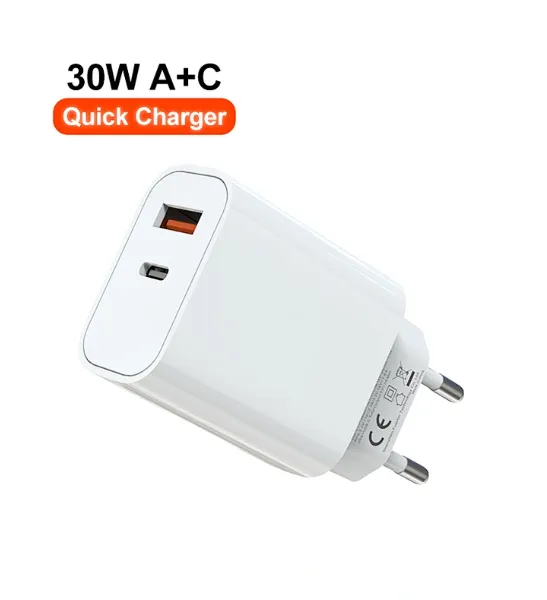
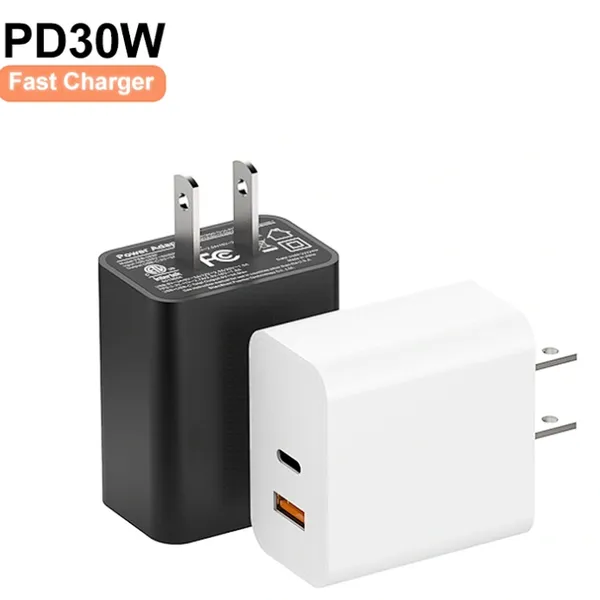
30W USB-C and USB-A PD Fast Charger Compact Wall Adapter for IPhone Samsung and IPadUS$ 3MOQ: 100 Pieces
-
35W Dual USB-C PD Charger Fast Charging Adapter for IPhone Samsung IPad and USB-C DevicesUS$ 3MOQ: 100 Pieces
-
65W USB-C GaN Charger EU Plug Fast Charging Adapter 65W USB-C PD Fast Charge Wall Charger Power Adapter for Macbook ProUS$ 5MOQ: 100 Pieces
-
65W GaN USB-C Fast Charger PD Wall Charging Adapter for Laptop IPhone and Mobile DevicesUS$ 5MOQ: 100 Pieces
-
100W GaN USB-C Fast Charger With PD 3.0 for Laptop, MacBook, IPhone & Multi-Device ChargingUS$ 12MOQ: 100 Pieces
-
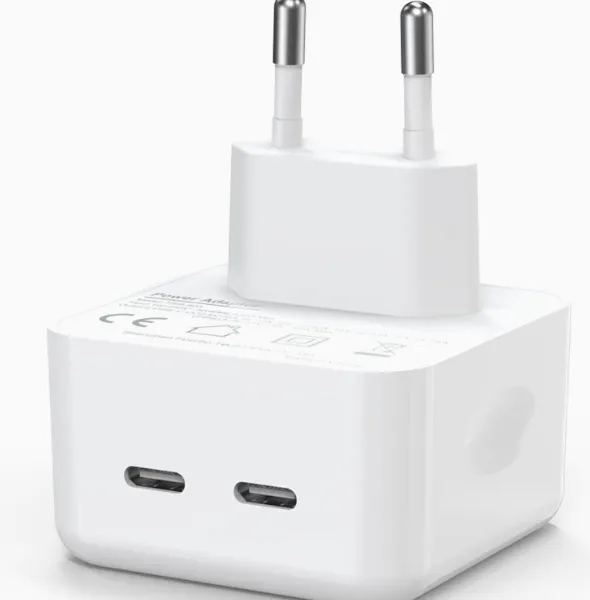
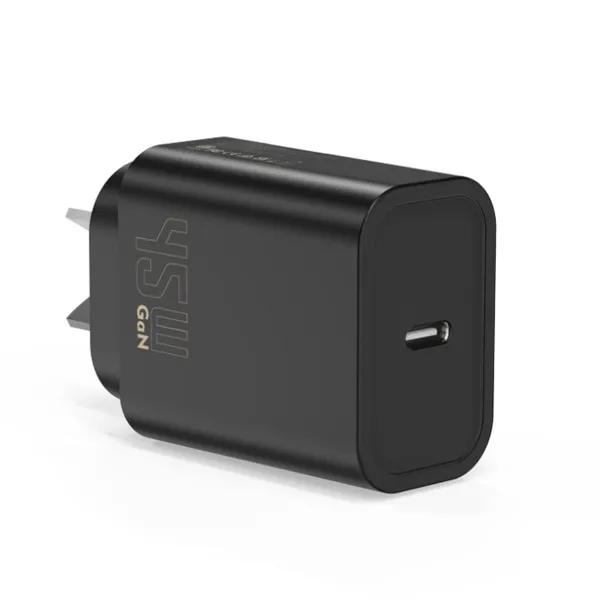
45W GaN USB-C Fast Charger EU AU PD Fast Wall Charging Adapter for IPhone Tablets With CE REACH PassedUS$ 8MOQ: 100 Pieces
-
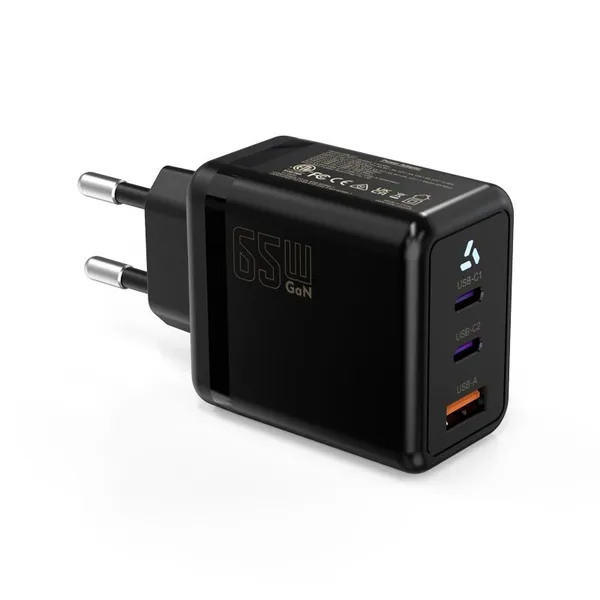
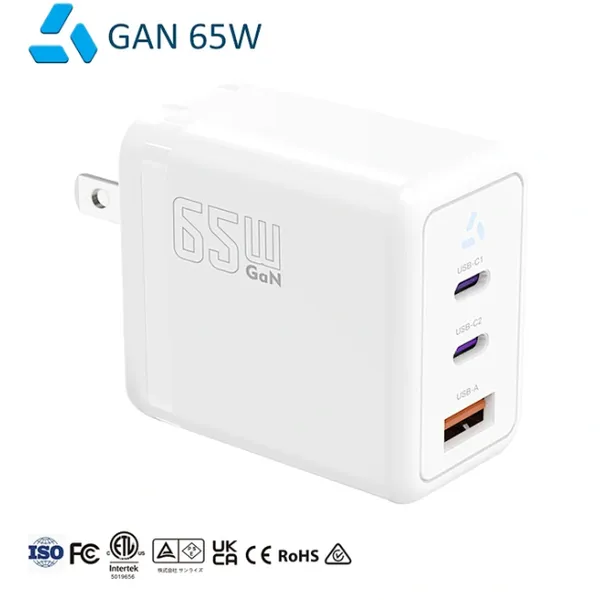
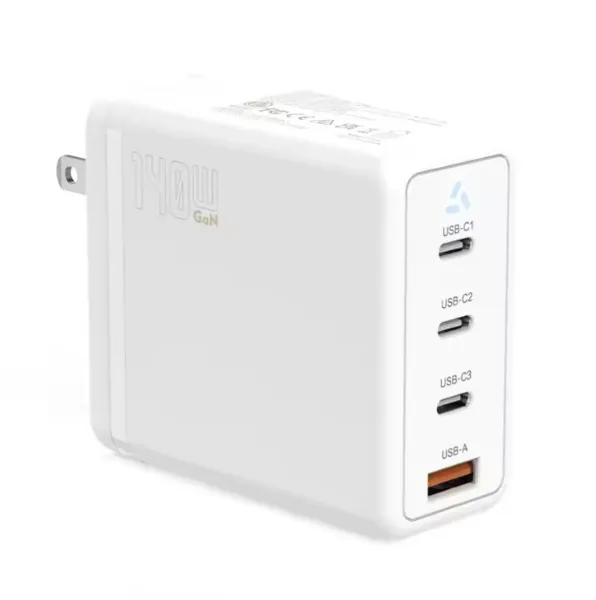
QC3.0 65W GaN USB C Super Fast Charger With UKCA 3 Ports PD 3.0 GaN Charger for Iphone Macbook SamsungUS$ 10MOQ: 100 Pieces
-
30W USB-C and USB-A GaN QC3.0 Fast Charging Adapter PD Fast Charger Compact Wall Adapter for IPhone Samsung and IPadUS$ 3MOQ: 100 Pieces
-
45W GaN USB-C Fast Charger With Dual Type-C and USB-A Ports PD Wall Charging AdapterUS$ 8MOQ: 100 Pieces
-
Dual USB C Ports QC3.0 30W Fast Charger With EU UK AU US USB-C PD Wall Chargeer 30W PD Power AdapterUS$ 3MOQ: 100 Pieces
-
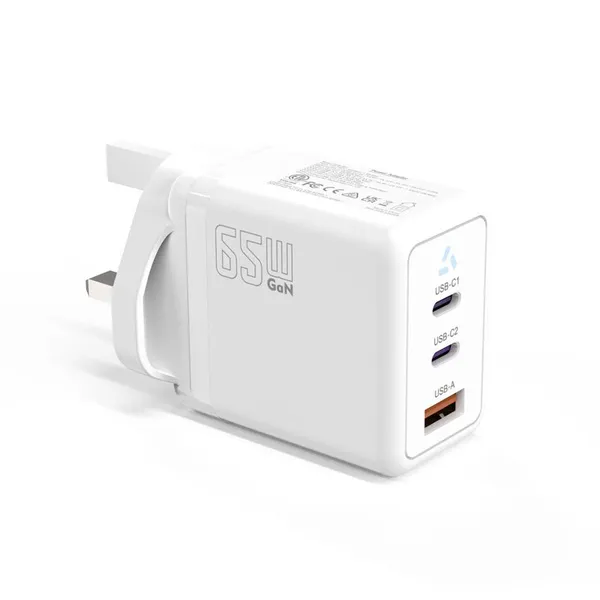
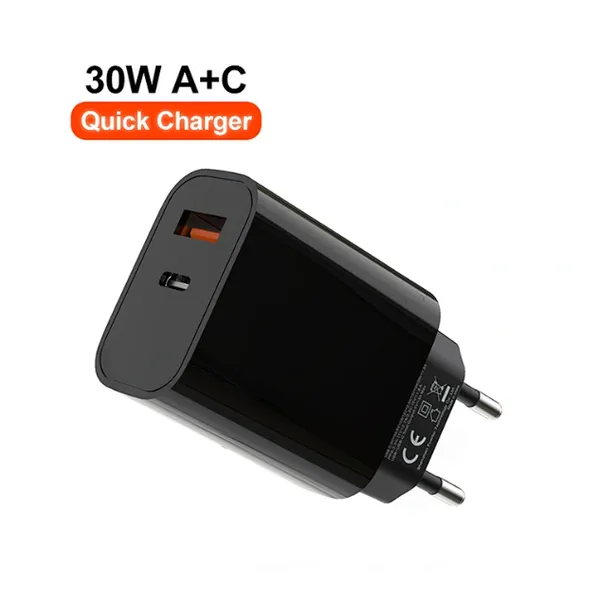
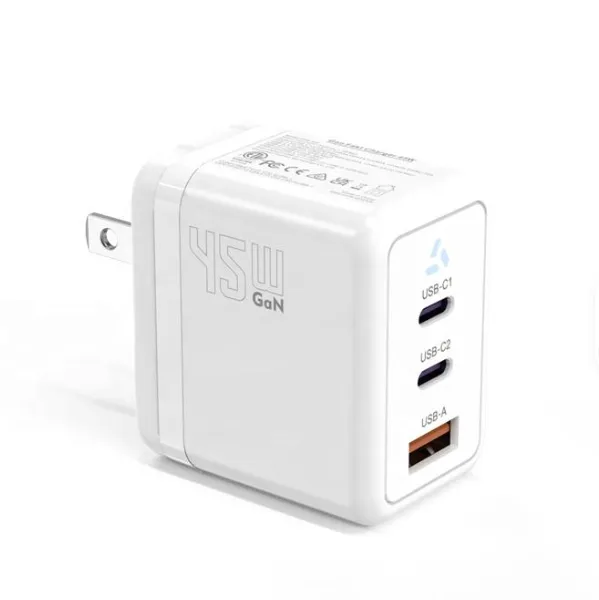
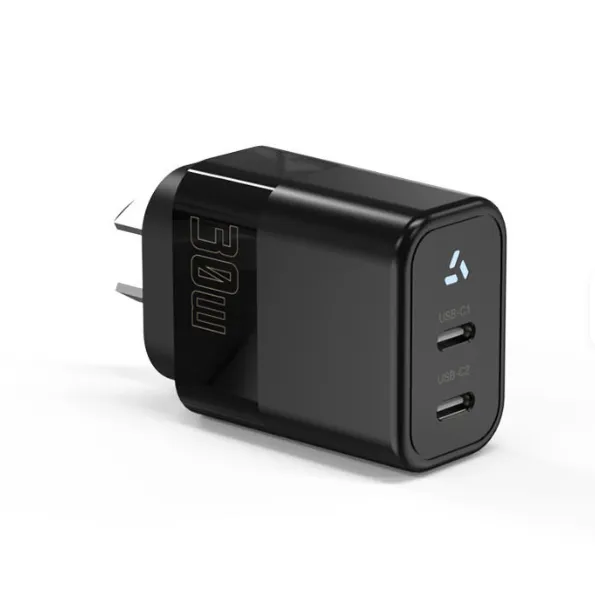
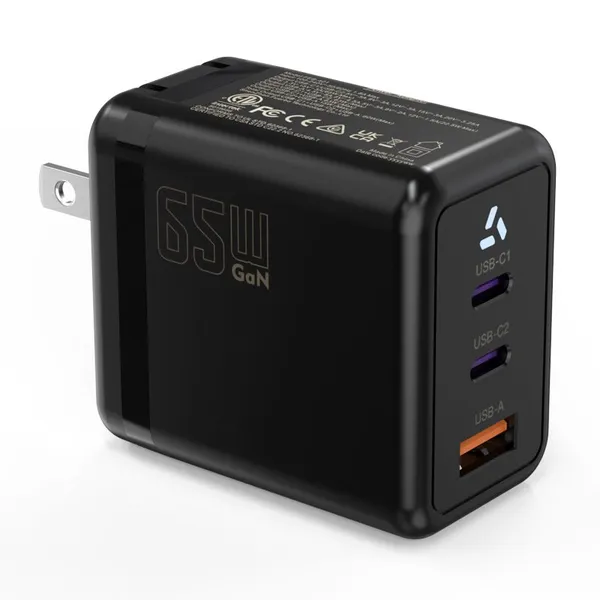
Compact 65W GaN USB-C Wall Charger With Dual USB-C Ports and USB-A Fast Charging Adapter With CE UKCA ETL SAAUS$ 10MOQ: 100 Pieces
-
QC3.0 Fast Charging Adapter PD30W USB-C USB-A GaN PD Fast Charger PD 3.0 GaN Charger Compact Wall Adapter for IPhone Samsung and IPadUS$ 3MOQ: 100 Pieces
-
12V 5A 60W US EU AC DC Adapter LED Driver LED SMPS AC to DC Switching Power SupplyUS$ 5 - 7MOQ: 50 Pieces
-
CE FCC CUL SAA KC PSE 24Vdc 48W Switching Power Supply AdaptersUS$ 5 - 7MOQ: 50 Pieces
-
CE GS UKCA SAA CUL Qualified Waterproof Switching Power Supply Ip68 PSE UL SAA GS 12V 2AUS$ 3 - 6MOQ: 50 Pieces
-
12V 1A Factory OEM Waterproof AC Adapter for Laser Light Table Lamp ac dc Adaptor With TUV CE GS for EU MarketUS$ 5 - 7MOQ: 50 Pieces