
 Business License
What Is Power Delivery? Understanding Energy Transfer in Modern Electronics
When Ravi Patel, a hardware engineer at a consumer electronics firm in Mumbai, received the first production samples of his team's new tablet dock, the power delivery numbers looked perfect on paper. The dock was rated for 60W output. The adapter was rated for 65W. The cable was USB-C.
What could go wrong? Everything, as it turned out. The cable supported only 3A current, not the 5A needed for 20V/3A delivery. The dock negotiated 20V but the cable couldn't carry the load. Voltage sagged, the tablet charged erratically, and the first 2,000 units sat in a warehouse while the team redesigned the cable BOM. The lesson cost $34,000 and a missed Diwali sales window.
Power delivery is the invisible backbone of every electronic product. When it works, nobody notices. When it fails, the entire product fails. For OEM buyers, procurement engineers, and product managers, understanding what power delivery actually means, and how to specify it correctly, is the difference between products that ship smoothly and products that sit in warehouses.
This guide explains what power delivery is, how modern power delivery systems work, the protocols that govern them, and what OEM buyers need to verify before placing production orders. It draws on Anenerge's experience shipping 15 million switching power supplies annually to brands in Europe, the Americas, the Middle East, and Southeast Asia.
What power delivery means in electronics
Power delivery, in simple terms, is the controlled transfer of electrical energy from a source to a load. It is not just about voltage and current. It is about matching the source's capability to the load's requirement, maintaining stability under varying conditions, and doing so safely and efficiently.
A power delivery system has four core components:
Source: The power supply or adapter that generates electrical energy (e. g., a 65W AC/DC adapter)
Transmission path: The cable, PCB traces, and connectors that carry the energy
Control system: The regulation and feedback mechanisms that maintain stable output
Load: The device that consumes the power (e. g., a tablet, e-bike battery, or security camera)
Each component must be matched. A 100W adapter cannot deliver 100W through a cable rated for 60W. A charger may output 54.6V, but if the connector resistance is too high, the voltage at the battery terminals will be lower.
The battery will not charge fully. Power delivery is a system problem, not a component problem.
Pro tip: When specifying a power delivery system, always state the power requirement at the load, not at the source. Account for cable losses, connector resistance, and temperature derating in your specification.
The difference between power delivery and power generation
Power generation creates electrical energy. Power delivery moves it to where it is needed, in the form needed, at the quality needed. A solar panel generates energy. A charge controller and battery management system deliver it to a LiFePO4 pack at the correct voltage, current, and profile. The delivery layer is where most field failures originate, not the generation layer.
How power delivery systems work
At the core of every power delivery system is a regulation loop. The system measures output voltage (and sometimes current), compares it to a reference, and adjusts the power stage to maintain the target. This happens thousands of times per second.
Voltage regulation: the foundation of power delivery
A switching power supply, the most common type in modern electronics, converts AC mains voltage to a regulated DC output through high-frequency switching. The basic process:
Rectification: AC input is converted to pulsating DC
Filtering: Capacitors smooth the pulsating DC
High-frequency switching: A MOSFET switches the DC at 50–150 kHz
Transformer isolation: The high-frequency AC passes through a transformer, stepping voltage up or down
Secondary rectification and filtering: The output is rectified and smoothed to clean DC
Feedback control: The output voltage is sampled and fed back to adjust the switching duty cycle
This feedback loop is what makes power delivery stable. When the load suddenly draws more current, for example, when a laptop CPU boosts to maximum frequency, the feedback loop detects the voltage dip and increases power transfer within microseconds.
Current limiting and protection
Power delivery is not just about providing power. It is also about protecting the system when something goes wrong. Production-grade power delivery systems include:
Over-voltage protection (OVP): Shuts down if output exceeds safe limits
Over-current protection (OCP): Limits or shuts down if current exceeds rated values
Short-circuit protection (SCP): Detects and shuts down on shorted outputs
Over-temperature protection (OTP): Reduces power or shuts down if internal temperature is too high
Isolation: Separates high-voltage primary from low-voltage secondary (3KVAC is standard)
These protections are mandatory for safety certifications like UL, CE, and CCC. They are not optional add-ons. They are the baseline that separates production-grade power delivery from hobby-grade designs.
Common power delivery protocols and standards
Not all power delivery is the same. Different applications use different protocols to negotiate, control, and optimize power transfer. Understanding which protocol your product needs is critical for procurement.
Fixed voltage power delivery
The simplest form of power delivery is fixed voltage. The adapter outputs a constant voltage (e. g., 12V, 24V, 48V), and the load draws whatever current it needs up to the adapter's maximum. This is the standard for:
Routers and networking equipment (typically 12V)
LED lighting (typically 12V or 24V)
Security cameras (typically 12V)
Industrial equipment (typically 24V or 48V)
Fixed voltage systems are straightforward to specify. You need: input voltage range, output voltage, maximum current, efficiency standard, and safety certifications. That is it.
USB Power Delivery (USB PD)
USB Power Delivery is a protocol that allows devices to negotiate variable voltage and current over USB-C cables. It is covered in detail in our USB Power Delivery technical guide, but the summary is:
Supports 5V to 48V depending on version
Power levels from 15W to 240W
Bidirectional power flow
Automatic negotiation between source and device
USB PD is the right choice for consumer electronics, laptops, and any product where users expect to charge from generic USB-C chargers.
Battery charging protocols
Battery charging requires specialized power delivery protocols because batteries need controlled current and voltage profiles. The two most common are:
CC-CV (Constant Current - Constant Voltage): Used for lithium-ion and LiFePO4 batteries. The charger delivers a fixed current until the battery voltage reaches its cutoff, then holds voltage constant while current tapers. Our CC-CV charging guide covers this in depth.
Multi-stage charging: Used for lead-acid batteries. Includes bulk, absorption, and float stages with different voltage targets at each stage.
The wrong protocol damages cells. A LiFePO4 battery charged with a lead-acid profile will be undercharged and deliver reduced capacity. A lead-acid battery charged with a Li-ion profile will be overcharged and potentially vent.
Want to see how battery-specific power delivery protects your packs? Explore our LiFePO4 battery charger range with chemistry-matched CC-CV profiles for every common cell configuration.
Programmable and smart power delivery
Advanced power delivery systems include programmable controllers that adjust output based on real-time conditions:
Temperature compensation: Adjusts charge voltage based on battery temperature
Load sharing: Distributes power across multiple sources
Priority management: Allocates limited power to critical loads first
Communication interfaces: I2C, CAN-bus, or UART for system-level power management
These features add cost but are essential for applications like energy storage, electric vehicles, and medical equipment where power quality directly affects safety and performance.
Power delivery efficiency and why it matters
Efficiency is the ratio of output power to input power. A 90% efficient adapter delivering 60W output draws 66.7W from the wall. A 70% efficient adapter delivering the same 60W draws 85.7W. That 19W difference becomes heat, higher electricity bills, and shorter product life.
Where energy is lost in power delivery
Power delivery systems lose energy in several places:
| Loss Source | Typical Impact | How to Minimize |
|---|---|---|
| Switching losses | 2–5% | Higher-frequency designs, better MOSFETs |
| Conduction losses | 1–3% | Lower-resistance components, thicker traces |
| Transformer losses | 1–3% | Better core materials, optimized winding |
| Rectifier losses | 1–2% | Synchronous rectification instead of diodes |
| Standby / no-load | 0.1–0.5W | Efficient control ICs, burst mode operation |
Modern switching power supplies from reputable manufacturers achieve 88–94% efficiency at full load. The best designs, using Gallium Nitride (GaN) transistors, push past 94% in compact form factors.
Regulatory efficiency standards
Global markets enforce minimum efficiency standards for external power supplies:
DOE Level VI (U. S.): Mandatory since 2016; specifies minimum efficiency at 25%, 50%, 75%, and 100% load plus maximum no-load power
ErP Tier V (EU): European equivalent; broadly aligned with DOE Level VI
ENERGY STAR Level V: Voluntary U. S. program; exceeds DOE Level VI requirements
Non-compliant products can be detained at customs. For OEM buyers shipping to regulated markets, efficiency compliance is a legal requirement, not a marketing feature. Our DOE Level VI compliance guide walks through the verification process.
The cost of inefficiency
When Priya Sharma, a procurement manager at a Dubai-based IoT company, compared two 24V adapter options for her new gateway product, the choice seemed obvious. Supplier A quoted $4.20 per unit at 82% efficiency. Supplier B quoted $4.80 at 91% efficiency. She chose Supplier A and saved $0.60 per unit on a 10,000-unit order.
Six months later, the math looked different. The 82% efficient adapters ran hot in sealed outdoor enclosures. Failure rate hit 4% in the first summer. Warranty returns, field replacements, and damaged customer relationships cost far more than the $6,000 she saved at purchase. The 91% efficient adapters from Supplier B would have stayed within thermal limits and likely lasted the full product life.
Efficiency is not just an energy metric. It is a reliability metric. Cooler-running power delivery systems last longer, fail less, and protect the products they power.
Power delivery applications across industries
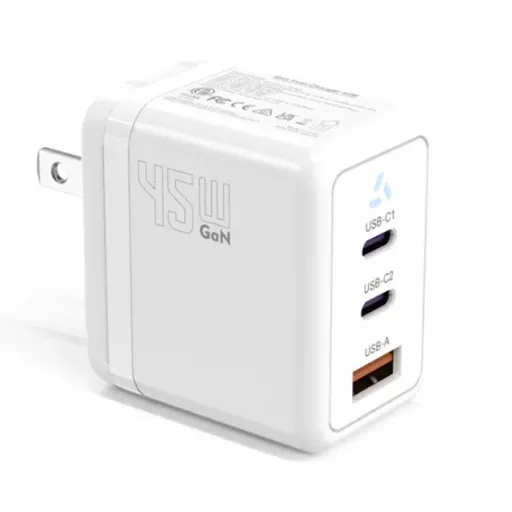
Power delivery requirements vary dramatically by application. Understanding these differences helps OEM buyers specify the right system.
Consumer electronics and IoT
Routers, smart speakers, and IoT gateways need:
Compact adapters (wall-mount or desktop)
Low standby power (for always-connected devices)
Stable output under varying load
Global certification stacks (UL, CE, UKCA, CCC)
USB-C PD is increasingly common in this category as consumers expect universal charging.
E-mobility
E-bikes, scooters, and electric cars need:
High-power battery chargers (100W to 2,000W+)
Chemistry-matched charge profiles (LiFePO4 vs Li-ion)
Rugged enclosures for outdoor use
Safety protections (OVP, OCP, OTP, reverse polarity)
Power delivery in e-mobility is mission-critical. The wrong charge profile shortens battery life. Insufficient protections create fire risks.
Security and industrial
CCTV systems, access control, and industrial instrumentation need:
24/7 continuous operation
Wide temperature ranges (-20C to +60C)
Low ripple and noise for sensitive electronics
Long product life (10+ years)
These applications prioritize reliability over efficiency. A 1% efficiency gain matters less than a 50% reduction in failure rate.
Outdoor and waterproof
LED lighting, outdoor security cameras, and electric faucets need:
IP65 or IP67 rated enclosures
Corrosion-resistant materials
Surge protection for lightning exposure
Wide input voltage tolerance
Power delivery in outdoor environments must survive humidity, dust, temperature swings, and electrical transients that indoor products never see.
Ready to evaluate power delivery options for your application? Request a free sample of our AC/DC adapters or battery chargers. Engineering samples ship within 7 days with full test reports.
Specifying power delivery: what to include in your RFQ
When requesting quotes for power delivery systems, incomplete specifications lead to wrong products, delays, and cost overruns. Include these items in every RFQ:
1. Electrical specifications
Input voltage range: 100–240V universal, or region-specific?
Output voltage: Fixed or variable? If variable, which voltage levels?
Output current / power: Maximum continuous and peak
Voltage regulation: ±5% is standard; ±1% for sensitive applications
Ripple and noise: Typically specified in mV peak-to-peak
2. Mechanical and environmental
Form factor: Wall-mount, desktop, enclosed, or open-frame?
Dimensions and weight: Critical for space-constrained products
Operating temperature range: Indoor (0C to +40C) or extended?
Ingress protection: IP20 for indoor, IP65/IP67 for outdoor
Cooling: Natural convection or forced air (fan)?
3. Safety and regulatory
Safety certifications: UL, CE, UKCA, SAA, CCC, CB for target markets
Efficiency standard: DOE Level VI, ErP Tier V, ENERGY STAR Level V
Environmental compliance: RoHS, PAHs, REACH
Isolation rating: 3KVAC is standard for most applications
4. Application-specific requirements
Connector type: DC barrel, USB-C, XLR, GX16, Anderson, or custom?
Cable length and gauge: Longer cables need thicker wire to limit voltage drop
LED indicators: Power, charging, fault status?
Communication: Does the system need to talk to a BMS or host controller?
The more specific your RFQ, the more accurate the quote and the fewer surprises at production. Vague specs like "12V adapter, 2A" invite suppliers to quote the cheapest option that technically meets the description, which may not meet your actual product needs.
Common power delivery mistakes
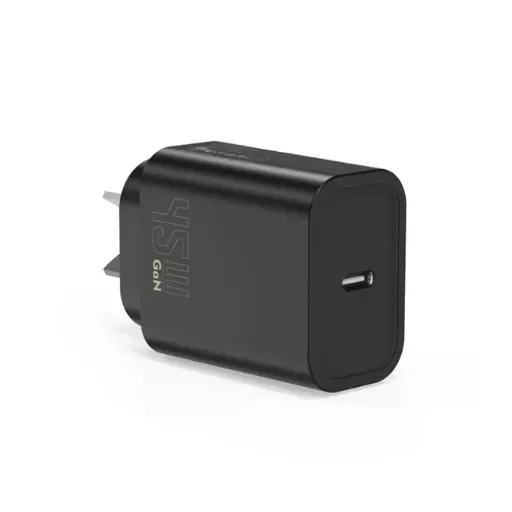
After reviewing thousands of OEM specifications, we see the same errors repeat:
Mistake 1: Ignoring cable and connector losses
A 48V charger with 5 meters of 20AWG cable loses approximately 1.5V to resistance. The battery sees 46.5V, not 48V. For LiFePO4, that voltage difference means the battery never reaches full charge. Always specify cable gauge and length, or calculate voltage drop and compensate.
Mistake 2: Specifying average power instead of peak power
A device that draws 30W average but 60W peak needs a 60W adapter, not a 30W adapter. Peak loads that exceed adapter capacity cause voltage sag, reset conditions, or shutdown. Measure actual peak current with an oscilloscope, not a multimeter.
Mistake 3: Choosing adapters without verifying certification documents
A supplier claiming "CE certified" should provide a current test report with a traceable number. Old reports, reports for different models, or reports from uncredited labs do not count. Verify before you order.
Mistake 4: Forgetting thermal derating
Adapters rated at 60W at 25C may only deliver 45W at 50C. If your product operates in a warm enclosure or outdoor environment, specify the required output at the actual operating temperature, not room temperature.
Mistake 5: Mixing up power delivery protocols
USB PD, Quick Charge, and proprietary protocols are not interchangeable. A Quick Charge adapter will not fast-charge a USB PD device, and vice versa. Specify the exact protocol your product implements, not just "fast charging supported."
Key takeaways: what power delivery means for your product
Power delivery is the system that moves electrical energy from source to load safely, efficiently, and reliably. For OEM buyers and product managers, getting it right means understanding the full chain. That means the adapter, the cables, the connectors, the protocols, and the protections that complete the system.
Here is what to remember:
Power delivery is a system problem: source, path, control, and load must all match
Different applications need different protocols: fixed voltage, USB PD, CC-CV charging, or programmable smart systems
Efficiency directly impacts reliability: cooler-running systems fail less often
Regulatory compliance (DOE Level VI, ErP Tier V, UL, CE) is mandatory, not optional, for regulated markets
Specific RFQs get accurate quotes: include electrical, mechanical, regulatory, and application requirements
Cable and connector losses are real: account for voltage drop in your power budget
When Ravi's team finally revised their tablet dock with a properly specified 5A USB-C cable and verified power delivery negotiation, the charging problems disappeared. The redesigned units shipped to retailers two months late but performed flawlessly. His next product launch included a full power delivery validation checklist from day one.
The right power delivery specification is not an afterthought. It is the foundation that the rest of your product builds on.
Start Your Power Delivery Specification Review. Send us your product's voltage, current, and application requirements. Our engineering team will return a proposed adapter or charger spec with sample timeline within 24 hours. Or request a free sample to evaluate in your product before you commit.
Recently Posted
-
Why Is My Phone Charging Slowly? Causes and Fixes
June 22, 2026At 7:45 a.m., Maya plugged her phone into the charger she grabbed from the hotel nightstand. By 8:30, the battery had climbed from Read More
 -
Fast Charging vs Normal Charging: OEM Engineering Guide
June 22, 2026Last year, a European e-bike brand shipped 5,000 units with a 4A fast charger as a premium upgrade. Six months later, their warran Read More
 -
How to Make Charging Faster: A Technical Guide for OEM Brand Owners
June 22, 2026When Elena, product manager at a Rotterdam e-bike brand, launched her 48V commuter line in spring 2026, she thought 6 hours on a s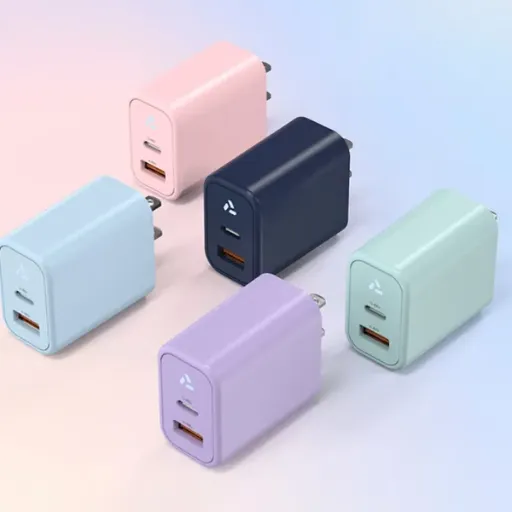 Read More
 -
Does Fast Charging Damage Battery? What OEM Buyers Need to Know
June 22, 2026Yes, fast charging can damage batteries when current exceeds the cell's thermal and electrochemical limits. The damage shows u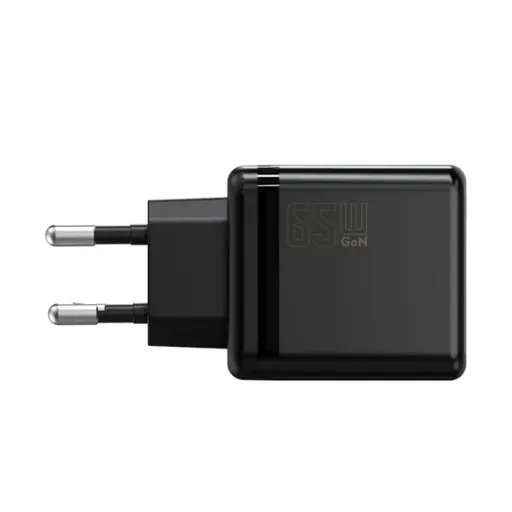 Read More

Contact Us
Recommended Products
-
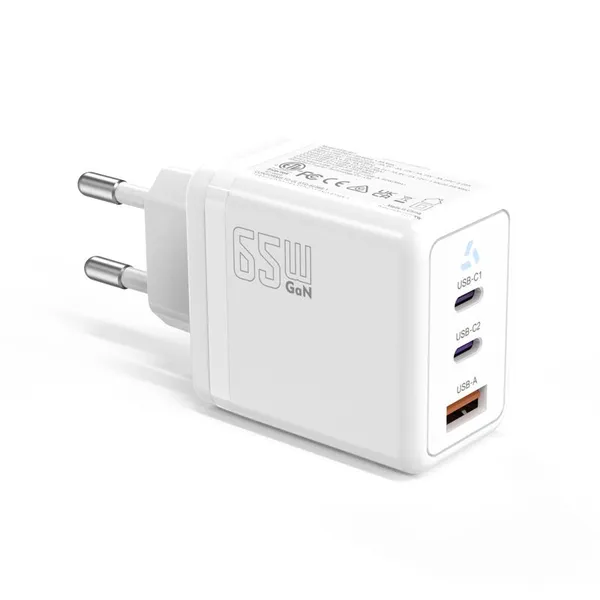
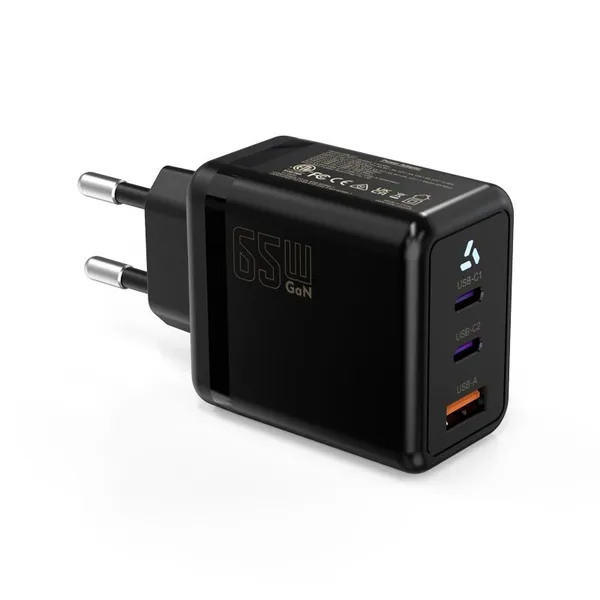
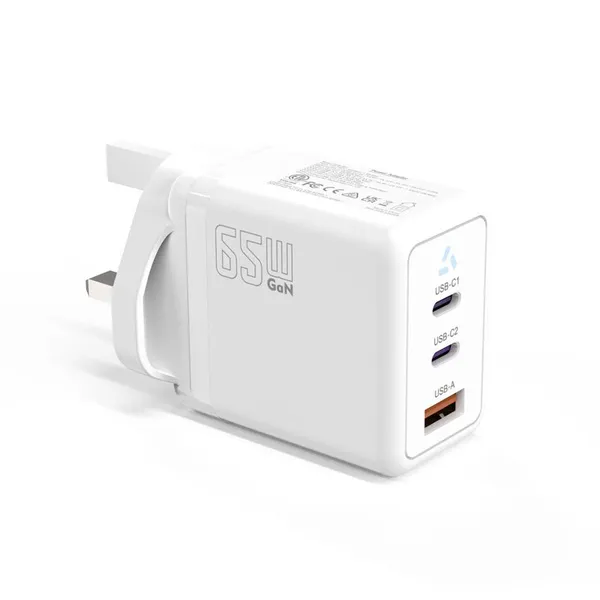
 65W USB-C GaN Wall Charger PD Fast Charging Adapter EU US Plug for Laptop Smartphone and TravelUS$ 6MOQ: 100 Pieces
 -
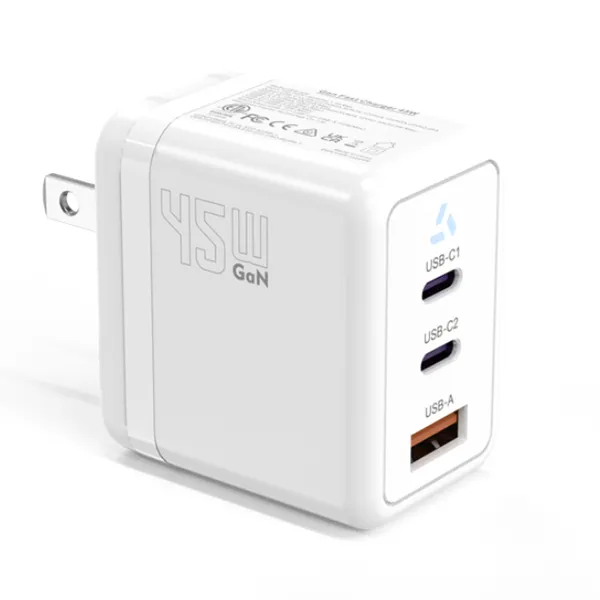
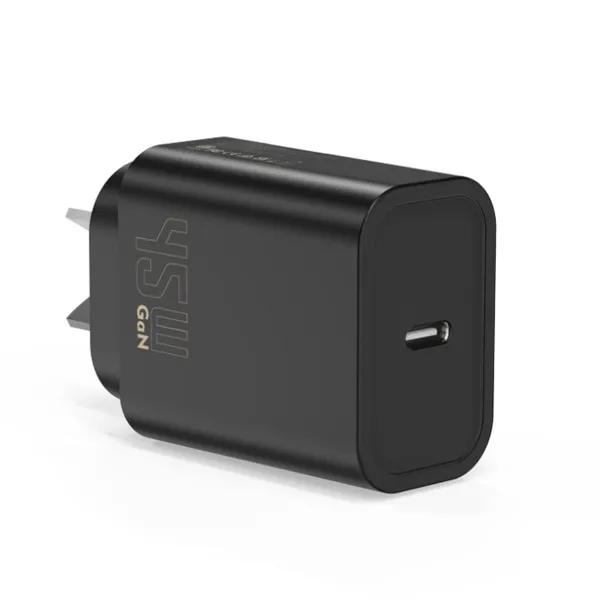
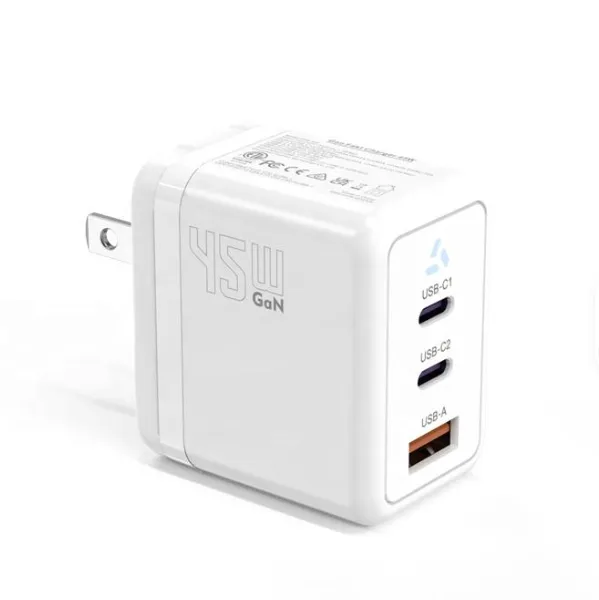
45W GaN USB-C Fast Charger JP Plug PD Wall Charging Adapter for IPhone MacBook and TabletsUS$ 8MOQ: 100 Pieces
-
QC3.0 30W USB Fast Charger With 18W Quick Charge Wall Adapter for Android and Mobile DevicesUS$ 4MOQ: 100 Pieces
-
Compact 18W Quick Charge 3.0 USB Charger 30W Fast Charging Adapter EU US Plug for TravelUS$ 2MOQ: 100 Pieces
-
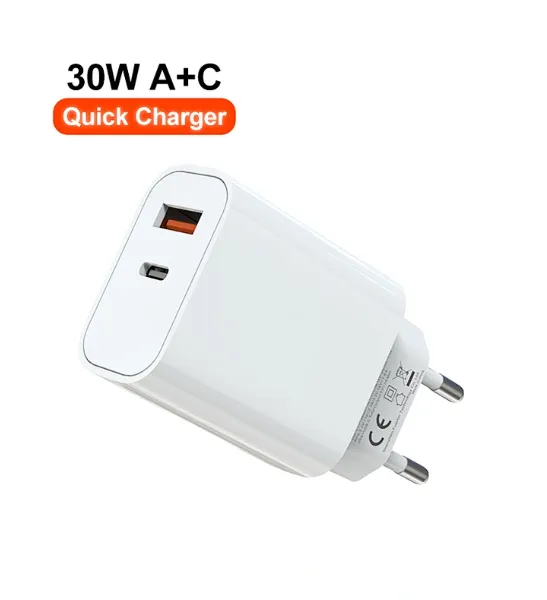
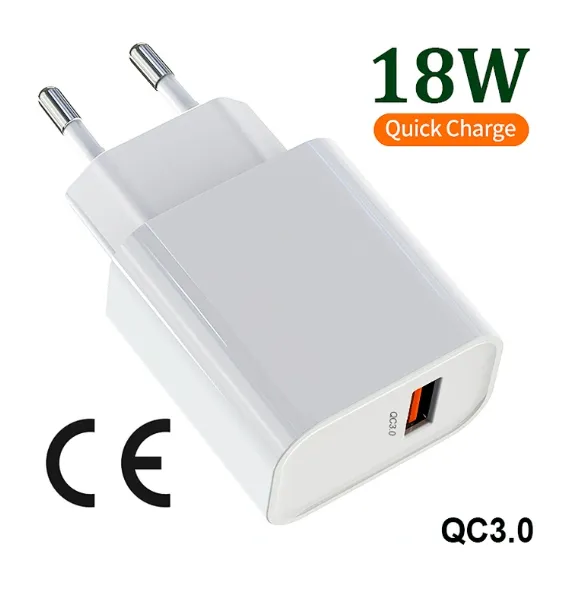
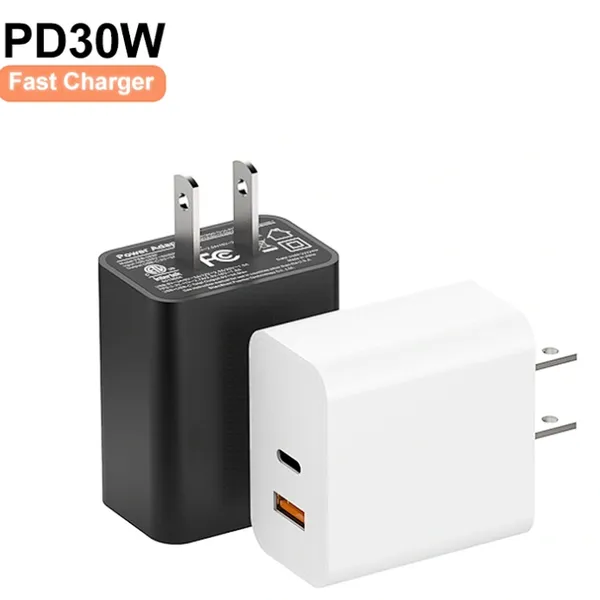
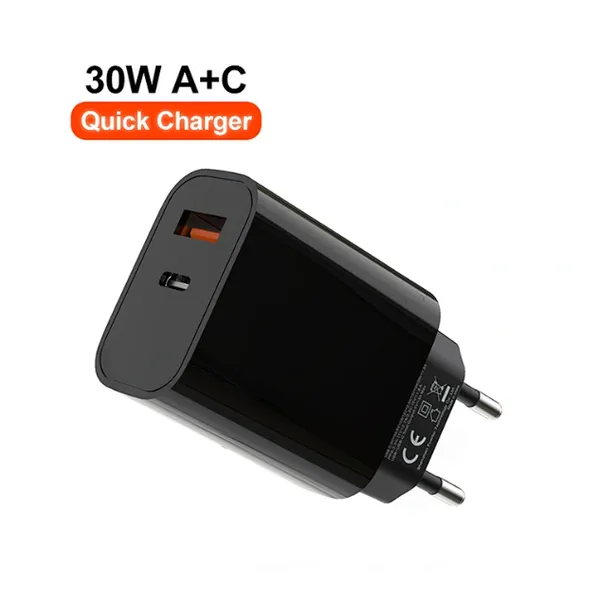
30W USB-C and USB-A PD Fast Charger Compact Wall Adapter for IPhone Samsung and IPadUS$ 3MOQ: 100 Pieces
-
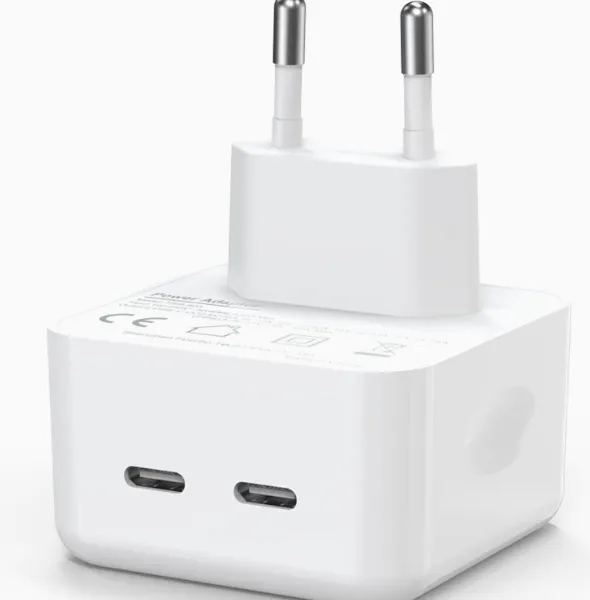
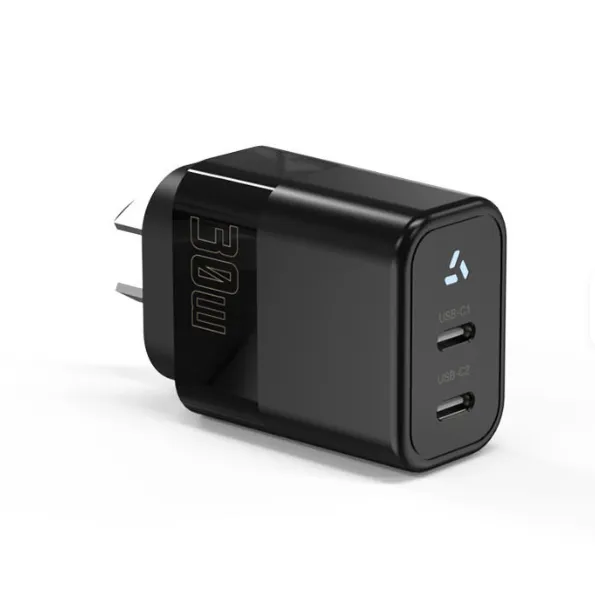
35W Dual USB-C PD Charger Fast Charging Adapter for IPhone Samsung IPad and USB-C DevicesUS$ 3MOQ: 100 Pieces
-
65W USB-C GaN Charger EU Plug Fast Charging Adapter 65W USB-C PD Fast Charge Wall Charger Power Adapter for Macbook ProUS$ 5MOQ: 100 Pieces
-
65W GaN USB-C Fast Charger PD Wall Charging Adapter for Laptop IPhone and Mobile DevicesUS$ 5MOQ: 100 Pieces
-
100W GaN USB-C Fast Charger With PD 3.0 for Laptop, MacBook, IPhone & Multi-Device ChargingUS$ 12MOQ: 100 Pieces
-
45W GaN USB-C Fast Charger EU AU PD Fast Wall Charging Adapter for IPhone Tablets With CE REACH PassedUS$ 8MOQ: 100 Pieces
-
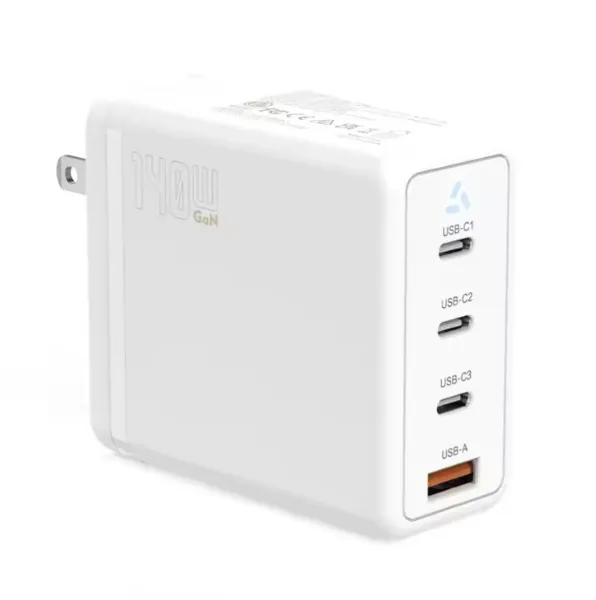
QC3.0 65W GaN USB C Super Fast Charger With UKCA 3 Ports PD 3.0 GaN Charger for Iphone Macbook SamsungUS$ 10MOQ: 100 Pieces
-
30W USB-C and USB-A GaN QC3.0 Fast Charging Adapter PD Fast Charger Compact Wall Adapter for IPhone Samsung and IPadUS$ 3MOQ: 100 Pieces
-
45W GaN USB-C Fast Charger With Dual Type-C and USB-A Ports PD Wall Charging AdapterUS$ 8MOQ: 100 Pieces
-
Dual USB C Ports QC3.0 30W Fast Charger With EU UK AU US USB-C PD Wall Chargeer 30W PD Power AdapterUS$ 3MOQ: 100 Pieces
-
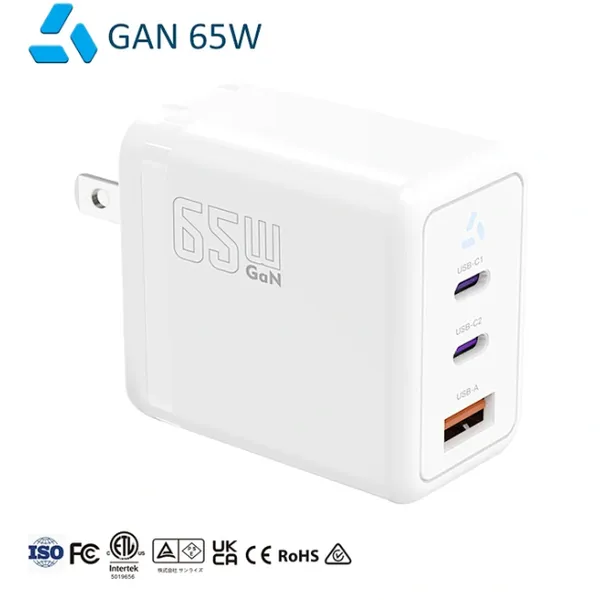
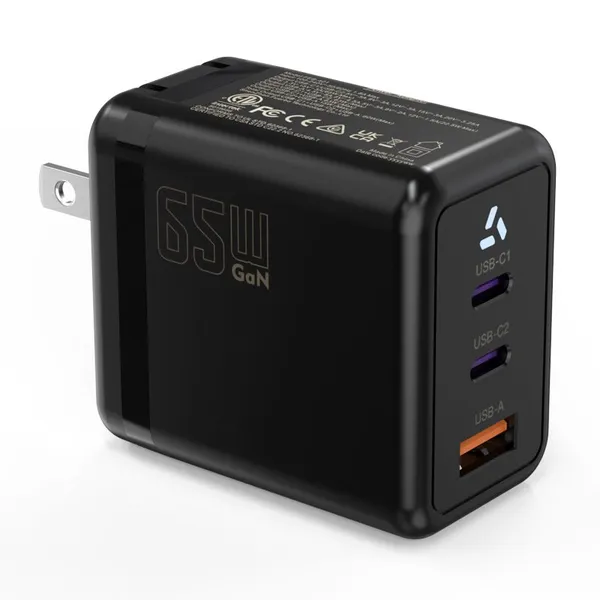
Compact 65W GaN USB-C Wall Charger With Dual USB-C Ports and USB-A Fast Charging Adapter With CE UKCA ETL SAAUS$ 10MOQ: 100 Pieces
-
QC3.0 Fast Charging Adapter PD30W USB-C USB-A GaN PD Fast Charger PD 3.0 GaN Charger Compact Wall Adapter for IPhone Samsung and IPadUS$ 3MOQ: 100 Pieces
-
12V 5A 60W US EU AC DC Adapter LED Driver LED SMPS AC to DC Switching Power SupplyUS$ 5 - 7MOQ: 50 Pieces
-
CE FCC CUL SAA KC PSE 24Vdc 48W Switching Power Supply AdaptersUS$ 5 - 7MOQ: 50 Pieces
-
CE GS UKCA SAA CUL Qualified Waterproof Switching Power Supply Ip68 PSE UL SAA GS 12V 2AUS$ 3 - 6MOQ: 50 Pieces
-
12V 1A Factory OEM Waterproof AC Adapter for Laser Light Table Lamp ac dc Adaptor With TUV CE GS for EU MarketUS$ 5 - 7MOQ: 50 Pieces