
 Business License
Why USB-C Is Better: The Engineering Case for USB Type-C in Power Products
In 2023, the European Union mandated USB-C as the universal charging port for smartphones, tablets, and cameras sold in the EU. Apple, after a decade of Lightning connectors, made the switch. That regulatory nudge tells only part of the story. Beneath the headlines sits a genuine engineering leap: USB-C is not just a different plug shape. It is a fundamentally better power delivery architecture that changes what chargers, adapters, and battery-powered products can do.
For OEM brand owners and procurement engineers, the shift to USB-C is not about following trends. It is about product performance, supply chain simplification, and compliance readiness. This article explains why USB-C is better than USB-A, Lightning, and barrel-jack alternatives from a power-electronics perspective, and what it means for your next product design or charger sourcing decision.
What Makes USB-C Different From USB-A at the Physical Layer
USB-A, the familiar rectangular connector that dominated consumer electronics for two decades, was designed primarily for data. Power delivery was an afterthought. USB-A 2.0 delivers 2.5W (5V at 0.5A). USB-A 3.0 pushes that to 4.5W. Even Qualcomm Quick Charge over USB-A tops out around 18W, and it does so by negotiating proprietary voltage steps that vary by device manufacturer.
USB-C was designed with power as a first-class capability. The connector itself contains 24 pins arranged in a reversible, radially symmetric layout. Critically, it includes dedicated configuration channel (CC) pins that let the cable and the device negotiate power roles dynamically. A USB-C port can be a power source, a power sink, or both, switching roles as needed. USB-A cannot do this.
The physical design is also more robust for manufacturing. USB-C supports up to 10,000 insertion cycles (per USB-IF durability spec) versus 1,500 for micro-USB and roughly 5,000 for typical USB-A implementations. For products with frequent charging, like e-bikes, scooters, and portable power tools, that durability directly impacts warranty exposure.
Reversible by Design
The most visible USB-C advantage is reversibility. Users no longer fumble for the correct orientation. For OEMs, this reduces support tickets, returns due to damaged ports from forced insertion, and user complaints. It sounds like a consumer convenience, but the downstream effect on brand reputation and RMA rates is measurable.
USB Power Delivery: Why the Numbers Matter for Product Design
USB Power Delivery (PD) is the specification that makes USB-C a serious power architecture, not just a connector upgrade. USB PD Revision 3.1, published by the USB Implementers Forum (USB-IF), defines power profiles up to 240W at 48V.
Here is how USB PD power levels stack up against legacy USB:
| Standard | Max Voltage | Max Current | Max Power | Connector |
|---|---|---|---|---|
| USB-A 2.0 | 5V | 0.5A | 2.5W | USB-A |
| USB-A 3.0 | 5V | 0.9A | 4.5W | USB-A |
| USB BC 1.2 | 5V | 1.5A | 7.5W | USB-A / Micro-B |
| USB-C (no PD) | 5V | 3A | 15W | USB-C |
| USB PD 3.0 | 20V | 5A | 100W | USB-C |
| USB PD 3.1 | 48V | 5A | 240W | USB-C (EPR) |
(Source: USB Power Delivery Specification, USB-IF)
That jump from 7.5W to 240W is not incremental. It means a single USB-C PD charger can power anything from a wireless earbud case to a gaming laptop. For OEMs, this consolidation opportunity is significant.
One Charger Platform, Multiple Products
Consider the product line of a typical consumer electronics brand. Before USB-C PD, that brand might have sourced:
A 5W USB-A charger for wearables
A 12W USB-A charger for phones
A 45W barrel-jack adapter for tablets
A 90W proprietary adapter for laptops
A separate charger for e-bike battery packs
With USB-C PD, the same brand can design around a single 65W or 100W GaN USB-C charger platform and scale down with cable or firmware limitations for lower-power devices. That consolidation reduces SKUs, simplifies inventory, and cuts certification costs. Instead of certifying five separate power supplies for UL, CE, and DOE Level VI, the brand certifies one platform and derives variants.
When Marcus, a product manager at a Rotterdam-based e-mobility startup, switched his scooter and e-bike accessory lines to a unified 65W USB-C PD platform in early 2024, he cut his power adapter SKU count from 8 to 2. His procurement team shaved 30% off adapter-related logistics costs, and his QA team only had to maintain one set of compliance documents for customs clearance across the EU, UK, and U.S. markets.
GaN and USB-C: A Partnership That Changes Charger Physics
USB-C PD enables higher power. Gallium Nitride (GaN) power semiconductors make that higher power physically smaller. Together, they are reshaping what buyers expect from a charger.
Traditional silicon-based switching power supplies operate at frequencies around 50–100 kHz. GaN switches operate at 200 kHz and above, sometimes reaching 1 MHz in advanced designs. Higher switching frequency means smaller magnetics (transformers and inductors) and smaller filter capacitors. The result is a charger that delivers the same wattage in roughly half the volume.
For OEM buyers, the implications are concrete:
Smaller packaging: A 65W GaN USB-C charger fits in a retail box that costs less to ship and stock.
Lower weight: Air freight costs drop measurably when charger weight is halved across a 10,000-unit shipment.
Better thermal performance: GaN efficiency reduces heat generation. A cooler charger needs less heatsinking and enclosure ventilation, which matters for enclosed or waterproof designs.
Higher power density in the same footprint: A 100W charger that once required a desktop brick can now be a compact wall-mount unit.
Anenerge's 65W GaN USB-C PD adapter, for example, measures roughly 55 × 35 × 30 mm and delivers 92% efficiency at full load. A comparable silicon-based 65W adapter from 2018 would have been nearly twice the volume and run 5–8°C hotter under continuous load. That efficiency gain matters when the charger lives inside a sealed IP67 enclosure for outdoor LED or security camera applications.
Why USB-C Is Better for OEMs: Standardization and Certification
Proprietary charging connectors — Apple's Lightning, various barrel-jack sizes, DC coaxial plugs — create fragmentation. Each one needs its own cable, its own adapter, its own testing, and its own compliance documentation. For OEMs shipping globally, that fragmentation is expensive.
USB-C is different because it is an open standard governed by the USB-IF. Any manufacturer can implement it without paying royalties for the connector itself. The standardization cascades into certification benefits:
IEC 62680: The International Electrotechnical Commission has adopted USB-C as the universal charging interface standard. Compliance with IEC 62680-1-2 (USB PD) and IEC 62680-1-3 (USB Type-C cable and connector) satisfies the technical basis of the EU common charger directive.
Unified testing: Instead of separate safety tests for each proprietary connector, a USB-C platform goes through one unified test cycle for IEC 62368-1 (or UL 62368-1 in the U.S.).
Interoperability: A USB-C PD charger from any compliant manufacturer will charge any USB-C PD device, regardless of brand. That interoperability reduces compatibility complaints and warranty claims.
The EU Common Charger Mandate and Global Ripple
The EU Radio Equipment Directive amendment, effective December 2024, requires USB-C as the charging port for mobile phones, tablets, digital cameras, headphones, portable speakers, handheld game consoles, e-readers, keyboards, mice, and portable navigation systems sold in the EU. The mandate extends to laptops from 2026.
This is not an EU-only phenomenon. India has announced similar USB-C mandates for mobile devices. Brazil is evaluating alignment. Even manufacturers who do not sell into the EU are redesigning around USB-C because maintaining separate SKUs for different regions is economically irrational.
For OEMs, the message is straightforward: if your product has a battery and a charging port, USB-C is becoming the default regulatory expectation. Designing with anything else is designing for obsolescence.
USB-C in E-Mobility and Industrial Applications
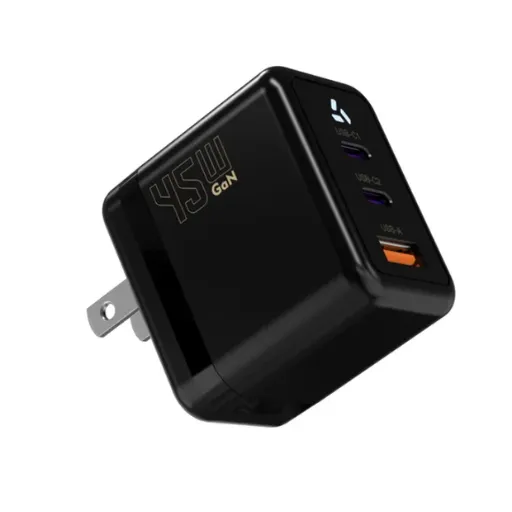
USB-C is not limited to consumer electronics. The 240W Extended Power Range (EPR) profile in USB PD 3.1 opens doors in e-mobility and industrial power.
A 48V e-bike battery pack with a 2A charge current draws roughly 96W. That sits comfortably within the 100W Standard Power Range (SPR) of USB PD 3.0. A 36V e-scooter pack at 3A draws 108W — still within SPR with a small margin. Higher-voltage or faster-charge applications can tap EPR up to 240W.
This matters for light electric vehicle (LEV) OEMs because USB-C PD enables a shared charging infrastructure. Imagine a shared charging station at a Rotterdam apartment complex that charges phones, laptops, e-bike battery packs, and scooter auxiliary batteries through identical USB-C PD ports. The economics of shared charging improve dramatically when the interface is universal.
For industrial applications, USB-C's data + power combination is equally powerful. A security camera installation technician can carry one 100W USB-C PD adapter that powers the camera during setup, then recharges their tablet, flashlight, and power tool battery. One cable, one brick, multiple functions.
What About LiFePO4 and Li-Ion Charger Applications?
Dedicated LiFePO4 battery chargers and lithium-ion chargers still require chemistry-specific CC-CV profiles. A USB-C PD source provides the power; the charging circuitry inside the battery pack or in a smart charger manages the charge curve. The two are complementary.
Anenerge designs USB-C PD input stages for our smart charger platforms. The charger accepts 5V–20V (or up to 48V for EPR applications) from any USB-C PD source, then regulates that input down to the precise CC-CV profile the battery chemistry demands — 3.65V/cell for LiFePO4, 4.2V/cell for Li-ion. The benefit to the end user is flexibility: the same USB-C PD adapter charges their phone, their laptop, and their e-bike battery pack, just with different cables or dock interfaces.
Common USB-C Misconceptions OEM Buyers Should Avoid
Despite its advantages, USB-C is not magic. OEM buyers should be aware of common misconceptions that lead to poor sourcing decisions.
Misconception 1: All USB-C cables and chargers are interchangeable.
They are not. USB-C cables vary widely in current capacity, data speed, and PD profile support. A cable rated for 3A cannot safely deliver 5A at 20V. A charger without PD protocol support will only deliver 5V at 3A (15W) regardless of what the device requests. When sourcing USB-C PD chargers, verify the exact PD profiles and cable ratings your product requires.
Misconception 2: USB-C PD eliminates the need for battery-specific charging circuits.
It does not. USB-C PD delivers raw DC power at negotiated voltage and current. The device still needs a battery management system (BMS) and charge controller to convert that input into the proper CC-CV profile for the cells. USB-C PD replaces the wall adapter; it does not replace the charger electronics for lithium chemistries.
Misconception 3: USB-C certification is automatic if the connector is genuine.
USB-IF runs a certification program with specific test procedures for chargers, cables, and devices. A product using a "USB-C compatible" connector without full USB-IF certification may fail interoperability tests or violate trademark guidelines. For OEMs selling under their own brand, this is a liability. Insist on USB-IF certified components from your power supply manufacturer.
Misconception 4: Higher wattage always means faster charging.
Charging speed is limited by the device's charge controller, the battery's C-rate, and thermal management. A 100W USB-C PD charger connected to a phone that only requests 18W will deliver 18W. The excess capacity is unused. Match the charger wattage to the device's actual power draw, not its theoretical maximum.
Choosing the Right USB-C PD Charger for Your Product Line
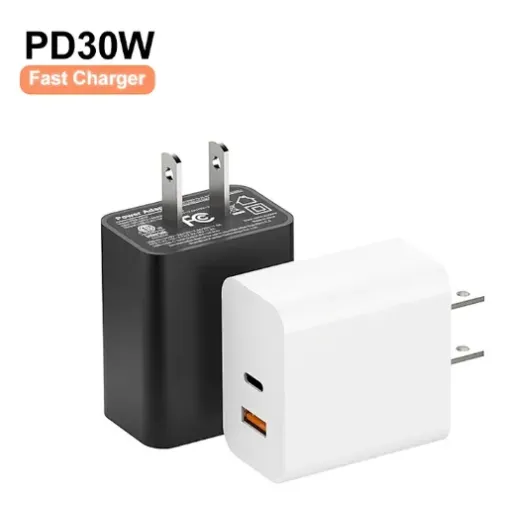
If you are evaluating USB-C PD chargers for your next product, here are the specifications to verify before placing a production order.
1. PD Power Profile Support
Verify which PD profiles the charger supports. Common SPR profiles are:
5V at 3A (15W)
9V at 3A (27W)
12V at 3A (36W)
15V at 3A (45W)
20V at 5A (100W)
EPR profiles (PD 3.1) add 28V, 36V, and 48V at up to 5A, reaching 240W. Not all devices need EPR, but if your product roadmap includes higher-power applications, choose a charger platform that supports it.
2. GaN vs Silicon
For chargers above 45W, GaN is increasingly the default. The efficiency gains and size reductions justify the small BOM cost premium. For chargers below 30W, silicon remains cost-competitive. Ask your manufacturer for a cost-vs-size trade analysis at your target volumes.
3. Efficiency and Regulatory Compliance
USB-C PD chargers sold in major markets must meet the same efficiency standards as any other external power supply:
U.S.: DOE Level VI (10 CFR 430) for external power supplies
EU: ErP Tier V for energy-related products
Global: ENERGY STAR Level V for sustainability-focused brands
Verify that the charger has current test reports for your target markets. A USB-C connector does not exempt a product from efficiency regulations.
4. Safety Certifications
The same safety standards apply regardless of connector type:
IEC 62368-1 / UL 62368-1 for IT and audio/video equipment
IEC 60950-1 (legacy, but still referenced in some markets)
FCC Part 15 for electromagnetic emissions in the U.S.
CE marking with EN 55032/35 for the EU
Request the certification stack before sampling. Anenerge ships every USB-C PD adapter with current CCC, UL, TUV, UKCA, CB, CE, SAA, and DOE Level VI documentation.
5. Connector and Cable Strategy
USB-C chargers need USB-C to USB-C cables for PD operation. USB-A to USB-C cables cannot negotiate PD profiles. Plan your accessory bundle accordingly. If you are shipping a USB-C PD charger with your product, include the correct cable or clearly communicate the cable requirement to end users.
The Future: USB-C Beyond 240W
The USB-IF has publicly discussed extending USB-C PD beyond 240W in future revisions. Meanwhile, the ecosystem continues to expand:
Wireless charging alignment: Qi2, the wireless charging standard from the Wireless Power Consortium, is integrating USB-C PD as its power input specification. A USB-C PD adapter becomes the input for both wired and wireless charging.
Automotive adoption: Car manufacturers are replacing 12V accessory outlets with USB-C PD ports as standard equipment.
Industrial power over USB-C: The combination of USB-C PD with Power over Ethernet (PoE) adapters is creating new possibilities for networked industrial sensors and cameras.
For OEMs, this ecosystem growth means USB-C PD is not a transitional standard. It is the long-term power architecture for the next decade of product design.
Why USB-C Is Better: Key Takeaways for OEM Buyers
USB-C is better than USB-A and proprietary alternatives because of genuine engineering advantages, not marketing hype. Here is what matters for your product decisions:
Power density: Up to 240W in a compact, standardized connector that replaces multiple proprietary formats
Reversibility and durability: Fewer user errors, lower warranty returns, and longer connector life
GaN compatibility: Smaller, cooler, more efficient chargers that reduce shipping costs and thermal design constraints
Regulatory alignment: EU mandates and IEC 62680 standardization make USB-C the compliance-forward choice
Supply chain consolidation: One charger platform across multiple product categories cuts SKUs, inventory, and certification overhead
Interoperability: USB-IF certified chargers work across brands, reducing compatibility complaints
The shift to USB-C is not about abandoning dedicated battery chargers for complex chemistries. It is about standardizing the power input stage so that one adapter serves multiple products, while dedicated charge controllers inside the device or battery pack handle the chemistry-specific work.
Want to see how a unified USB-C PD strategy fits your product line? Contact our engineering team to review your power requirements, voltage targets, and certification needs. We will propose a GaN USB-C PD platform matched to your application, with engineering samples available in two weeks
Recently Posted
-
GaN Charger vs Normal Charger: An OEM Buyer's Comparison
June 12, 2026Last spring, a product manager at a Berlin laptop accessory brand opened two 65W samples on his desk. One was a normal silicon cha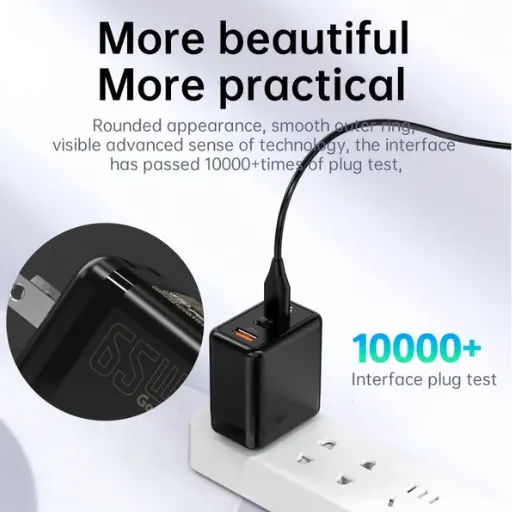 Read More
 -
What Is a GaN Charger? A Buyer’s Guide to Gallium Nitride Power Adapters
June 12, 2026In 2024, Maria Chen’s team at a Shenzhen router OEM received a blunt message from their largest U.S. distributor: shrink the power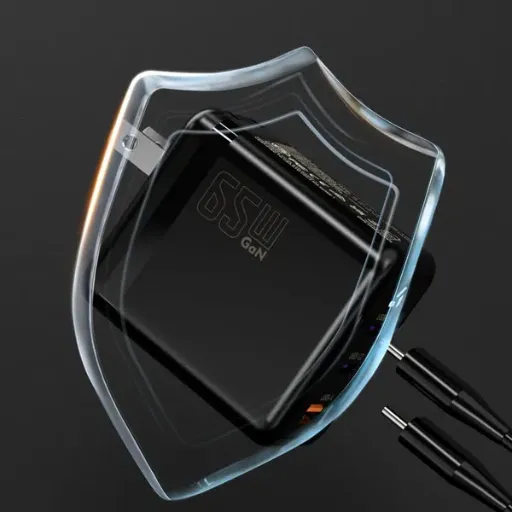 Read More
 -
What Is GaN Technology? A Manufacturer's Guide for Power Adapter Buyers
June 12, 2026Lisa, a product manager at a Rotterdam-based IoT brand, stared at the mechanical drawing for her new gateway. The enclosure was 30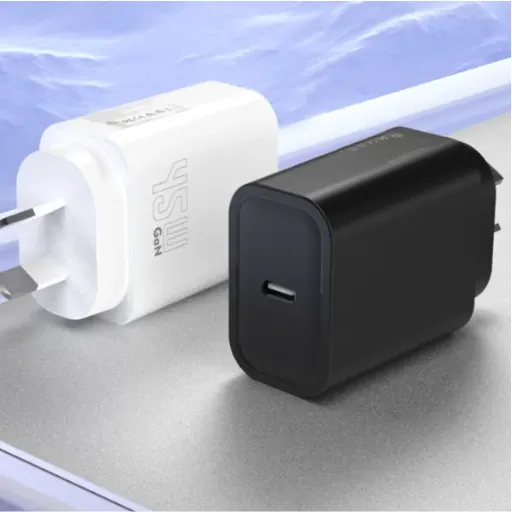 Read More
 -
What Is Power Delivery? Understanding Energy Transfer in Modern Electronics
June 12, 2026When Ravi Patel, a hardware engineer at a consumer electronics firm in Mumbai, received the first production samples of his team&#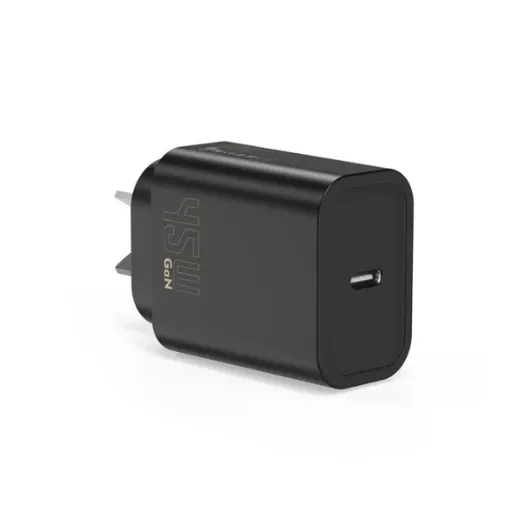 Read More

Contact Us
Recommended Products
-
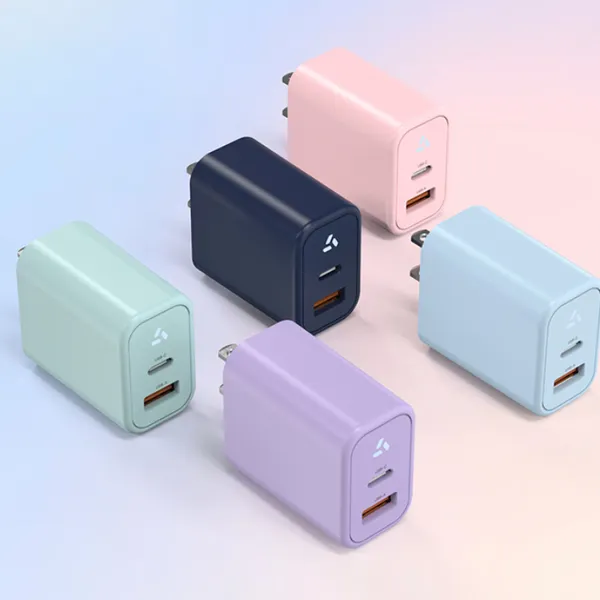
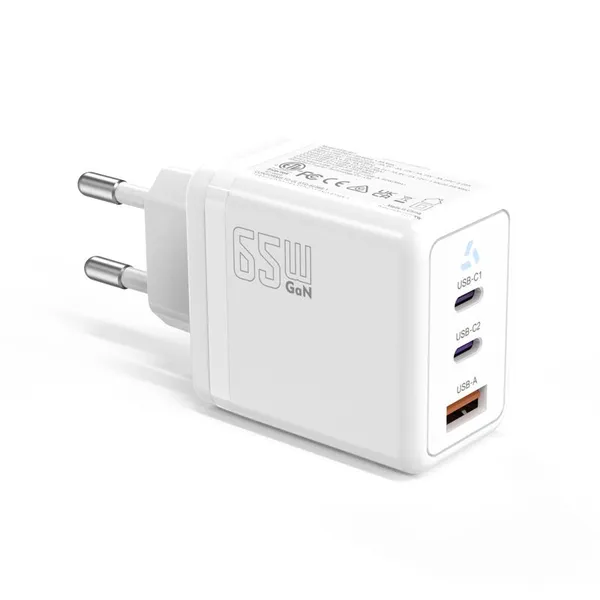
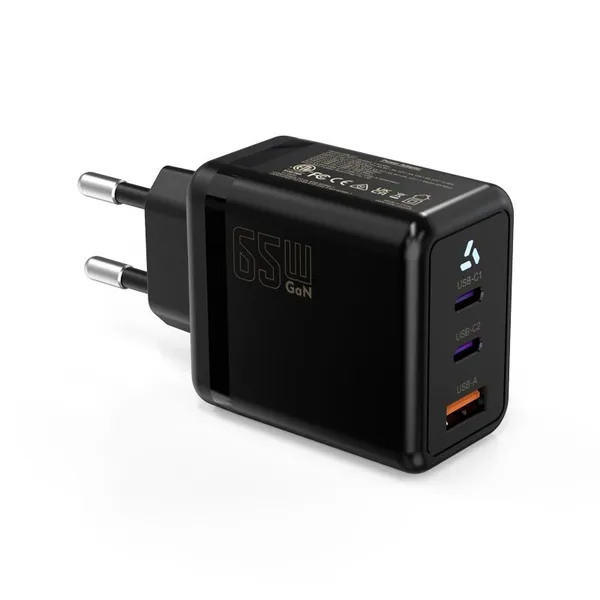
 65W USB-C GaN Wall Charger PD Fast Charging Adapter EU US Plug for Laptop Smartphone and TravelUS$ 6MOQ: 100 Pieces
 -
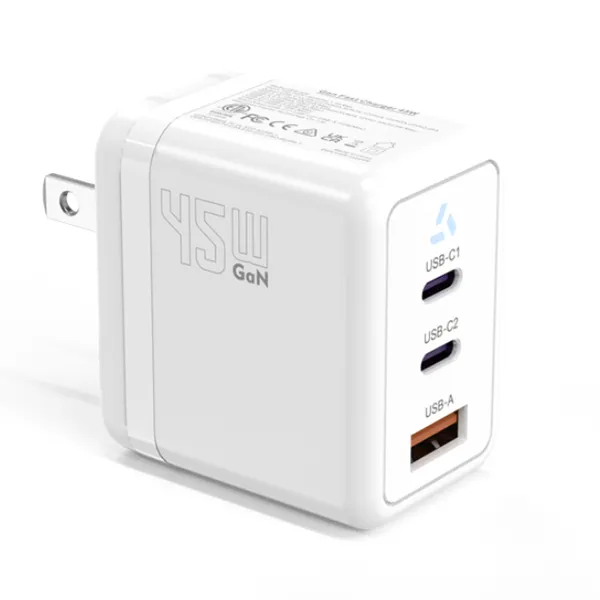
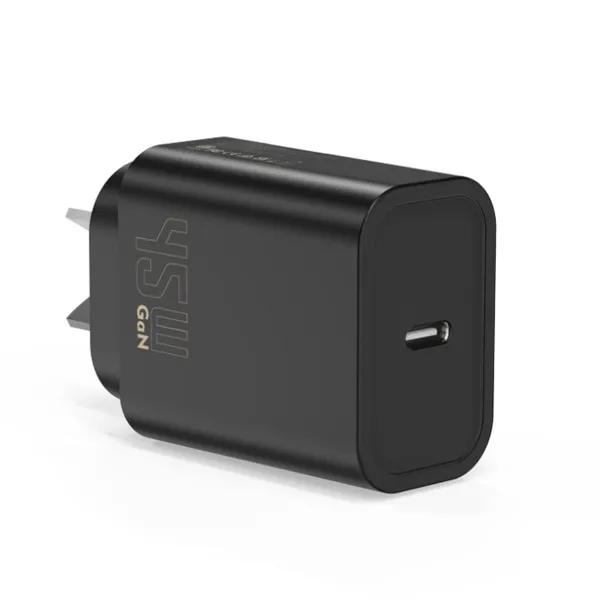
45W GaN USB-C Fast Charger JP Plug PD Wall Charging Adapter for IPhone MacBook and TabletsUS$ 8MOQ: 100 Pieces
-
QC3.0 30W USB Fast Charger With 18W Quick Charge Wall Adapter for Android and Mobile DevicesUS$ 4MOQ: 100 Pieces
-
Compact 18W Quick Charge 3.0 USB Charger 30W Fast Charging Adapter EU US Plug for TravelUS$ 2MOQ: 100 Pieces
-
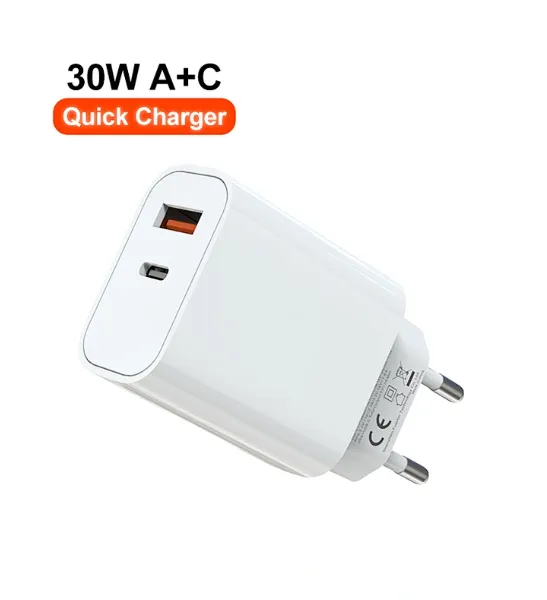
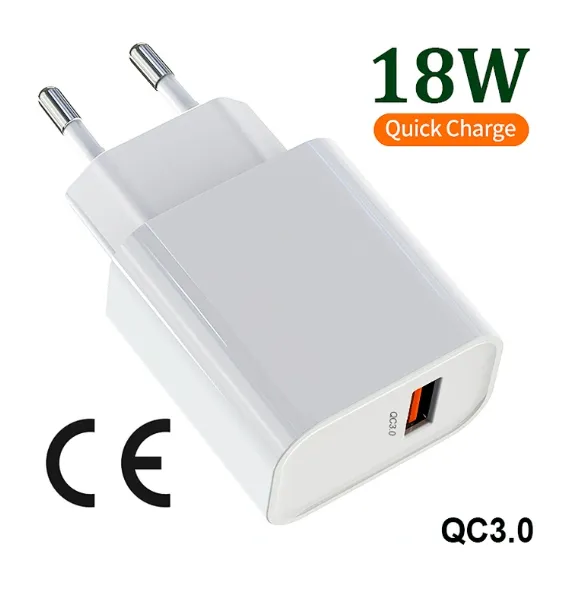
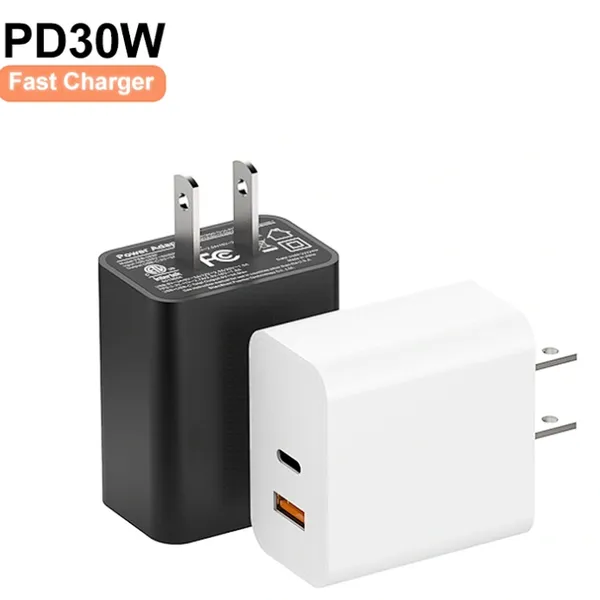
30W USB-C and USB-A PD Fast Charger Compact Wall Adapter for IPhone Samsung and IPadUS$ 3MOQ: 100 Pieces
-
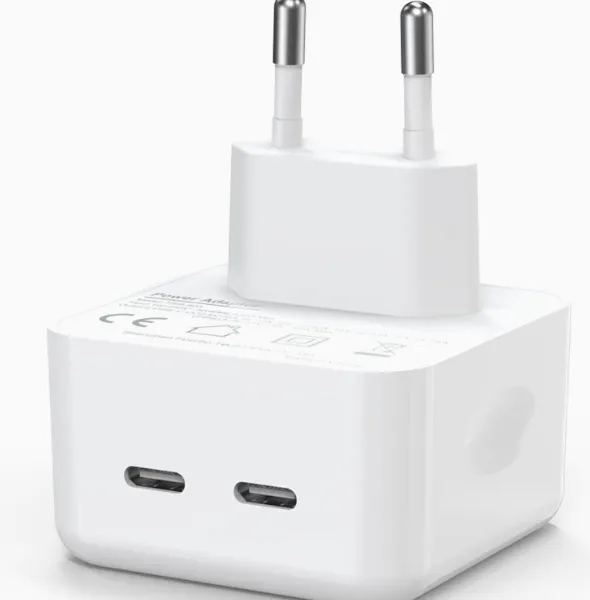
35W Dual USB-C PD Charger Fast Charging Adapter for IPhone Samsung IPad and USB-C DevicesUS$ 3MOQ: 100 Pieces
-
65W USB-C GaN Charger EU Plug Fast Charging Adapter 65W USB-C PD Fast Charge Wall Charger Power Adapter for Macbook ProUS$ 5MOQ: 100 Pieces
-
65W GaN USB-C Fast Charger PD Wall Charging Adapter for Laptop IPhone and Mobile DevicesUS$ 5MOQ: 100 Pieces
-
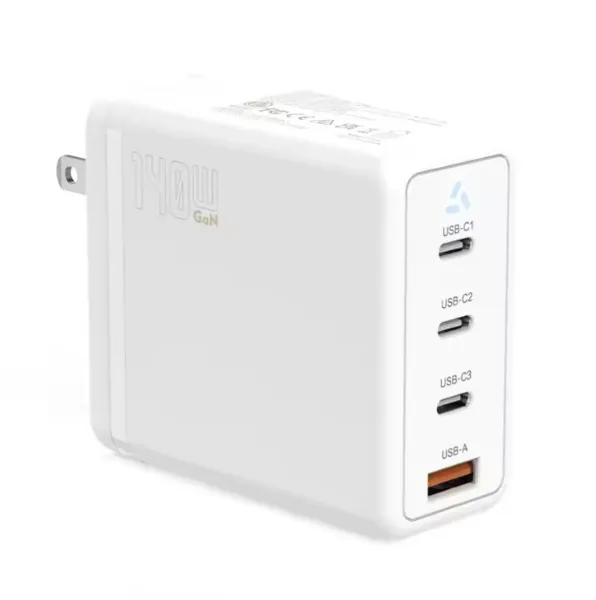
100W GaN USB-C Fast Charger With PD 3.0 for Laptop, MacBook, IPhone & Multi-Device ChargingUS$ 12MOQ: 100 Pieces
-
45W GaN USB-C Fast Charger EU AU PD Fast Wall Charging Adapter for IPhone Tablets With CE REACH PassedUS$ 8MOQ: 100 Pieces
-
QC3.0 65W GaN USB C Super Fast Charger With UKCA 3 Ports PD 3.0 GaN Charger for Iphone Macbook SamsungUS$ 10MOQ: 100 Pieces
-
30W USB-C and USB-A GaN QC3.0 Fast Charging Adapter PD Fast Charger Compact Wall Adapter for IPhone Samsung and IPadUS$ 3MOQ: 100 Pieces
-
45W GaN USB-C Fast Charger With Dual Type-C and USB-A Ports PD Wall Charging AdapterUS$ 8MOQ: 100 Pieces
-
Dual USB C Ports QC3.0 30W Fast Charger With EU UK AU US USB-C PD Wall Chargeer 30W PD Power AdapterUS$ 3MOQ: 100 Pieces
-
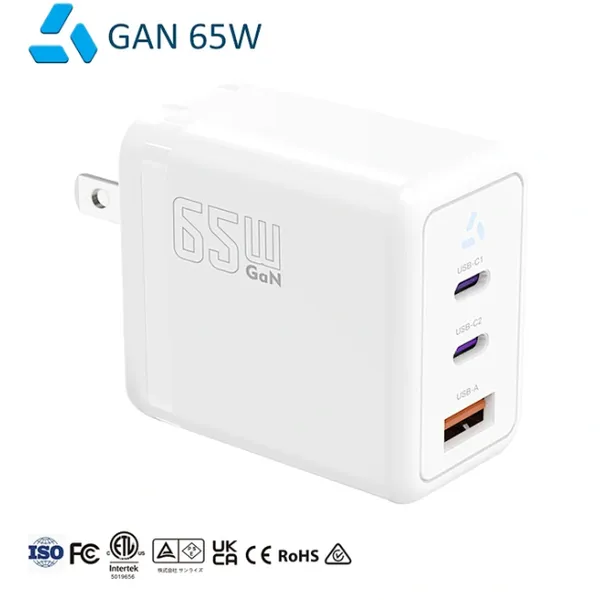
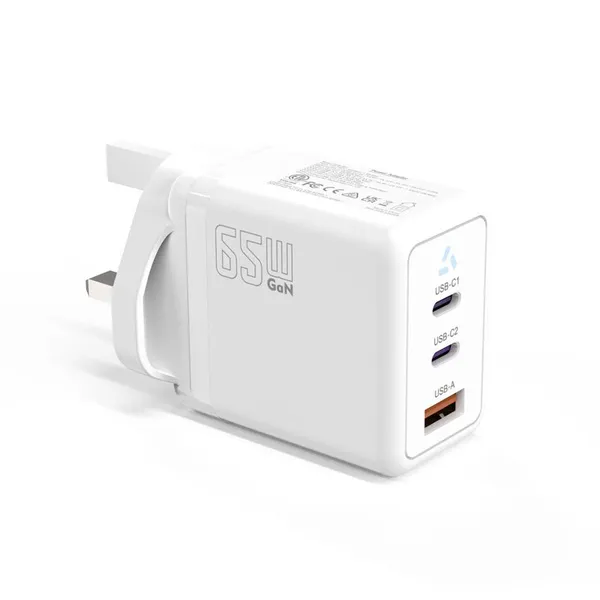
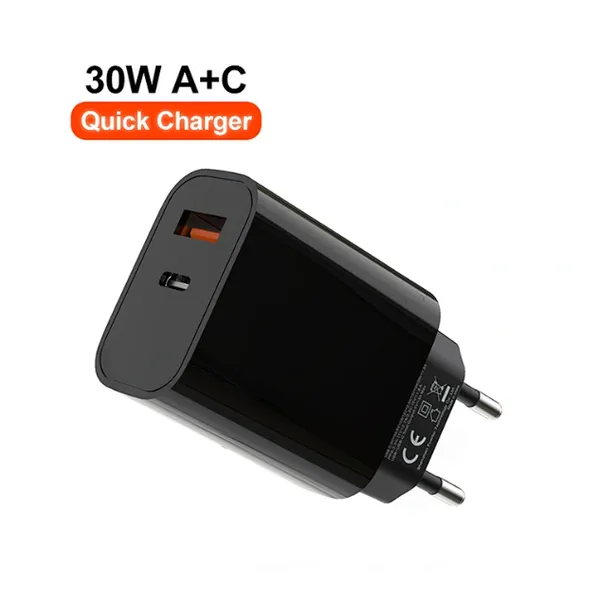
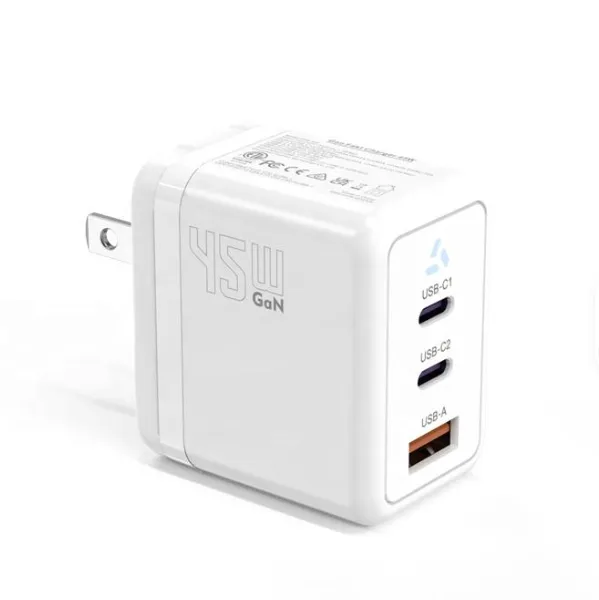
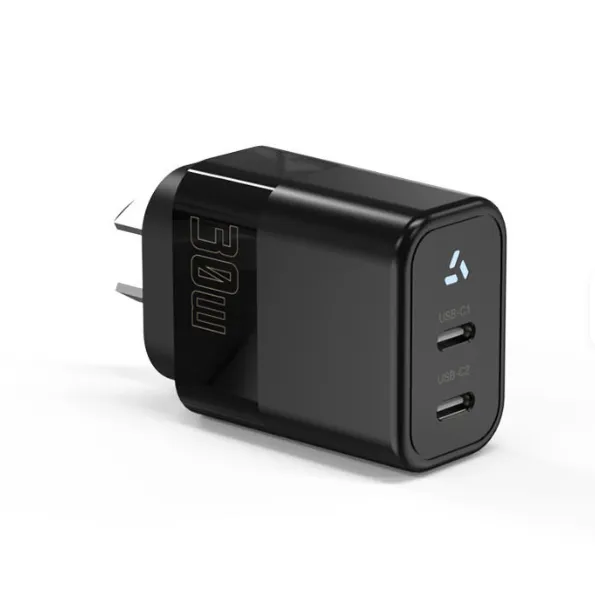
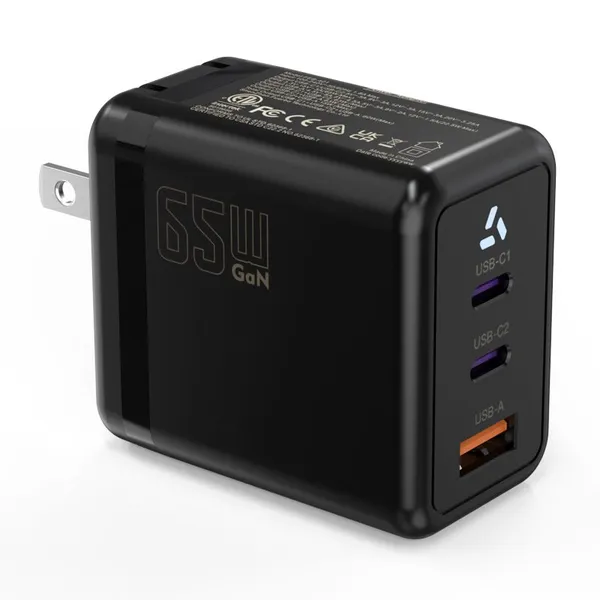
Compact 65W GaN USB-C Wall Charger With Dual USB-C Ports and USB-A Fast Charging Adapter With CE UKCA ETL SAAUS$ 10MOQ: 100 Pieces
-
QC3.0 Fast Charging Adapter PD30W USB-C USB-A GaN PD Fast Charger PD 3.0 GaN Charger Compact Wall Adapter for IPhone Samsung and IPadUS$ 3MOQ: 100 Pieces
-
12V 5A 60W US EU AC DC Adapter LED Driver LED SMPS AC to DC Switching Power SupplyUS$ 5 - 7MOQ: 50 Pieces
-
CE FCC CUL SAA KC PSE 24Vdc 48W Switching Power Supply AdaptersUS$ 5 - 7MOQ: 50 Pieces
-
CE GS UKCA SAA CUL Qualified Waterproof Switching Power Supply Ip68 PSE UL SAA GS 12V 2AUS$ 3 - 6MOQ: 50 Pieces
-
12V 1A Factory OEM Waterproof AC Adapter for Laser Light Table Lamp ac dc Adaptor With TUV CE GS for EU MarketUS$ 5 - 7MOQ: 50 Pieces