
 Business License
What Devices Use USB-C: A Power Adapter Buyer's Guide for OEM Brand Owners
When Marco's product team spec'd a 15W USB-A adapter for their new IoT gateway in early 2024, the choice seemed safe. USB-A had been the default for a decade. But by Q3, their largest distributor in Germany returned the entire pilot shipment. Every major retail chain in the EU had switched to USB-C-only shelf requirements. Marco's "safe" choice cost him a €200,000 launch window and six months of re-engineering.
If you're an OEM brand owner specifying power adapters or chargers today, USB-C is no longer a nice-to-have. It is the connector that now powers laptops, scooters, medical devices, and industrial equipment alike. Understanding what devices use USB-C matters. More importantly, you need to know what power profiles those devices demand. Get this wrong and your BOM cost balloons, your certification path extends, and your ship date slips.
This guide breaks down the full landscape of USB-C-powered devices from a power-supply perspective. You'll learn which device categories have already transitioned, what wattage ranges they require, and how to specify the right USB-C power adapter for your product roadmap. Whether you're building consumer electronics, e-mobility gear, or industrial equipment, the connector choice you make now will lock in your power architecture for years.
The USB-C Takeover: By the Numbers
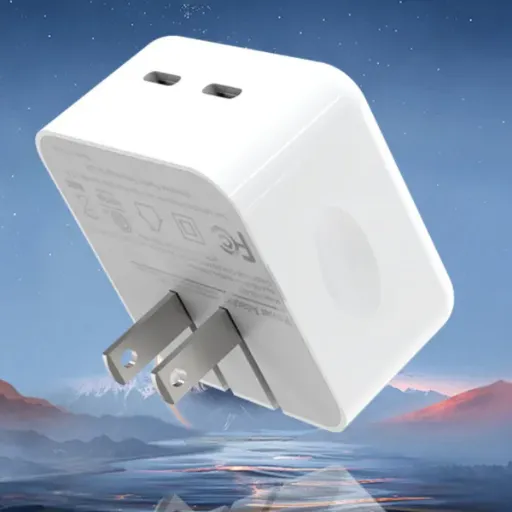
USB Type-C has become the dominant connector standard faster than any previous interface in consumer electronics history. As of 2025, over 70% of new consumer electronics devices ship with USB-C as the primary charging port.
The European Union's Radio Equipment Directive now mandates USB-C charging for smartphones, tablets, and cameras sold in the EU. California followed with similar legislation. Even Apple transitioned the iPhone to USB-C in 2023.
For power supply buyers, this shift matters beyond the physical connector. USB-C carries the USB Power Delivery (USB PD) protocol, which negotiates voltage and current dynamically between the charger and the device. A single USB-C port can deliver anywhere from 5V at 0.1A (0.5W) for a Bluetooth tracker up to 48V at 5A (240W) under the latest USB PD 3.1 Extended Power Range specification.
That range is both opportunity and risk. Specify the wrong profile and your adapter underpowers the device. Or worse, it ships with excess cost and size your competitors avoid.
Want to see how USB-C PD profiles map to real adapter specs? Explore our AC/DC power adapter range with USB-C output options from 15W to 100W.
Consumer Electronics: The Core USB-C Ecosystem
Consumer electronics were the first wave of USB-C adoption and remain the highest-volume segment. For OEM buyers, this is where economies of scale and certification reuse matter most.
Smartphones and Tablets
Smartphones are the single largest category of USB-C devices. Nearly every Android flagship and mid-range device now uses USB-C. Apple's iPhone 15 and later models also adopted the connector. Typical power requirements:
Standard charging: 5V at 2A (10W)
Fast charging: 9V at 2A (18W) or 9V at 3A (27W)
Premium fast charging: 12V at 3A (36W) or higher with proprietary protocols
Tablets follow similar patterns but with higher wattage. An iPad Pro charges at up to 30W. High-end Android tablets often accept 45W or more. The key specification for OEM buyers is the PDO, or Power Delivery Object profile, that the device advertises. A charger must support at least one matching PDO for the device to charge at maximum speed.
Laptops and Notebooks
The laptop transition to USB-C has been one of the most significant shifts in power adapter demand. Apple's MacBook lineup, Dell XPS, Lenovo ThinkPad, HP Spectre, ASUS ZenBook, and most Chromebooks now charge via USB-C.
Power requirements vary dramatically by device class:
| Device Class | Typical Wattage | USB PD Profile |
|---|---|---|
| Ultraportable / Chromebook | 30–45W | 15V at 2A or 3A |
| Mainstream laptop | 45–65W | 20V at 2.25A or 3.25A |
| Performance laptop | 65–100W | 20V at 3.25A or 5A |
| Workstation / gaming | 100–240W | 28V or 36V at 5A (PD 3.1 EPR) |
For OEM buyers building laptop accessories, docking stations, or replacement chargers, the 65W and 100W tiers are the most common targets. A 65W USB-C power adapter with proper PDO support can charge most mainstream laptops at full speed while also fast-charging tablets and phones.
Audio and Wearables
Wireless earbuds, over-ear headphones, and smartwatches increasingly use USB-C for charging. Wattage requirements are low, typically 5W to 15W, but the connector choice affects cable compatibility. Consumers now expect one cable to charge everything they own. Products that ship with micro-USB or proprietary connectors increasingly feel outdated at retail.
Ready to specify USB-C for your consumer electronics product? Request a free sample of our USB-C adapter lineup with your target PDO profile.
E-Mobility: USB-C Enters Scooters, E-Bikes, and Light EVs
E-mobility is the fastest-growing new category for USB-C power adoption, and it presents unique challenges for charger specification.
Electric Scooters and E-Bikes
Most electric scooters and e-bikes still use barrel connectors or proprietary plugs for their main battery chargers. However, USB-C is rapidly becoming the standard for auxiliary charging ports, battery management system (BMS) programming interfaces, and accessory power. Several emerging scooter brands now offer USB-C PD input for their removable battery packs at the 45W to 65W level.
For OEM buyers in the light EV space, the specification challenge is twofold:
Main charger: Remains a dedicated AC/DC charger (often 100W–300W+) with a connector matched to the pack
Auxiliary / travel charger: A USB-C PD adapter that charges a removable pack slowly through a secondary input
The auxiliary charger must still communicate safely with the pack's BMS. Even at lower wattage, voltage accuracy and CC-CV profile matching remain critical. A 54.6V Li-ion pack charged through a USB-C PD boost converter still needs the same voltage precision as a dedicated wall charger.
Portable Power Stations
Portable power stations and solar generators have widely adopted USB-C PD as both input and output. A 500Wh power station might accept 60W USB-C PD input for slow solar charging and output 100W USB-C PD to power a laptop in the field. These devices require bidirectional USB-C PD controllers, and the adapter spec must account for both source and sink behavior.
When Anenerge engineers work with e-mobility brands on USB-C integration, the first question is always the same: what is the pack voltage, and what is the acceptable charge current range? From there, we determine whether USB-C PD is suitable as a primary or auxiliary charging path.
IoT, Networking, and Smart Home Devices
The second wave of USB-C adoption is happening in devices that historically used barrel connectors or wall-wart adapters. For OEM buyers, this category offers significant BOM consolidation opportunities.
Routers, Modems, and Mesh Nodes
Networking equipment has begun transitioning to USB-C power, particularly in the mesh Wi-Fi and 5G CPE categories. Power requirements typically fall in the 15W to 30W range, well within standard USB-C PD capabilities.
The advantage for OEMs is supply chain simplification. A single 30W USB-C power adapter platform can power a router, a mesh node, and a range extender. The same adapter with interchangeable AC plugs can ship globally without region-specific SKUs. This is why major networking brands have moved their latest product generations to USB-C.
Security Cameras and NVRs
Security cameras have historically used barrel connectors or PoE (Power over Ethernet). Indoor Wi-Fi cameras are increasingly USB-C powered, typically at 5V 2A (10W) or 9V 2A (18W). The transition is driven by retail packaging requirements and consumer convenience.
For OEM buyers, the key specification is cable length. USB-C cable resistance matters at higher currents. A 10W camera at 5V draws 2A. Over a 3-meter cable, voltage drop can be significant. Specifying the right cable gauge, or choosing a 9V profile to reduce current, affects field reliability.
Smart Speakers and Displays
Smart speakers, smart displays, and countertop appliances increasingly use USB-C. Power ranges from 15W for compact speakers to 45W for smart displays with screens. The Google Nest Hub and Amazon Echo Show lines both transitioned to USB-C in recent generations, signaling where the market is headed.
Industrial, Medical, and Commercial Equipment
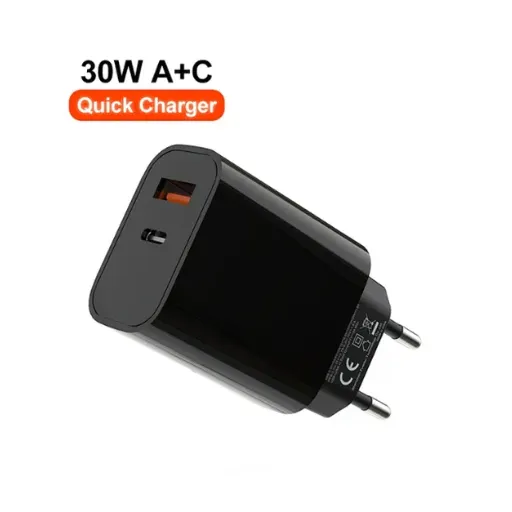
The third wave of USB-C adoption is the most demanding in terms of certification and reliability. Industrial and medical devices require more than a consumer-grade adapter.
Point-of-Sale and Kiosks
POS terminals, self-service kiosks, and digital signage players are transitioning to USB-C for both power and data. A modern POS terminal might use a single USB-C connection for power, touch data, and peripheral hub functionality.
Power requirements typically range from 30W to 65W. However, the operating environment matters. A POS terminal in a retail store runs 16 hours a day, 7 days a week.
The adapter must be rated for continuous duty, not just intermittent consumer use. Thermal management, efficiency, and mean time between failures (MTBF) become critical specifications.
Medical and Healthcare Devices
Portable medical devices, patient monitors, and diagnostic equipment are beginning to adopt USB-C, driven by the same standardization benefits as consumer electronics. However, medical devices face additional requirements:
IEC 60601-1 safety standard for medical electrical equipment
Isolation requirements between mains and patient-accessible circuits
Leakage current limits that are stricter than consumer adapters
A USB-C power adapter for medical use is not simply a consumer adapter with a different label. The design, testing, and certification path are distinct. Anenerge supports medical-grade adapter development with 4KVAC isolation, low leakage current design, and full IEC 60601-1 documentation.
Test and Measurement Equipment
Benchtop and handheld test equipment increasingly uses USB-C for power. A handheld multimeter might charge at 5W. A portable oscilloscope might require 45W. The common thread is that engineers in the field now expect to charge their test gear from the same USB-C power adapter as their laptop.
USB-C Power Delivery Profiles: What OEM Buyers Must Know
Understanding what devices use USB-C is only half the specification task. The other half is matching the device to the correct Power Delivery profile.
Standard Power Range (SPR): Up to 100W
USB PD 3.0 and earlier define the Standard Power Range with these fixed voltage levels:
| Voltage | Max Current | Max Power | Typical Use |
|---|---|---|---|
| 5V | 3A | 15W | Phones, wearables, small IoT |
| 9V | 3A | 27W | Phones, tablets, small laptops |
| 12V | 3A | 36W | Tablets, ultrabooks, monitors |
| 15V | 3A | 45W | Laptops, portable power stations |
| 20V | 3A | 60W | Standard laptops |
| 20V | 5A | 100W | Performance laptops, workstations |
The device and adapter negotiate the highest mutually supported profile. If the adapter only offers 5V and 9V but the device requests 20V, the device charges at 9V (or 5V as fallback), significantly slower than intended.
Extended Power Range (EPR): Up to 240W
USB PD 3.1 introduced the Extended Power Range for high-wattage devices:
| Voltage | Max Current | Max Power | Typical Use |
|---|---|---|---|
| 28V | 5A | 140W | Gaming laptops, high-performance workstations |
| 36V | 5A | 180W | Industrial equipment, high-power appliances |
| 48V | 5A | 240W | Maximum spec, emerging applications |
EPR requires active cable management (the cable itself contains an e-marker chip that identifies its current rating). OEM buyers specifying EPR adapters must also specify EPR-rated cables, adding cost and complexity.
Programmable Power Supply (PPS)
PPS is a USB PD feature that allows the device to request small voltage steps (20mV increments) within a range. This enables more precise battery charging, reducing heat and extending cell life. Samsung's fast charging and several other proprietary protocols use PPS.
For OEM buyers, PPS support adds value for products with internal batteries. It also adds firmware complexity to the adapter. Specify PPS only when the target device actively uses it.
Specifying USB-C Power Adapters for Production: A Checklist
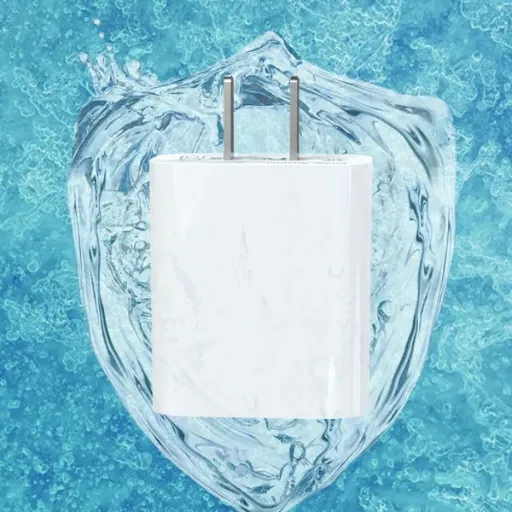
When you're ready to specify a USB-C power adapter for your product, here is the verification checklist our engineering team recommends:
Confirm the target device's PDO requirements. Request the device's USB PD sink capability document from your hardware team or chip vendor. Know exactly which voltage/current combinations the device expects.
Match the wattage tier. Don't overspecify. A device that maxes at 18W doesn't need a 65W adapter. Overspecification adds cost, size, and thermal complexity.
Verify cable requirements. EPR and 5A profiles require e-marked cables. Include cable specification in your BOM and sourcing plan.
Plan for certification. USB-C adapters still require full safety certification (UL, CE, CCC, etc.) in your target markets. The USB-IF certification is separate and voluntary but recommended for consumer products.
Consider efficiency standards. DOE Level VI applies to USB-C adapters in the U.S. ErP Tier V applies in the EU. Low no-load power matters for devices that stay plugged in continuously.
Specify connector orientation and strain relief. USB-C is reversible, but the cable exit direction and connector housing dimensions affect your product's industrial design. Provide mechanical drawings early.
Plan for regional plug variations. A single adapter platform with interchangeable AC plugs (U.S., EU, UK, AU) reduces SKU count. Verify your supplier supports this configuration.
What Anenerge Provides for USB-C Adapter Programs
We manufacture USB-C power adapters across the full SPR range, from 15W to 100W, with PPS support available on request. Our standard offering includes:
Voltage options: 5V, 9V, 12V, 15V, 20V with selectable PDO profiles
Power ratings: 18W, 30W, 45W, 65W, 100W
Form factors: Wall-mount, desktop, and interchangeable plug configurations
Certifications: CE, FCC, UL, CCC, DOE Level VI, ErP Tier V
OEM customization: Custom PDO profiles, branded housings, custom cable lengths, and private-label packaging
Our engineering team validates every USB-C adapter design against the USB-IF compliance test specification before production. For custom profiles, we share the PDO configuration and test results for your validation before samples ship.
From 500-unit pilot orders to 500,000-unit annual programs, our USB-C adapter platform scales with your product roadmap. Contact our engineering team with your target PDO profile, and we'll return a specification proposal within 24 hours.
Key Takeaways
USB-C now powers virtually every device category, from 5W earbuds to 240W workstations. The connector is no longer optional for new product designs.
Consumer electronics, laptops, and IoT devices lead adoption. E-mobility, industrial, and medical equipment are following rapidly.
USB Power Delivery profiles (5V, 9V, 12V, 15V, 20V, and EPR) define what an adapter must deliver. Mismatched profiles mean slow charging or non-functional devices.
OEM buyers should specify PDO requirements precisely, avoid overspecification, and plan certification and cable requirements early in the design cycle.
Efficiency standards (DOE Level VI, ErP Tier V) apply to USB-C adapters just as they do to barrel-connector adapters.
The shift to USB-C is not a trend. It is an infrastructure change. OEM brand owners who align their power adapter strategy with USB-C PD now will avoid the re-engineering cycles, returned shipments, and missed launch windows that await those who delay.
Recently Posted
-
Why Is My Phone Charging Slowly? Causes and Fixes
June 22, 2026At 7:45 a.m., Maya plugged her phone into the charger she grabbed from the hotel nightstand. By 8:30, the battery had climbed from Read More
 -
Fast Charging vs Normal Charging: OEM Engineering Guide
June 22, 2026Last year, a European e-bike brand shipped 5,000 units with a 4A fast charger as a premium upgrade. Six months later, their warran Read More
 -
How to Make Charging Faster: A Technical Guide for OEM Brand Owners
June 22, 2026When Elena, product manager at a Rotterdam e-bike brand, launched her 48V commuter line in spring 2026, she thought 6 hours on a s Read More
 -
Does Fast Charging Damage Battery? What OEM Buyers Need to Know
June 22, 2026Yes, fast charging can damage batteries when current exceeds the cell's thermal and electrochemical limits. The damage shows u Read More

Contact Us
Recommended Products
-
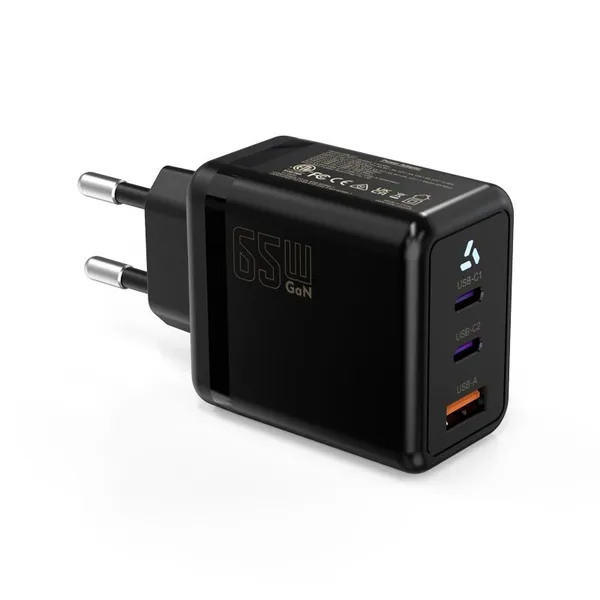
 65W USB-C GaN Wall Charger PD Fast Charging Adapter EU US Plug for Laptop Smartphone and TravelUS$ 6MOQ: 100 Pieces
 -
45W GaN USB-C Fast Charger JP Plug PD Wall Charging Adapter for IPhone MacBook and TabletsUS$ 8MOQ: 100 Pieces
-
QC3.0 30W USB Fast Charger With 18W Quick Charge Wall Adapter for Android and Mobile DevicesUS$ 4MOQ: 100 Pieces
-
Compact 18W Quick Charge 3.0 USB Charger 30W Fast Charging Adapter EU US Plug for TravelUS$ 2MOQ: 100 Pieces
-
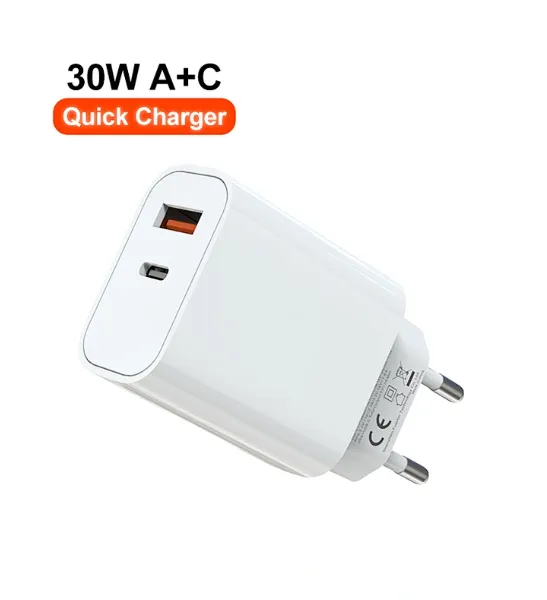
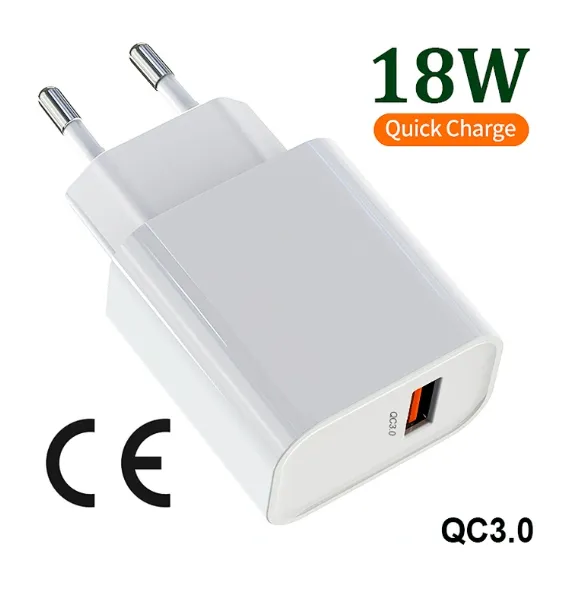
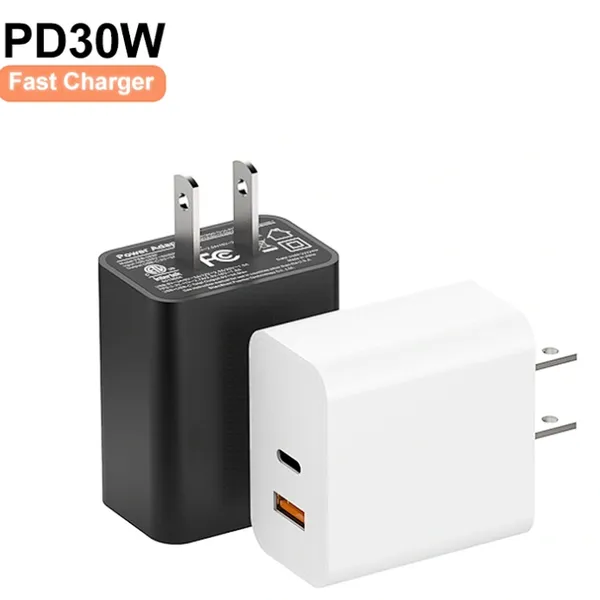
30W USB-C and USB-A PD Fast Charger Compact Wall Adapter for IPhone Samsung and IPadUS$ 3MOQ: 100 Pieces
-
35W Dual USB-C PD Charger Fast Charging Adapter for IPhone Samsung IPad and USB-C DevicesUS$ 3MOQ: 100 Pieces
-
65W USB-C GaN Charger EU Plug Fast Charging Adapter 65W USB-C PD Fast Charge Wall Charger Power Adapter for Macbook ProUS$ 5MOQ: 100 Pieces
-
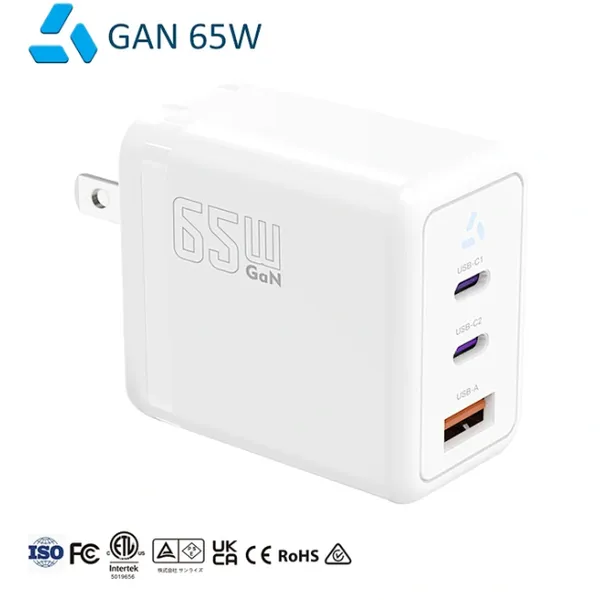
65W GaN USB-C Fast Charger PD Wall Charging Adapter for Laptop IPhone and Mobile DevicesUS$ 5MOQ: 100 Pieces
-
100W GaN USB-C Fast Charger With PD 3.0 for Laptop, MacBook, IPhone & Multi-Device ChargingUS$ 12MOQ: 100 Pieces
-
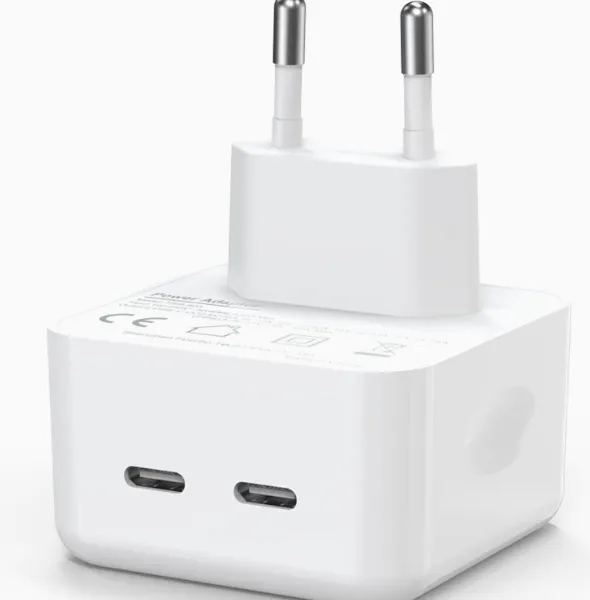
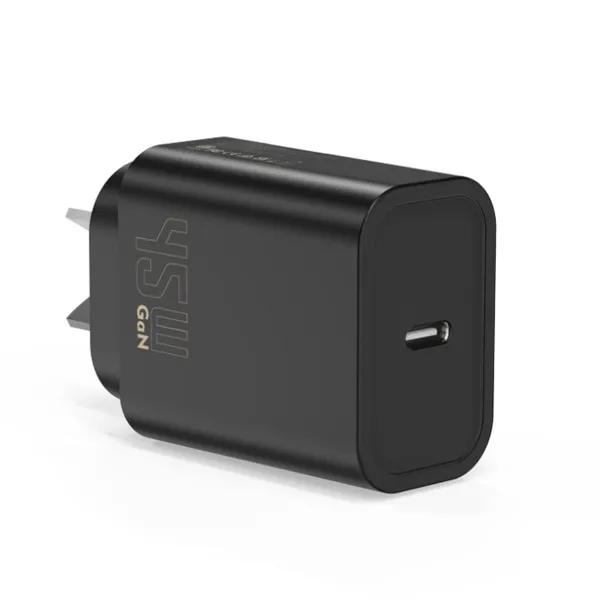
45W GaN USB-C Fast Charger EU AU PD Fast Wall Charging Adapter for IPhone Tablets With CE REACH PassedUS$ 8MOQ: 100 Pieces
-
QC3.0 65W GaN USB C Super Fast Charger With UKCA 3 Ports PD 3.0 GaN Charger for Iphone Macbook SamsungUS$ 10MOQ: 100 Pieces
-
30W USB-C and USB-A GaN QC3.0 Fast Charging Adapter PD Fast Charger Compact Wall Adapter for IPhone Samsung and IPadUS$ 3MOQ: 100 Pieces
-
45W GaN USB-C Fast Charger With Dual Type-C and USB-A Ports PD Wall Charging AdapterUS$ 8MOQ: 100 Pieces
-
Dual USB C Ports QC3.0 30W Fast Charger With EU UK AU US USB-C PD Wall Chargeer 30W PD Power AdapterUS$ 3MOQ: 100 Pieces
-
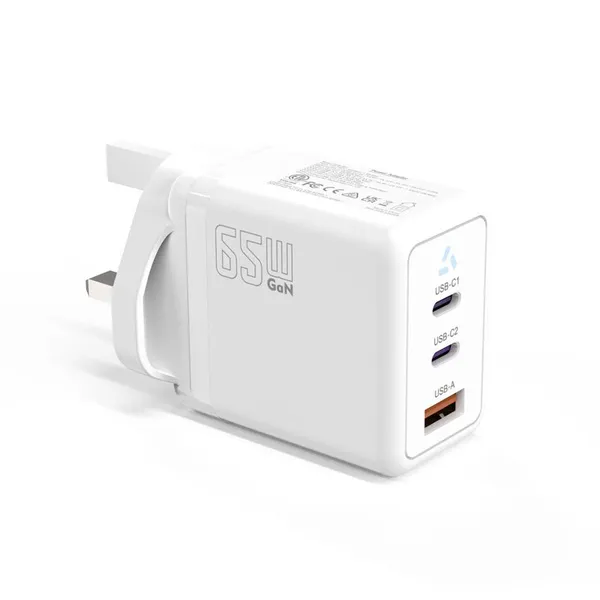
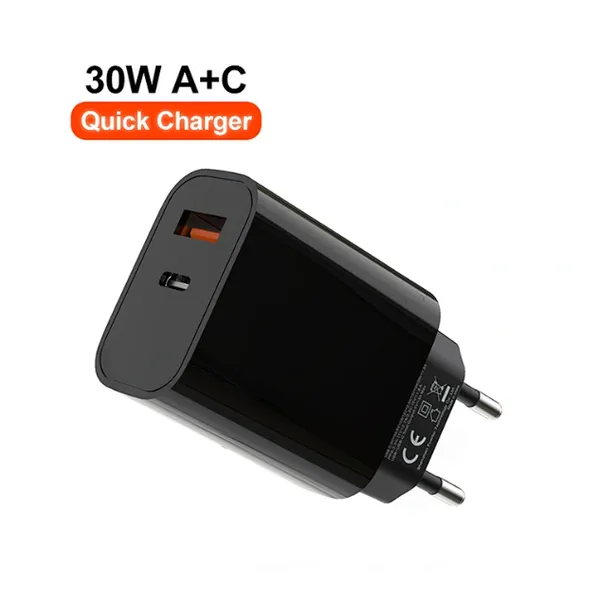
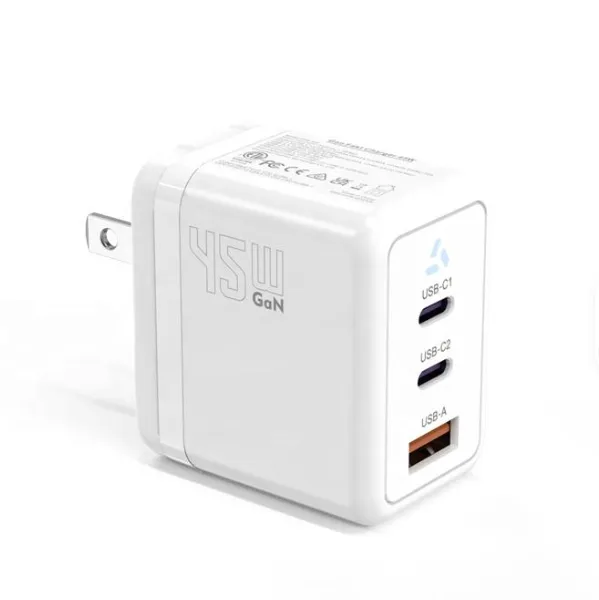
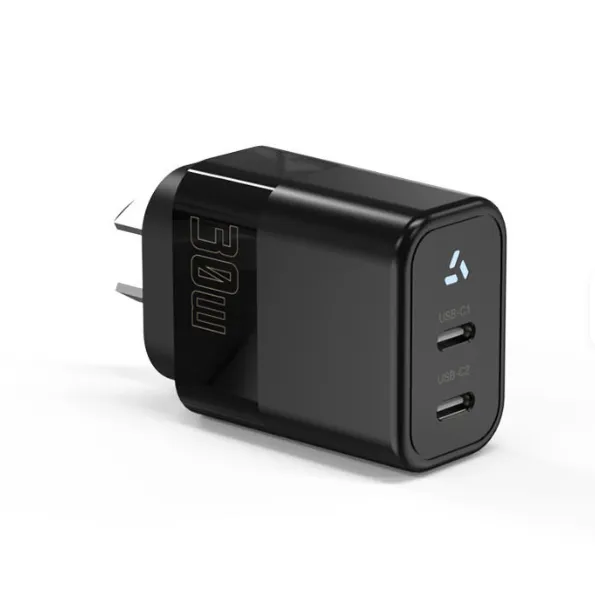
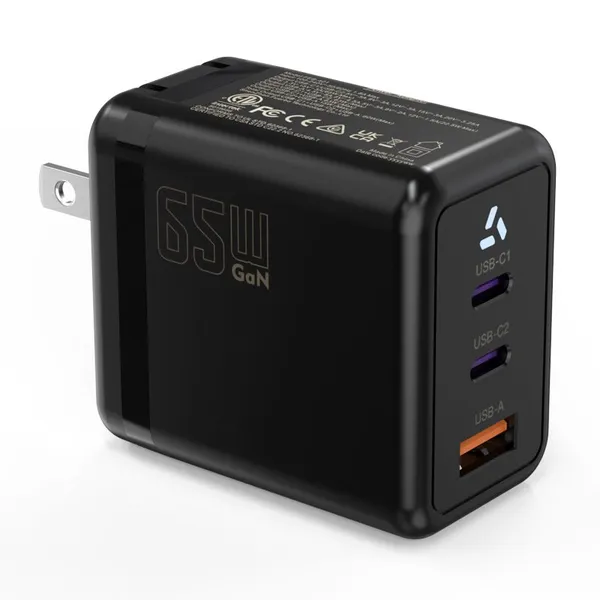
Compact 65W GaN USB-C Wall Charger With Dual USB-C Ports and USB-A Fast Charging Adapter With CE UKCA ETL SAAUS$ 10MOQ: 100 Pieces
-
QC3.0 Fast Charging Adapter PD30W USB-C USB-A GaN PD Fast Charger PD 3.0 GaN Charger Compact Wall Adapter for IPhone Samsung and IPadUS$ 3MOQ: 100 Pieces
-
12V 5A 60W US EU AC DC Adapter LED Driver LED SMPS AC to DC Switching Power SupplyUS$ 5 - 7MOQ: 50 Pieces
-
CE FCC CUL SAA KC PSE 24Vdc 48W Switching Power Supply AdaptersUS$ 5 - 7MOQ: 50 Pieces
-
CE GS UKCA SAA CUL Qualified Waterproof Switching Power Supply Ip68 PSE UL SAA GS 12V 2AUS$ 3 - 6MOQ: 50 Pieces
-
12V 1A Factory OEM Waterproof AC Adapter for Laser Light Table Lamp ac dc Adaptor With TUV CE GS for EU MarketUS$ 5 - 7MOQ: 50 Pieces