
 Business License
Does Fast Charging Damage Batteries? A Technical Guide for OEM Product Teams
When Lars, a product manager at a Rotterdam e-bike brand, launched his flagship model with a 6A fast charger in early 2025, the marketing team celebrated. "Charge to 80% in 90 minutes" became the headline feature. Twelve months later, warranty returns started climbing. Not from motor failures. Not from frame cracks. From batteries that had lost 40% of their rated capacity — well inside the warranty window.
The charger wasn't defective. The cells weren't substandard. The charge current was simply too aggressive for the daily usage pattern of the average rider. Fast charging, when mismatched to cell chemistry and end-user behavior, quietly erodes the asset your customers paid the most for.
This article examines whether fast charging damages batteries, how fast is too fast for different chemistries, and what OEM buyers should specify when sourcing chargers. We balance charge speed with cell longevity, drawing on published cell research and field data from our own production lines.
How Fast Charging Actually Works
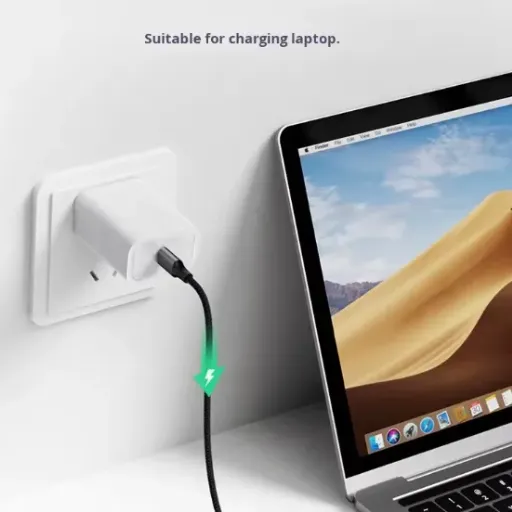
Fast charging isn't a feature built into the battery. It's a function of charger output current and the cell's ability to accept that current without crossing thermal or electrochemical thresholds.
In a standard CC-CV charge cycle, the constant-current (CC) phase is where "fast" happens. The charger pushes its rated current — say 5A — into the pack while voltage climbs toward the cutoff. Once the pack reaches the target voltage (54.6V for a 15S LiFePO4 pack, for example), the charger switches to constant-voltage (CV) mode. Current then tapers naturally as the pack approaches full charge.
The speed of the CC phase depends on one number: the C-rate. A 1C charge rate means the current in amps equals the pack capacity in amp-hours. A 20Ah pack charging at 20A is at 1C. At 10A, it is 0.5C. At 5A, it is 0.25C.
Here's where engineering judgment matters. Cell manufacturers publish a maximum charge C-rate in their datasheets. For many LiFePO4 cells, that maximum is 1C. For standard NMC lithium-ion cells, it often ranges from 0.5C to 1C.
But maximum doesn't mean optimal. It means the cell won't immediately fail. The gap between "won't fail today" and "will last 2,000 cycles" is where OEM product teams either win or lose.
Engineering note: A charger rated at 10A doesn't force 10A into the pack. The battery management system (BMS) and cell chemistry together determine how much current actually flows. But if the charger is capable of more current than the cells should accept, and the BMS current limit is set loosely, the cells absorb the stress.
What the Research Says About Battery Degradation
The academic literature on fast charging and cell degradation is extensive, and the conclusions are consistent. Higher charge currents accelerate capacity fade and increase internal resistance over time.
A 2021 study in the Journal of Power Sources tested NMC lithium-ion cells at charge rates from 0.5C to 3C. After 500 cycles, cells charged at 2C retained only 65% of initial capacity. Cells at 0.5C retained over 85%.
The mechanism is well understood. Higher current causes lithium plating on the anode surface, thickens the solid electrolyte interphase (SEI) layer, and generates heat that accelerates unwanted chemical reactions.
Temperature is the multiplier. A cell charging at 1C at 25°C behaves very differently from the same cell at 45°C. For every 10°C increase above room temperature, chemical degradation roughly doubles.
Fast charging generates heat. Heat compounds the damage. Enclosed battery packs — like those in e-bike frames or scooter decks — often lack the airflow to shed that heat effectively.
Mini-story: In 2024, a scooter-sharing operator in Southeast Asia approached us with a field-failure problem. Their fleet used 2C chargers to minimize vehicle downtime. After 14 months, average pack capacity had dropped to 72% of rated. Our lab analysis showed two failure modes working together: elevated average charge temperature (48°C due to tropical ambient conditions) and lithium plating detectable by increased internal resistance. Switching to 0.5C chargers extended charge time by 90 minutes but restored cycle-life projections to manufacturer specifications. The operator accepted the trade-off.
The takeaway isn't that fast charging is universally harmful. It's that fast charging without thermal management, chemistry-appropriate current limits, and usage-pattern awareness will shorten battery life in measurable, warranty-relevant ways.
Chemistry Matters: LiFePO4 vs Li-ion vs Lead-Acid
Not all batteries respond to fast charging the same way. The chemistry you specify for your product determines how aggressively you can charge, and what the longevity trade-offs look like.
LiFePO4 (Lithium Iron Phosphate)
LiFePO4 cells tolerate higher charge currents than standard Li-ion chemistries. The olivine crystal structure is more stable under stress, and the lower nominal voltage (3.2V vs 3.6–3.7V) reduces certain degradation pathways.
Most LiFePO4 cell manufacturers specify 1C as the maximum charge rate. In practice, OEMs targeting 2,000+ cycle life typically specify 0.2C to 0.5C for daily charging. The e-bike and scooter brands we work with most often settle on 0.2C–0.3C as the sweet spot between user convenience and pack longevity.
| Charge Rate | 20Ah LiFePO4 Pack | Charge Time (CC Phase) | Typical OEM Use Case |
|---|---|---|---|
| 0.2C | 4A | ~5 hours | Standard overnight e-bike charger |
| 0.3C | 6A | ~3.3 hours | Fast e-bike / scooter charger |
| 0.5C | 10A | ~2 hours | Commercial / fleet fast charger |
| 1.0C | 20A | ~1 hour | Maximum rate, shorter cycle life |
LiFePO4 also tolerates sustained float charging better than Li-ion, which matters for applications like energy storage where the charger may remain connected for long periods.
Standard Lithium-ion (NMC, NCA)
NMC (nickel manganese cobalt) and NCA (nickel cobalt aluminum) cells are more energy-dense than LiFePO4, but they are also more sensitive to fast charging. Most manufacturers recommend 0.5C as the standard charge rate and 1C as the absolute maximum.
At charge rates above 0.5C, NMC cells show accelerated degradation, especially if the charge isn't temperature-compensated. Many consumer electronics OEMs accept this trade-off because product replacement cycles are short (2–3 years). E-mobility OEMs with 5-year warranty obligations can't afford the same compromise.
Lead-Acid (SLA, AGM)
Lead-acid batteries charge slowly by nature. A standard charge rate for AGM is 0.1C to 0.2C. Pushing current beyond 0.3C causes excessive gassing, water loss in flooded cells, and thermal runaway risk. Fast charging is not a meaningful concept for lead-acid in the way it is for lithium chemistries.
How Charger Design Mitigates Fast Charging Damage
The charger is your first line of defense against battery degradation. A well-designed charger doesn't simply push current until the pack is full. It manages the charge profile in ways that protect cell chemistry.
Temperature Compensation
A charger with temperature compensation adjusts its output voltage based on pack temperature. At cold temperatures, it reduces voltage to prevent lithium plating. At elevated temperatures, it reduces voltage to slow degradation reactions. This feature is critical for outdoor applications like e-bikes and scooters where packs experience wide temperature swings.
Anenerge chargers with NTC thermistor monitoring sample pack temperature every 50ms and adjust the CC-CV curve accordingly. For outdoor applications, we strongly recommend specifying temperature-compensated chargers.
Taper Current Control
The termination threshold — when the charger decides the pack is full — affects longevity. Ending the charge at 0.05C (5% of pack capacity) is the industry standard for LiFePO4. Holding the pack at full voltage with a maintenance current that is too high keeps cells in a high-stress state.
CC-CV Accuracy
Voltage accuracy during the CV phase matters more at fast charge rates. A charger with ±1% voltage error at 54.6V can overcharge a 15S LiFePO4 pack by 0.5V. At 0.2C, that error is tolerable. At 1C, the same error pushes more current through an already stressed cell, compounding the damage.
Anenerge LiFePO4 chargers maintain output voltage within ±0.5% across load and temperature. Current regulation stays within ±3%. These tolerances become more important, not less, as charge rates increase.
Pre-Charge and Recovery
Deeply discharged packs (below 2.0V per cell for LiFePO4, below 2.5V for Li-ion) shouldn't receive full charge current immediately. A smart charger begins with a low-current pre-charge phase, then ramps to full CC current only after cells stabilize. This prevents the anode from absorbing lithium too quickly when the electrolyte is depleted.
Mini-story: A router OEM we partnered with in 2023 had a unique problem. Their backup battery packs sat at low state of charge for months, then needed fast recovery when grid power failed. Standard chargers applied full current to cold, depleted cells. Warranty returns climbed.
We designed a custom charger with a three-stage profile: 0.05C pre-charge until 3.0V/cell, 0.3C CC phase to cutoff, then 0.05C termination. Recovery time increased by 20 minutes. Cell-failure rate dropped by 80%. The product manager's warranty reserve estimate fell by half.
What OEM Buyers Should Specify to Protect Battery Life
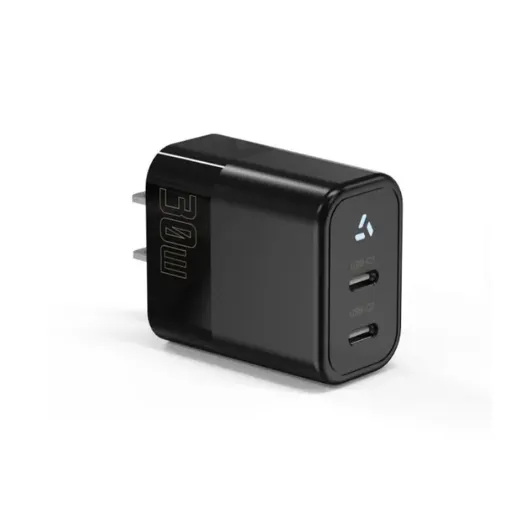
If you are sourcing chargers for a product with a battery warranty, the charge rate you specify directly affects your warranty exposure. Here is what to define before requesting quotes from any charger manufacturer.
1. Target Cycle Life
Start with the end in mind. If your product warranty covers 1,000 cycles, specify a charge rate that the cell manufacturer confirms will deliver that life under your expected usage pattern. Don't guess. Ask the cell vendor for cycle-life data at your proposed C-rate.
2. Charge Time Requirement
Be honest about what end users actually need, not what marketing wants. An e-bike charged overnight does not need a 1C charger. A scooter in a commercial sharing fleet might. Match the charge rate to the real use case, then communicate the trade-off to your product team.
3. Operating Temperature Range
Specify the ambient temperature range where your product will charge. A charger for Dubai needs different thermal compensation than a charger for Oslo. If your pack will regularly charge above 35°C ambient, derate the charge current or specify active cooling.
4. CC-CV Profile Parameters
Document the exact charge profile you expect:
CC current (in amps or C-rate)
CV cutoff voltage (per cell and total pack)
Termination current (typically 0.05C)
Float behavior (disconnect, maintain, or trickle)
A reputable charger manufacturer will validate this profile against your spec before building samples. If a supplier cannot produce a charge curve, find one that can.
5. Safety Protections
Production-grade chargers must include:
Over-voltage protection (OVP)
Over-current protection (OCP)
Short-circuit protection (SCP)
Over-temperature protection (OTP)
Reverse-polarity protection
3KVAC isolation
These are baseline requirements under IEC 62368 and UL 62368-1, not optional extras.
6. Certifications for Your Markets
Your charger needs the right marks for where you ship:
U.S.: UL listed (UL 62368-1), FCC Part 15, DOE Level VI
EU: CE marked (EN 62368-1, EN 55032/35), ErP Tier V
UK: UKCA marked
Australia: SAA / RCM
International: CB Scheme
Verify the supplier has current test reports with traceable numbers. Old reports from different designs do not transfer.
Want to see how a chemistry-matched charger protects your packs? Browse our LiFePO4 battery charger range with CC-CV profiles tuned for 12V to 72V configurations.
The Real Cost of Getting It Wrong
It's tempting to treat the charger as a commodity — the cheapest component that checks a specification box. But the charger is the component that interacts with your battery every single day. A mismatched charger slowly destroys the most expensive part of your product.
Consider the math. A $45 battery pack that loses 30% of capacity in 18 months instead of 60 months generates a warranty claim. A $12 charger that prevents that degradation pays for itself three times over on the first avoided return. The math heavily favors specifying the right charger upfront.
Mini-story: In 2022, a German e-mobility brand sourced chargers from a low-cost supplier for their 48V LiFePO4 e-bike line. The chargers were electrically functional but lacked temperature compensation and held a maintenance current above 0.05C.
After 18 months, field data showed average capacity retention of 78% — below the 80% warranty threshold. The brand faced a recall decision: replace 4,200 battery packs or re-specify the charger and absorb the reputation cost. They chose to redesign the charger, switch to a temperature-compensated model with proper taper control, and honor the warranty.
The new charger cost $4 more per unit. The avoided future exposure was estimated at $180,000.
The charger isn't where you save money. It's where you protect the investment your customer made in your product.
How Anenerge Approaches Charge Rate and Battery Protection
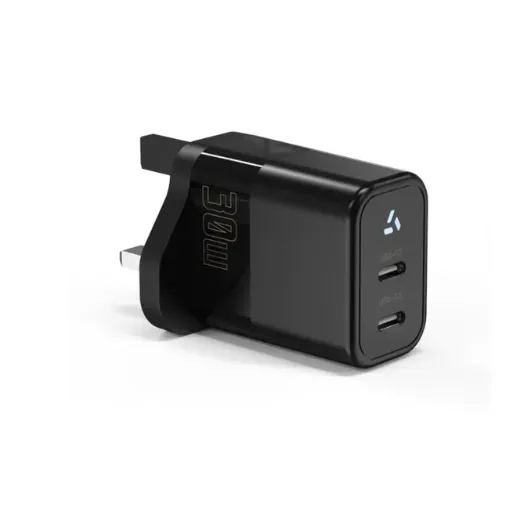
We have manufactured chargers for LiFePO4, Li-ion, and lead-acid chemistries since 2008. Every OEM project begins with the same question: what cycle life does your warranty require?
Our process:
Collect your cell specification and target cycle life
Propose a CC-CV profile with charge rate, cutoff voltage, and termination current matched to your chemistry
Share the charge curve before you commit to samples
Build engineering samples within two weeks for validation
Produce with 100% functional and high-voltage isolation testing on every unit
Ship with current certification documents and traceable test reports
Our LiFePO4 chargers cover 12V to 72V outputs with current options from 2A to 20A. We support OEM customization of charge profiles, connectors, labeling, and packaging — so your charger matches your battery, your brand, and your warranty obligations.
Ready to protect your battery packs with the right charge profile? Request a free engineering sample and we will return a proposed CC-CV curve within 24 hours.
Conclusion
Does fast charging damage batteries? The answer is conditional. Fast charging accelerates degradation when the charge rate exceeds what the cell chemistry can tolerate, when temperature is unmanaged, and when the charger lacks precision control. Under those conditions, capacity fade is not a possibility — it is a certainty with a predictable timeline.
For OEM product teams, the right approach is quantitative, not emotional:
Match charge rate to cell datasheet limits and your warranty cycle target
Specify temperature compensation for variable or outdoor environments
Demand charge-curve documentation from your charger supplier before ordering
Treat the charger as a battery protection device, not a cost-minimization exercise
The brands that get this right — the ones that specify chargers as carefully as they specify cells — are the ones that avoid warranty surprises and build long-term customer trust.
If you are designing an e-bike, scooter, energy storage system, or any product with a rechargeable battery, the next step is straightforward. Send us your cell specification, your target charge time, and your operating temperature range. Our engineering team will propose a CC-CV profile that balances speed with the longevity your warranty demands.
Recently Posted
-
Why Is My Phone Charging Slowly? Causes and Fixes
June 22, 2026At 7:45 a.m., Maya plugged her phone into the charger she grabbed from the hotel nightstand. By 8:30, the battery had climbed from Read More
 -
Fast Charging vs Normal Charging: OEM Engineering Guide
June 22, 2026Last year, a European e-bike brand shipped 5,000 units with a 4A fast charger as a premium upgrade. Six months later, their warran Read More
 -
How to Make Charging Faster: A Technical Guide for OEM Brand Owners
June 22, 2026When Elena, product manager at a Rotterdam e-bike brand, launched her 48V commuter line in spring 2026, she thought 6 hours on a s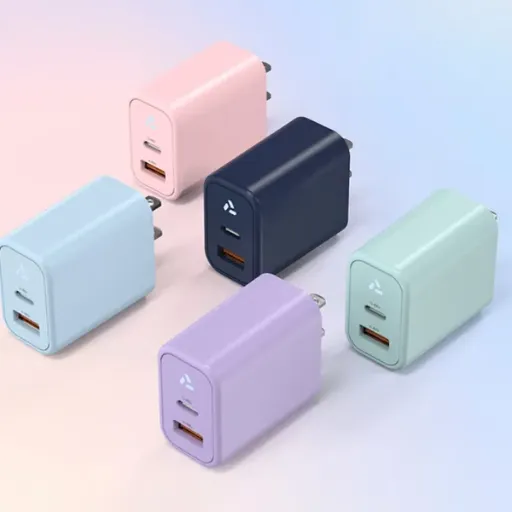 Read More
 -
Does Fast Charging Damage Battery? What OEM Buyers Need to Know
June 22, 2026Yes, fast charging can damage batteries when current exceeds the cell's thermal and electrochemical limits. The damage shows u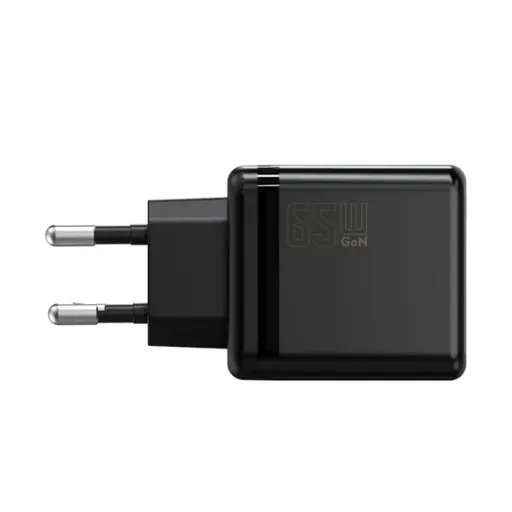 Read More

Contact Us
Recommended Products
-
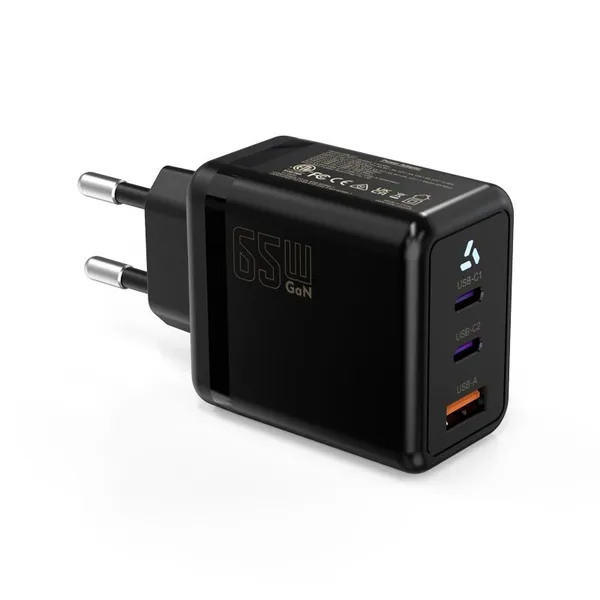
 65W USB-C GaN Wall Charger PD Fast Charging Adapter EU US Plug for Laptop Smartphone and TravelUS$ 6MOQ: 100 Pieces
 -
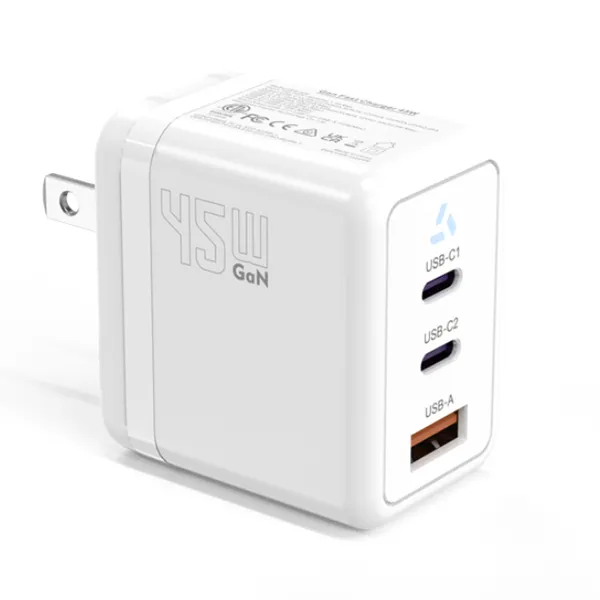
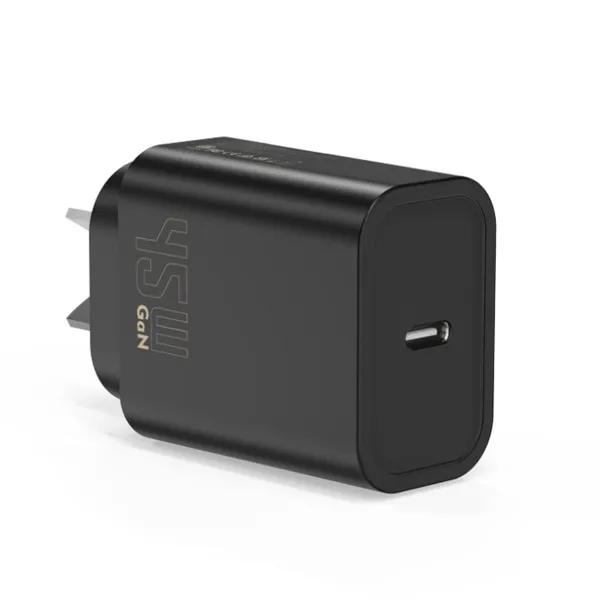
45W GaN USB-C Fast Charger JP Plug PD Wall Charging Adapter for IPhone MacBook and TabletsUS$ 8MOQ: 100 Pieces
-
QC3.0 30W USB Fast Charger With 18W Quick Charge Wall Adapter for Android and Mobile DevicesUS$ 4MOQ: 100 Pieces
-
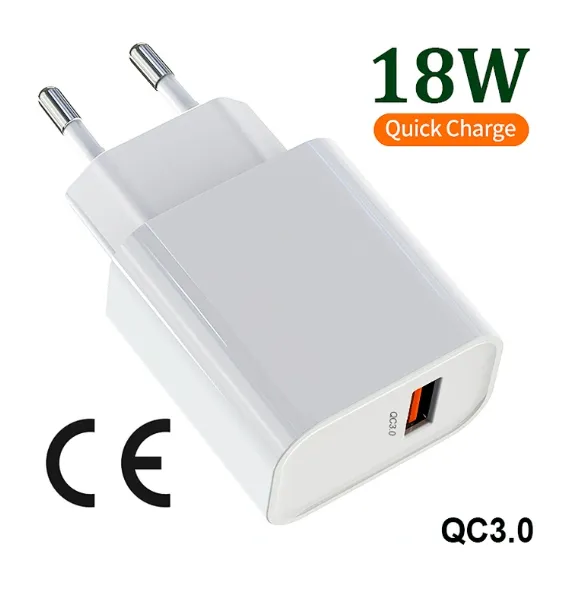
Compact 18W Quick Charge 3.0 USB Charger 30W Fast Charging Adapter EU US Plug for TravelUS$ 2MOQ: 100 Pieces
-
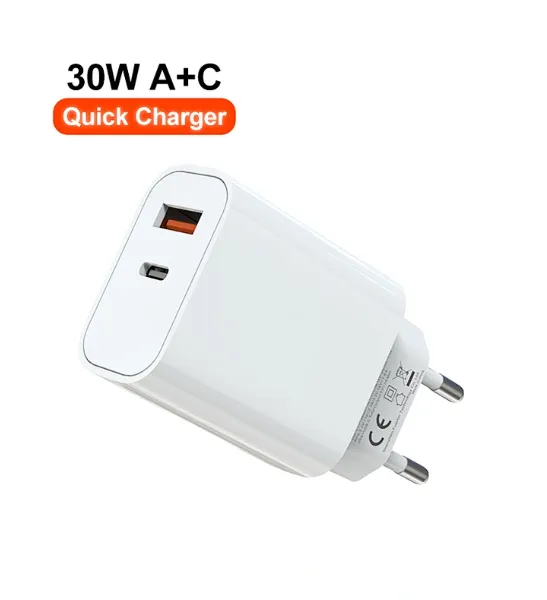
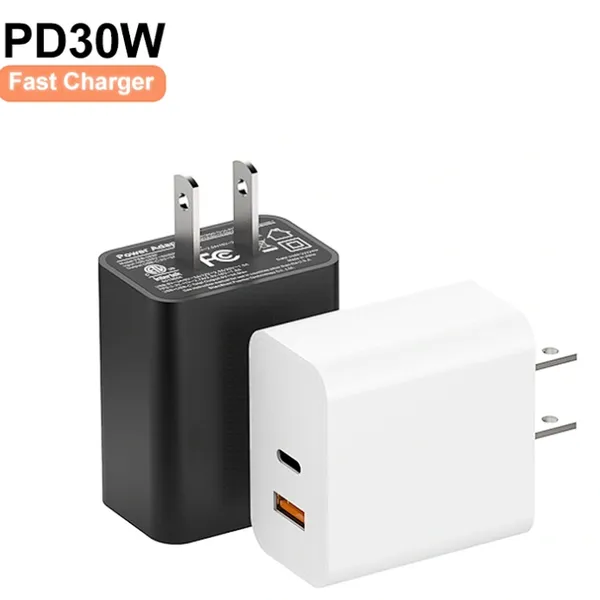
30W USB-C and USB-A PD Fast Charger Compact Wall Adapter for IPhone Samsung and IPadUS$ 3MOQ: 100 Pieces
-
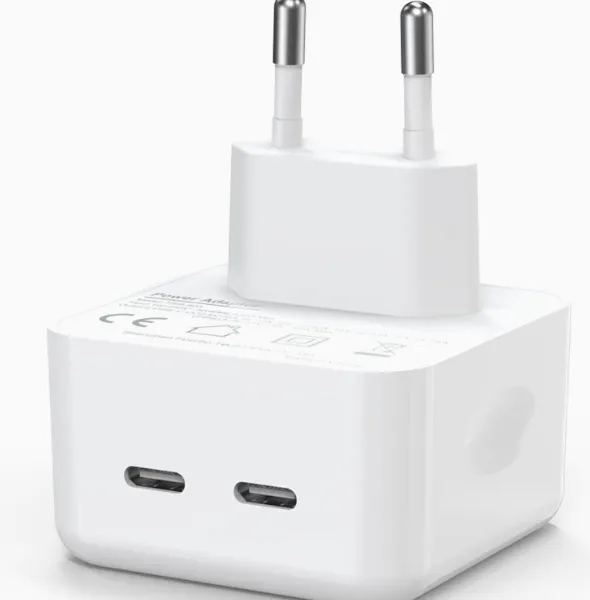
35W Dual USB-C PD Charger Fast Charging Adapter for IPhone Samsung IPad and USB-C DevicesUS$ 3MOQ: 100 Pieces
-
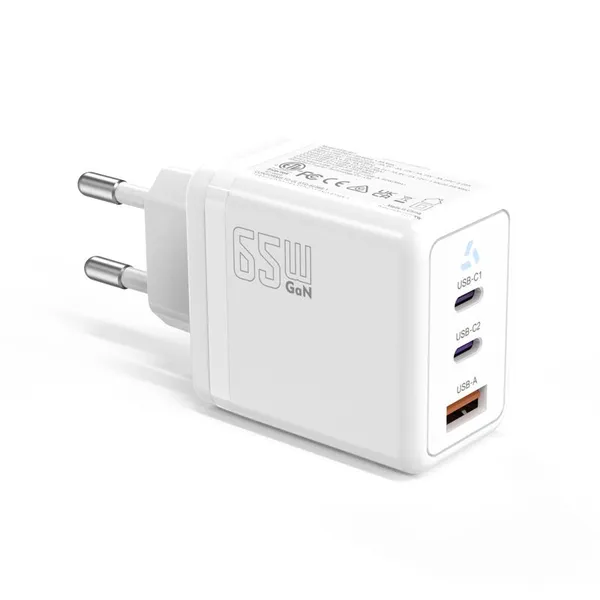
65W USB-C GaN Charger EU Plug Fast Charging Adapter 65W USB-C PD Fast Charge Wall Charger Power Adapter for Macbook ProUS$ 5MOQ: 100 Pieces
-
65W GaN USB-C Fast Charger PD Wall Charging Adapter for Laptop IPhone and Mobile DevicesUS$ 5MOQ: 100 Pieces
-
100W GaN USB-C Fast Charger With PD 3.0 for Laptop, MacBook, IPhone & Multi-Device ChargingUS$ 12MOQ: 100 Pieces
-
45W GaN USB-C Fast Charger EU AU PD Fast Wall Charging Adapter for IPhone Tablets With CE REACH PassedUS$ 8MOQ: 100 Pieces
-
QC3.0 65W GaN USB C Super Fast Charger With UKCA 3 Ports PD 3.0 GaN Charger for Iphone Macbook SamsungUS$ 10MOQ: 100 Pieces
-
30W USB-C and USB-A GaN QC3.0 Fast Charging Adapter PD Fast Charger Compact Wall Adapter for IPhone Samsung and IPadUS$ 3MOQ: 100 Pieces
-
45W GaN USB-C Fast Charger With Dual Type-C and USB-A Ports PD Wall Charging AdapterUS$ 8MOQ: 100 Pieces
-
Dual USB C Ports QC3.0 30W Fast Charger With EU UK AU US USB-C PD Wall Chargeer 30W PD Power AdapterUS$ 3MOQ: 100 Pieces
-
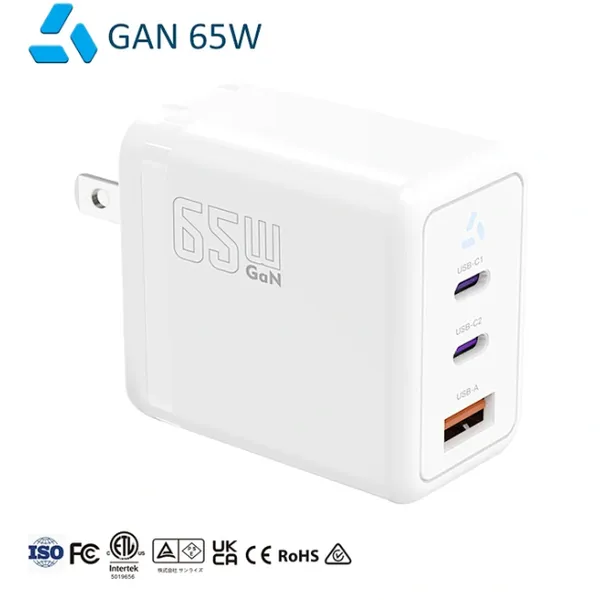
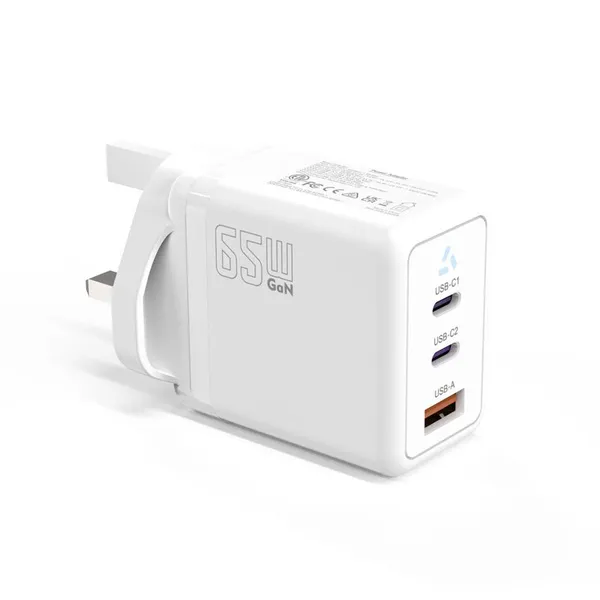
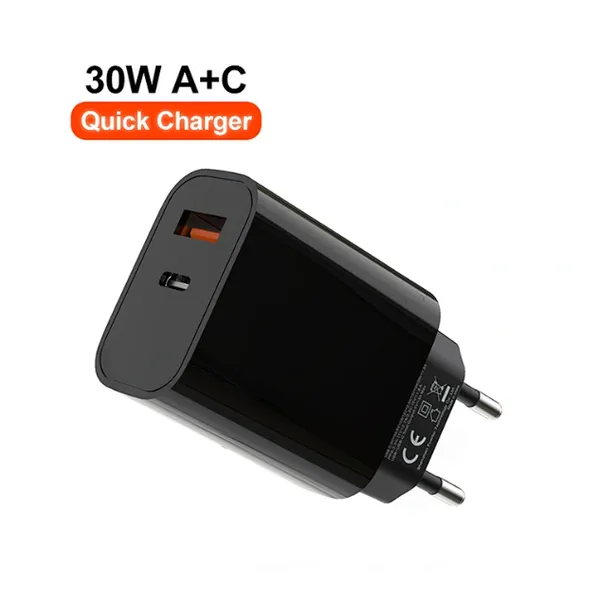
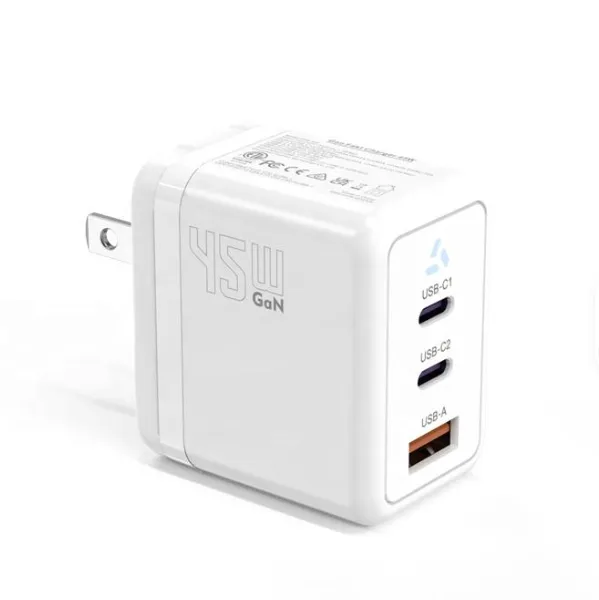
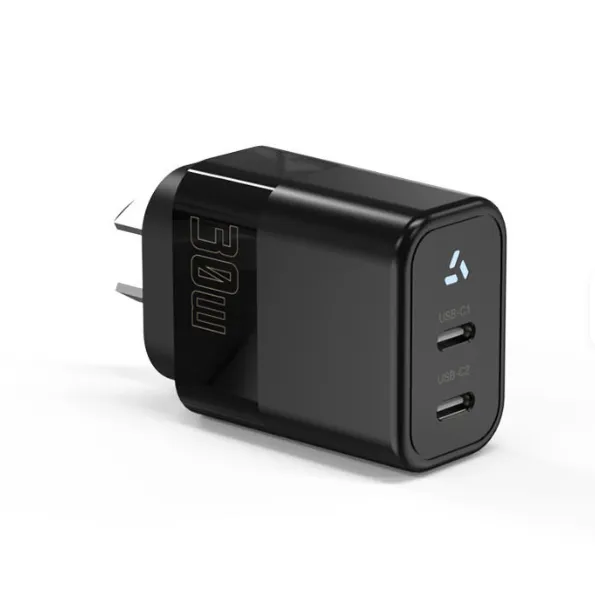
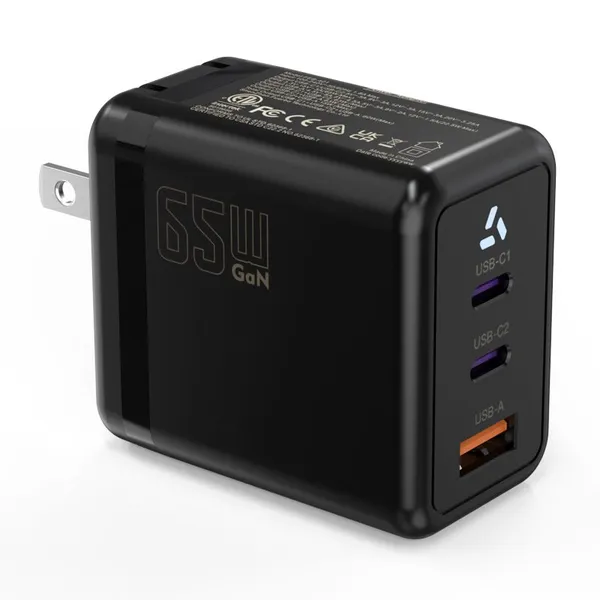
Compact 65W GaN USB-C Wall Charger With Dual USB-C Ports and USB-A Fast Charging Adapter With CE UKCA ETL SAAUS$ 10MOQ: 100 Pieces
-
QC3.0 Fast Charging Adapter PD30W USB-C USB-A GaN PD Fast Charger PD 3.0 GaN Charger Compact Wall Adapter for IPhone Samsung and IPadUS$ 3MOQ: 100 Pieces
-
12V 5A 60W US EU AC DC Adapter LED Driver LED SMPS AC to DC Switching Power SupplyUS$ 5 - 7MOQ: 50 Pieces
-
CE FCC CUL SAA KC PSE 24Vdc 48W Switching Power Supply AdaptersUS$ 5 - 7MOQ: 50 Pieces
-
CE GS UKCA SAA CUL Qualified Waterproof Switching Power Supply Ip68 PSE UL SAA GS 12V 2AUS$ 3 - 6MOQ: 50 Pieces
-
12V 1A Factory OEM Waterproof AC Adapter for Laser Light Table Lamp ac dc Adaptor With TUV CE GS for EU MarketUS$ 5 - 7MOQ: 50 Pieces