
 Business License
USB-C vs Micro USB: An OEM Buyer's Guide to Connector Selection
In 2024, a router manufacturer in Shenzhen shipped 50,000 units to a European distributor. Every unit came back. The reason was a single specification line the procurement team had overlooked: the product still used Micro USB for power input, and the distributor's retail partners refused to stock anything that wasn't USB-C. That one connector decision cost the brand owner three months, a canceled contract, and roughly $180,000 in rework.
If you are specifying power input connectors for a product your brand will ship in 2026 or beyond, the USB-C vs Micro USB decision is no longer a technical footnote. It is a product-market fit question. Regulatory bodies in the European Union, India, and several U.S. states have already mandated or are moving toward mandating USB-C as the universal charging standard for small and medium electronic devices.
This guide walks OEM buyers and procurement engineers through the engineering, regulatory, and commercial differences between USB-C and Micro USB. It covers power delivery, mechanical durability, cost at volume, compliance timelines, and the selection criteria that matter when you place a production order with a power adapter manufacturer. The goal is simple: help you specify the right connector the first time, avoid field returns, and keep your product roadmap aligned with where the market is heading.
Why the Connector Choice Matters More Than Ever
For most of the 2010s, Micro USB was the default. It was small, cheap, and universally available. Android phones adopted it. Power banks used it. Routers, Bluetooth speakers, security cameras, and a thousand other devices standardized around the Micro-B receptacle. Engineers knew the pinout. Buyers knew the price. Supply chains were mature.
USB-C changed that equilibrium. Introduced by the USB Implementers Forum in 2014, the USB Type-C connector was designed to solve three problems Micro USB could not handle: higher power delivery, reversible insertion, and a single connector that could carry data, video, and power simultaneously. For product designers, that sounded like flexibility. For procurement teams, it sounded like complexity and cost.
But the market has shifted. The EU's Radio Equipment Directive now requires USB-C charging for smartphones, tablets, cameras, headphones, and portable speakers sold in Europe. Laptops must follow by 2026. India has similar regulations taking effect. California passed comparable legislation. Even Apple, the last major holdout, moved the iPhone to USB-C in 2023.
What this means for OEM buyers is straightforward: specifying Micro USB for a new product launch in 2026 is a decision that carries regulatory and commercial risk. It is not automatically wrong — there are still valid applications where Micro USB makes sense — but it is a decision that now requires justification rather than default acceptance.
Engineering insight: USB-C is not just a different plug shape. It is a fundamentally different electrical specification. The connector supports the USB Power Delivery (USB-PD) protocol, which negotiates voltage and current dynamically between the charger and the device. Micro USB is limited to 5V and, in practice, rarely exceeds 2A without thermal and reliability concerns.
Power Delivery: The Engineering Difference
The most important technical distinction between USB-C and Micro USB is how much power each can safely carry. For OEM buyers specifying AC/DC power adapters, this directly affects the adapter wattage, cable gauge, and thermal design of the product.
Micro USB Power Limits
Micro USB was designed around the USB 2.0 specification. The standard allows:
5V nominal voltage
Maximum current: 2A in theory, though 1.5A is more common in practice
Maximum practical power: approximately 10–12W
Some manufacturers pushed Micro USB beyond this using proprietary fast-charge protocols, but those implementations strain the connector thermally and mechanically. At currents above 2A, the small contact area of the Micro USB pins generates heat, increases resistance, and accelerates contact wear. For products that need sustained power above 10W, Micro USB is operating outside its design envelope.
USB-C Power Delivery
USB-C with Power Delivery negotiates voltage and current through the CC (Configuration Channel) pins. The USB-PD specification supports:
Voltage levels: 5V, 9V, 15V, 20V (with 28V, 36V, and 48V in newer Extended Power Range versions)
Current levels: Up to 5A at each voltage
Maximum power: 100W standard, 240W with Extended Power Range (USB-PD 3.1)
For product designers, this means a single USB-C port can power anything from a 5W IoT sensor to a 100W laptop. The device and the adapter communicate to agree on the highest safe power level. If the adapter can deliver 65W and the device only needs 18W, the negotiation settles at 9V/2A. If both support 20V/3.25A, the connection delivers 65W.
| Specification | Micro USB | USB-C with PD |
|---|---|---|
| Max voltage | 5V | 20V (100W), up to 48V (240W EPR) |
| Max current | ~2A | Up to 5A |
| Max power | ~10–12W | 100W (240W EPR) |
| Power negotiation | None (fixed) | Dynamic via CC pins |
| Reverse insertion | No | Yes |
| Data + power simultaneously | Limited | Full support |
What This Means for Adapter Selection
When you specify a power adapter for a USB-C product, you are not just choosing a wattage. You are choosing which USB-PD voltage profiles the adapter advertises. A 65W GaN USB-C adapter typically supports 5V/3A, 9V/3A, 15V/3A, and 20V/3.25A. The device picks the profile that matches its input circuit.
For OEM buyers, this adds complexity to the adapter specification. You need to verify:
What voltage profiles does your device require? A 12V router cannot charge from an adapter that only offers 5V, 9V, and 15V.
What is the maximum power your device will draw? Specifying a 100W adapter for a 15W device wastes cost and adds unnecessary bulk.
Does your device need the full USB-PD negotiation stack, or just fixed-voltage USB-C? Some low-cost products use USB-C mechanically but only draw 5V. Others need full PD negotiation.
Want to see how USB-C power delivery works in practice? Explore our AC/DC power adapter range with USB-C output options from 18W to 100W, all with full PD profile support and DOE Level VI certification.
Mechanical Durability and Field Reliability
Connector choice directly affects warranty return rates. For OEM brand owners shipping tens or hundreds of thousands of units, a 0.5% difference in connector-related failures can mean thousands of RMAs.
Micro USB: A Proven but Fragile Design
Micro USB uses a small tongue inside the receptacle that mates with a shell on the plug. The design is inherently asymmetric: the plug has a top and a bottom, and users often attempt insertion incorrectly. Each failed insertion stresses the tongue. Over time, the tongue bends, cracks, or detaches from the solder joints.
The USB-IF specifies a minimum of 10,000 insertion cycles for Micro USB, but real-world performance varies significantly with build quality. In our lab testing, low-cost Micro USB receptacles from generic suppliers often fail between 3,000 and 5,000 cycles. For a device charged daily, that translates to roughly 3–5 years of use — which may be acceptable for consumer electronics with short replacement cycles, but marginal for industrial or security equipment designed for 10-year service life.
USB-C: Symmetry and Robustness
USB-C's reversible design eliminates insertion errors. The connector is also physically larger and more robust. The USB-IF specifies 10,000 cycles for full-featured USB-C as well, but the symmetrical design and more durable receptacle construction generally yield better real-world longevity. Premium USB-C receptacles rated for 20,000+ cycles are available from suppliers like Amphenol, Molex, and TE Connectivity.
The spring mechanism in USB-C is in the plug rather than the receptacle. This shifts wear to the cable — a disposable item — rather than the device port. For products where the port is soldered to a PCB inside a sealed enclosure, this is a significant reliability advantage.
Environmental Considerations
For outdoor or industrial applications, connector sealing matters. Micro USB's small form factor makes IP-rated sealing challenging. USB-C's larger shell allows for better gasket integration. IP67-rated USB-C receptacles are now widely available and increasingly standard on outdoor IoT gateways, security cameras, and industrial sensors.
When Marcus, a product manager at a Dutch security equipment firm, redesigned his outdoor camera line in 2023, he switched from Micro USB to IP67 USB-C. The previous generation had seen a 2.3% field-failure rate attributed to water ingress around the Micro USB port in cold-weather installations. After the switch to sealed USB-C, that failure category dropped to 0.1%. The per-unit connector cost increased by $0.40, but the warranty savings and brand reputation recovery more than covered the difference within the first production batch.
Cost Analysis at Volume: What OEM Buyers Actually Pay
Connector cost is only one line item in the BOM, but at volume it adds up. Here is a realistic cost comparison for OEM buyers placing orders in the 10,000–100,000 unit range.
Connector Component Costs
| Component | Typical Unit Cost (10K+ qty) | Notes |
|---|---|---|
| Micro USB 2.0 receptacle | 0.08–0.08–0.15 | Mature supply chain, high availability |
| Standard USB-C 2.0 receptacle | 0.20–0.20–0.35 | Moderate availability, more pins to solder |
| USB-C with full PD controller | 0.80–0.80–2.50 | Includes PD negotiation IC and protection |
| USB-C cable (1m, 3A rated) | 0.60–0.60–1.20 | Varies with gauge, shielding, and brand |
| Micro USB cable (1m, 2A rated) | 0.30–0.30–0.60 | Lower copper cost, simpler construction |
Adapter Cost Implications
A USB-C adapter with Power Delivery is more complex than a fixed 5V Micro USB adapter. The adapter needs:
A PD controller IC to negotiate with the device
Higher-voltage output stages (for 9V, 15V, 20V)
More complex feedback and protection circuitry
Higher-wattage magnetic components
For a 20W USB-C PD adapter versus a 10W fixed 5V Micro USB adapter, the BOM cost difference is typically 1.50–1.50–3.00 at volume. However, the gap narrows as wattage increases. A 65W USB-C PD GaN adapter and a comparable 60W barrel-connector adapter are now close in cost because the GaN topology benefits both equally.
Total Cost of Ownership
When evaluating connector cost, OEM buyers should calculate total cost of ownership, not just BOM cost:
Warranty returns: Connector failures are a top RMA cause for portable electronics
Customer satisfaction: Users increasingly expect USB-C; Micro USB can trigger negative reviews
Regulatory compliance: EU and Indian markets may require USB-C; non-compliant products face import barriers
Accessory ecosystem: Retail partners increasingly prefer products that fit the USB-C ecosystem they already stock
For a 50,000-unit production run, a $0.25 connector cost increase may be justified by avoiding a 1% return rate that costs $50 per RMA in shipping, replacement, and labor. The math is simple: $12,500 in added connector cost versus $25,000 in warranty cost.
Regulatory Landscape: Where USB-C Is Becoming Mandatory
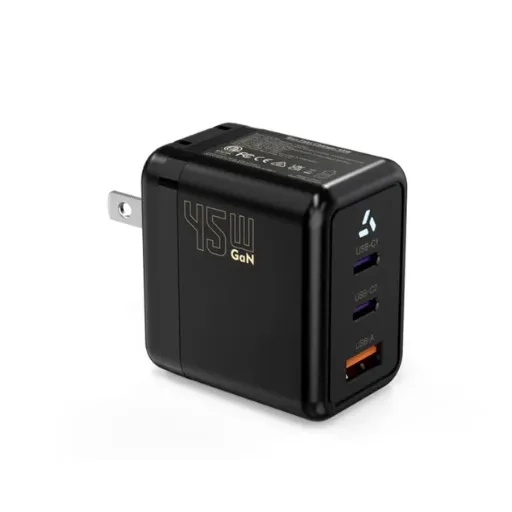
The regulatory momentum behind USB-C is the strongest argument for OEM buyers to plan the transition now, even if their current product generation still uses Micro USB.
European Union: Radio Equipment Directive
The EU mandated USB-C as the common charging port for:
Smartphones, tablets, e-readers: Effective December 28, 2024
Digital cameras, headphones, headsets, portable speakers: Effective December 28, 2024
Laptops: Effective April 28, 2026
The directive applies to devices sold in the EU market, regardless of where they are manufactured. Products without USB-C charging ports cannot be placed on the EU market after the effective dates. There are limited exemptions for devices too small to accommodate USB-C, but these are narrow and require justification.
India
India's Ministry of Consumer Affairs issued similar guidelines requiring USB-C for:
Smartphones and tablets: Effective 2025
Laptops: To follow in a later phase
India is one of the largest smartphone markets in the world, and the directive affects both domestic brands and imports.
United States
California passed Senate Bill 848 in 2023, requiring USB-C charging for devices sold in the state, mirroring the EU timeline. While U.S. federal legislation has not yet passed, the California market is large enough that many manufacturers are standardizing on USB-C for all North American SKUs rather than maintaining separate variants.
What This Means for OEM Buyers
If your product roadmap includes sales to Europe, India, or California, USB-C is no longer optional for new designs. For existing Micro USB products, you need a transition plan with a clear timeline. For products targeting markets without USB-C mandates — some industrial, medical, or legacy replacement markets — Micro USB may remain viable longer, but the supply chain is gradually shifting capacity to USB-C.
Need adapters that meet both EU and U.S. regulatory requirements? Download our global certification documentation covering CE, UKCA, DOE Level VI, and ErP Tier V for USB-C adapter platforms.
When Micro USB Still Makes Sense
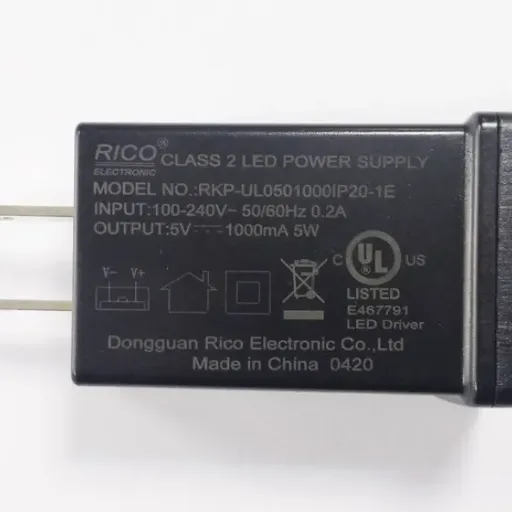
Despite the momentum behind USB-C, Micro USB is not dead. There are specific applications where it remains the rational choice for OEM buyers in 2026.
Ultra-Low-Cost Products
For products where every cent matters — disposable power banks, promotional giveaways, ultra-low-cost IoT sensors — the $0.10–$0.20 BOM savings of Micro USB can be meaningful. At 100,000 units, that is $10,000–$20,000 in direct cost reduction.
Legacy Product Lines and Replacement Markets
If you are manufacturing replacement chargers or accessories for an installed base of Micro USB devices, switching to USB-C would strand your customers. The aftermarket for Micro USB cables, chargers, and adapters remains large and will persist for years.
Low-Power Applications
Devices that draw less than 5W — basic remote sensors, simple LED indicators, some Bluetooth beacons — do not benefit from USB-C's higher power capability. A 5V/1A Micro USB adapter is perfectly adequate and cheaper than the USB-C equivalent.
Internal or Non-Consumer-Facing Ports
Some products use USB connectors for factory programming, diagnostics, or internal module communication rather than end-user charging. In these cases, the connector is never seen by the customer, and Micro USB's maturity and lower cost may be advantageous.
The key question for OEM buyers is not "Which connector is better?" but "Which connector is right for this product, this market, and this production timeline?" Micro USB remains correct for some answers. The mistake is treating it as the default without asking the question.
Specifying USB-C Adapters: What to Verify with Your Manufacturer
If your decision matrix points to USB-C, the next step is specifying the adapter correctly. USB-C is not a single standard — it is a family of capabilities. An adapter that physically fits a USB-C port may not electrically support what your device needs.
1. Verify the PD Voltage Profiles
Your device design determines which voltage levels it can accept. Confirm your adapter supports exactly those levels. Common profiles:
5V/3A (15W): Basic charging, small IoT devices
9V/3A (27W): Mid-range smartphones, tablets
12V/3A (36W): Small laptops, higher-power tablets
15V/3A (45W): Standard laptops, docking stations
20V/3.25A (65W): Mainstream laptops
20V/5A (100W): High-performance laptops, workstations
2. Confirm Cable Current Rating
USB-C cables are rated by current capacity. A 3A cable cannot safely carry 5A, even if the adapter and device both support it. For adapters above 60W (which require 20V/3.25A or more), verify the included cable is rated for at least 3A. For 100W applications, the cable must be 5A rated and electronically marked (E-marker chip).
3. Check Efficiency Certification
USB-C adapters should meet the same efficiency standards as any AC/DC power adapter. For U.S. market entry, verify DOE Level VI compliance. For Europe, confirm ErP Tier V. ENERGY STAR Level V exceeds both and supports sustainability claims.
4. Request the Test Report
As with any power adapter, ask for the actual efficiency and safety test reports. The report should show:
Efficiency at 25%, 50%, 75%, and 100% load
No-load power consumption
Voltage regulation accuracy across the load range
Temperature rise under full load
5. Plan for Connector Supply Chain
USB-C receptacle availability has improved dramatically but can still tighten during peak demand. Confirm your adapter manufacturer has qualified second-source suppliers for USB-C connectors and that their SMT process is dialed in for the finer pitch of USB-C pins versus Micro USB.
At Anenerge, our USB-C adapter lines include 18W, 30W, 45W, 65W, and 100W options, each with full PD profile support and the full certification stack (CCC, UL, TUV, UKCA, CB, CE, SAA, DOE Level VI). We support custom labeling, cable length, and connector configurations for OEM brand owners.
Next Steps
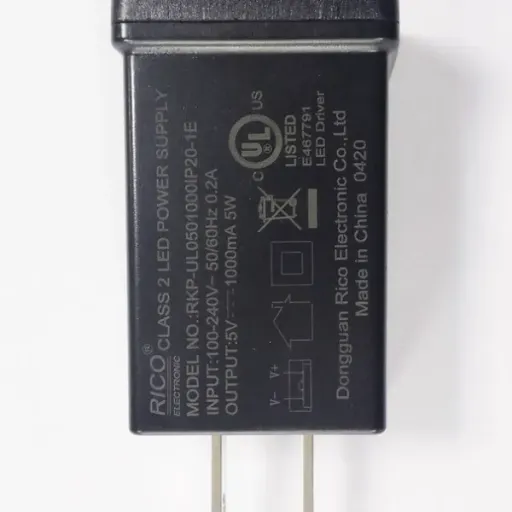
The USB-C vs Micro USB decision is no longer a question of personal preference or incremental convenience. For OEM buyers, it is a regulatory compliance issue, a warranty cost issue, and a product-market fit issue. The EU mandate is in effect. India's follows. California's is coming. Users expect it. Retailers increasingly demand it.
If you are designing a new product for launch in 2026 or beyond, the default should be USB-C unless you have a specific, defensible reason to choose Micro USB. If you are maintaining a legacy Micro USB product, map out your transition timeline now.
Three questions to answer before your next production order:
Which markets will this SKU sell into, and what are their connector mandates?
What power level does the device actually need, and which USB-PD profiles support it?
Does the total cost of ownership (BOM + warranty + compliance) favor USB-C or Micro USB for this product?
If you need USB-C power adapters for your next product generation, the next step is straightforward. Send us your voltage profile requirement, power rating, and target market certifications. Our engineering team will return a proposed adapter specification with test reports within 24 hours.
Recently Posted
-
GaN Charger vs Normal Charger: An OEM Buyer's Comparison
June 12, 2026Last spring, a product manager at a Berlin laptop accessory brand opened two 65W samples on his desk. One was a normal silicon cha Read More
 -
What Is a GaN Charger? A Buyer’s Guide to Gallium Nitride Power Adapters
June 12, 2026In 2024, Maria Chen’s team at a Shenzhen router OEM received a blunt message from their largest U.S. distributor: shrink the power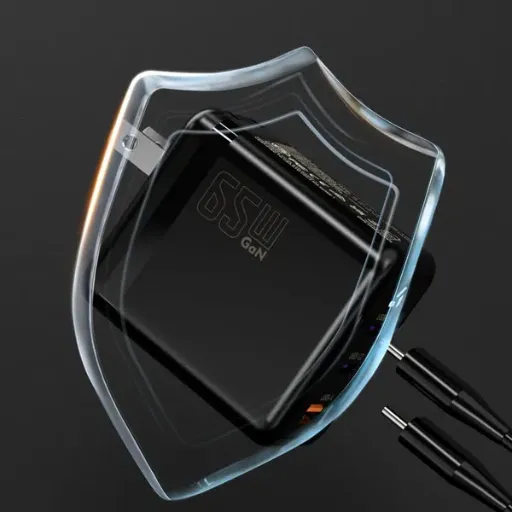 Read More
 -
What Is GaN Technology? A Manufacturer's Guide for Power Adapter Buyers
June 12, 2026Lisa, a product manager at a Rotterdam-based IoT brand, stared at the mechanical drawing for her new gateway. The enclosure was 30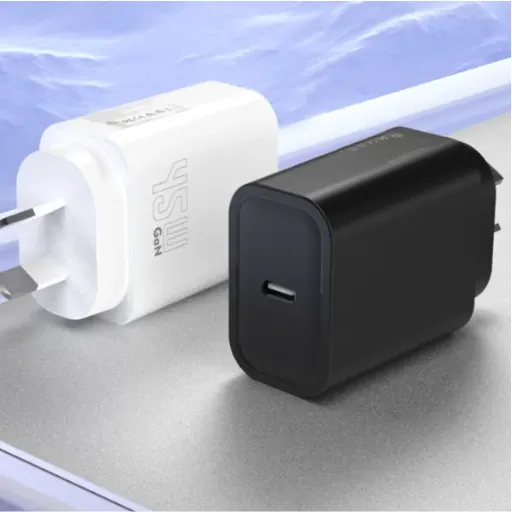 Read More
 -
What Is Power Delivery? Understanding Energy Transfer in Modern Electronics
June 12, 2026When Ravi Patel, a hardware engineer at a consumer electronics firm in Mumbai, received the first production samples of his team&#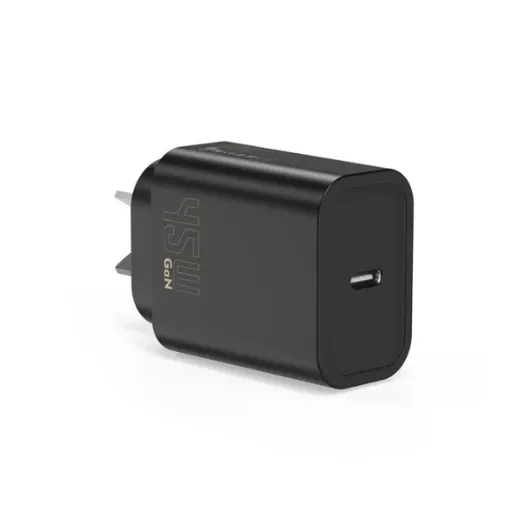 Read More

Contact Us
Recommended Products
-
 65W USB-C GaN Wall Charger PD Fast Charging Adapter EU US Plug for Laptop Smartphone and TravelUS$ 6MOQ: 100 Pieces
 -
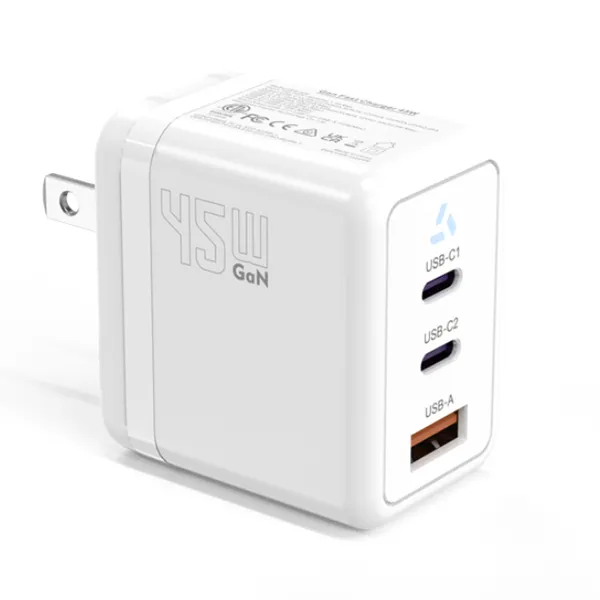
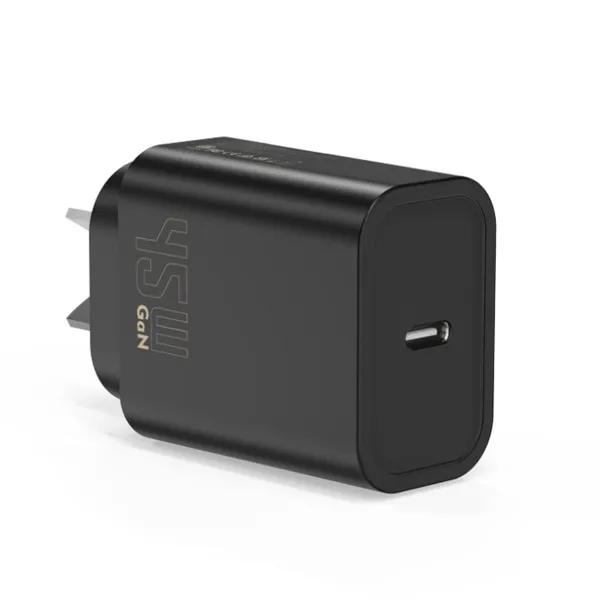
45W GaN USB-C Fast Charger JP Plug PD Wall Charging Adapter for IPhone MacBook and TabletsUS$ 8MOQ: 100 Pieces
-
QC3.0 30W USB Fast Charger With 18W Quick Charge Wall Adapter for Android and Mobile DevicesUS$ 4MOQ: 100 Pieces
-
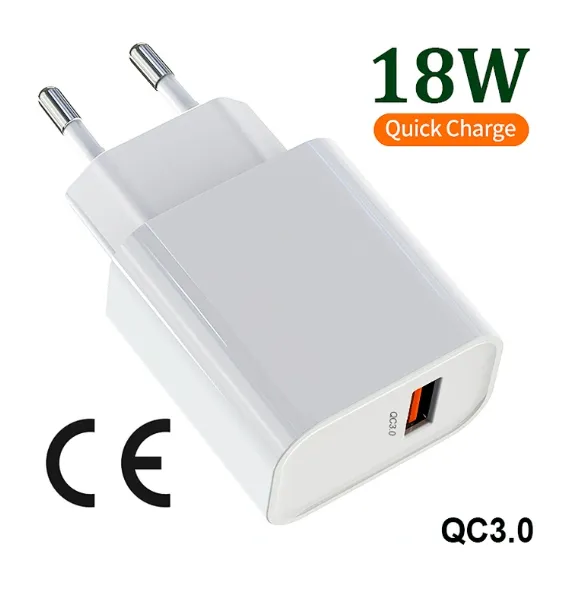
Compact 18W Quick Charge 3.0 USB Charger 30W Fast Charging Adapter EU US Plug for TravelUS$ 2MOQ: 100 Pieces
-
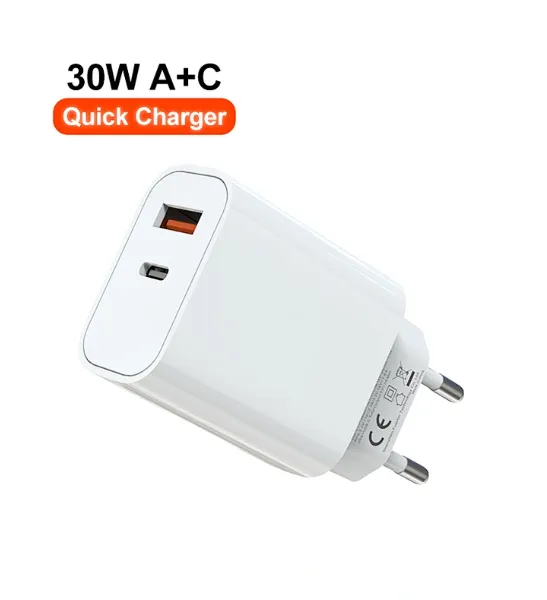
30W USB-C and USB-A PD Fast Charger Compact Wall Adapter for IPhone Samsung and IPadUS$ 3MOQ: 100 Pieces
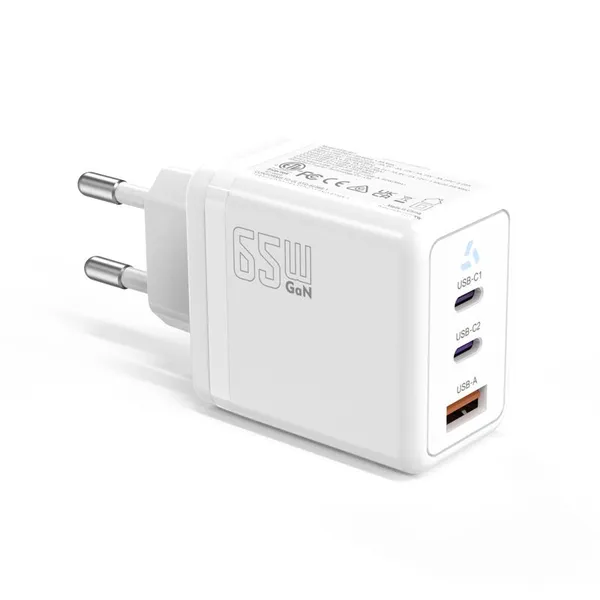
-
35W Dual USB-C PD Charger Fast Charging Adapter for IPhone Samsung IPad and USB-C DevicesUS$ 3MOQ: 100 Pieces
-
65W USB-C GaN Charger EU Plug Fast Charging Adapter 65W USB-C PD Fast Charge Wall Charger Power Adapter for Macbook ProUS$ 5MOQ: 100 Pieces
-
65W GaN USB-C Fast Charger PD Wall Charging Adapter for Laptop IPhone and Mobile DevicesUS$ 5MOQ: 100 Pieces
-
100W GaN USB-C Fast Charger With PD 3.0 for Laptop, MacBook, IPhone & Multi-Device ChargingUS$ 12MOQ: 100 Pieces
-
45W GaN USB-C Fast Charger EU AU PD Fast Wall Charging Adapter for IPhone Tablets With CE REACH PassedUS$ 8MOQ: 100 Pieces
-
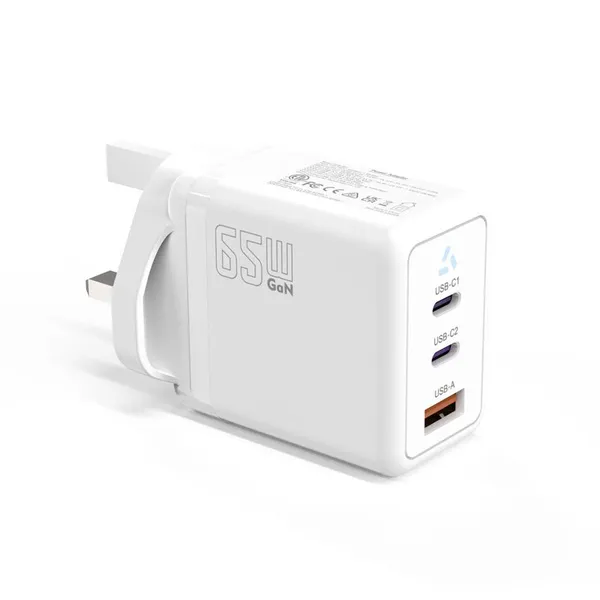
QC3.0 65W GaN USB C Super Fast Charger With UKCA 3 Ports PD 3.0 GaN Charger for Iphone Macbook SamsungUS$ 10MOQ: 100 Pieces
-
30W USB-C and USB-A GaN QC3.0 Fast Charging Adapter PD Fast Charger Compact Wall Adapter for IPhone Samsung and IPadUS$ 3MOQ: 100 Pieces
-
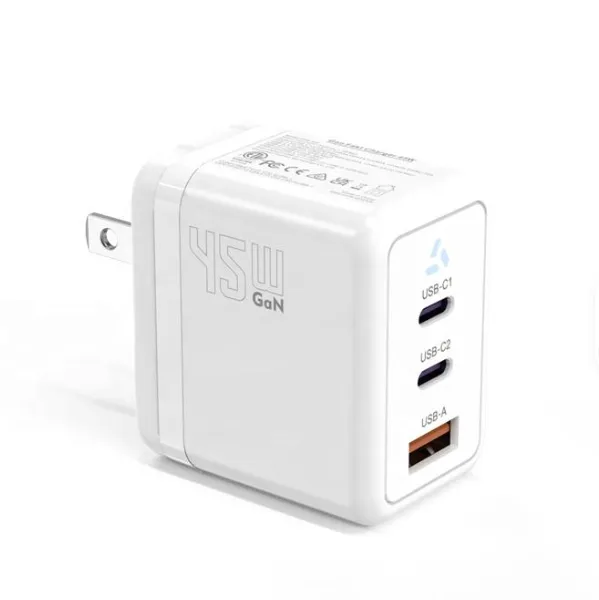
45W GaN USB-C Fast Charger With Dual Type-C and USB-A Ports PD Wall Charging AdapterUS$ 8MOQ: 100 Pieces
-
Dual USB C Ports QC3.0 30W Fast Charger With EU UK AU US USB-C PD Wall Chargeer 30W PD Power AdapterUS$ 3MOQ: 100 Pieces
-
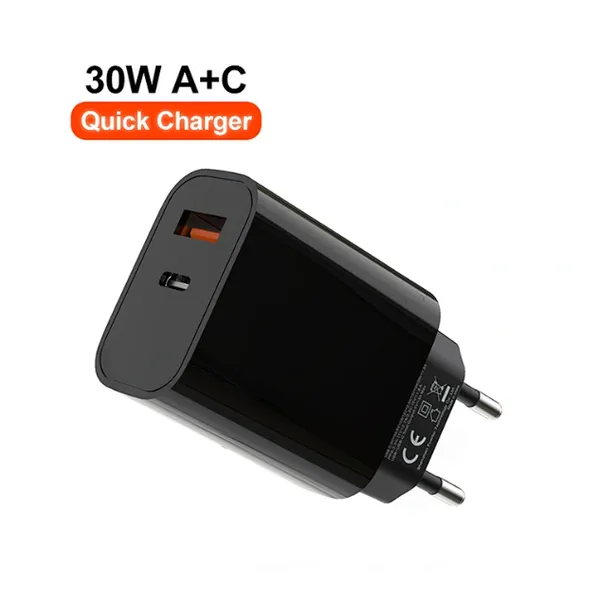
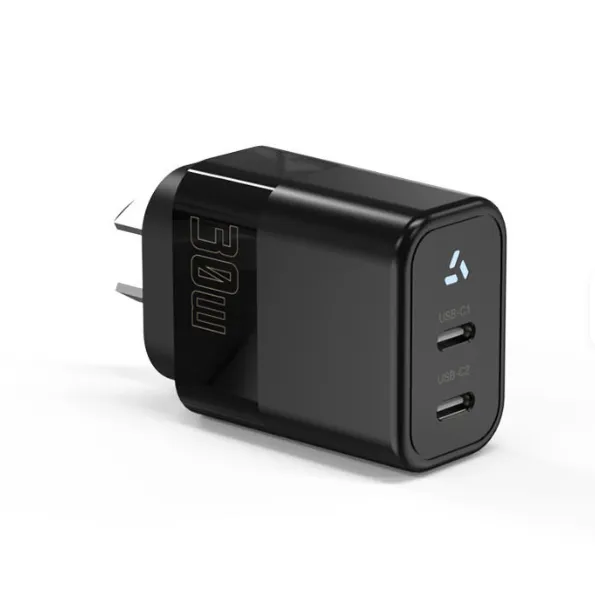
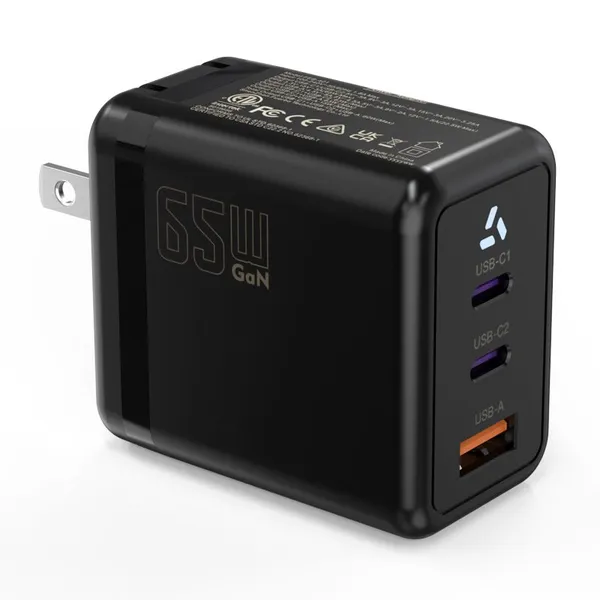
Compact 65W GaN USB-C Wall Charger With Dual USB-C Ports and USB-A Fast Charging Adapter With CE UKCA ETL SAAUS$ 10MOQ: 100 Pieces
-
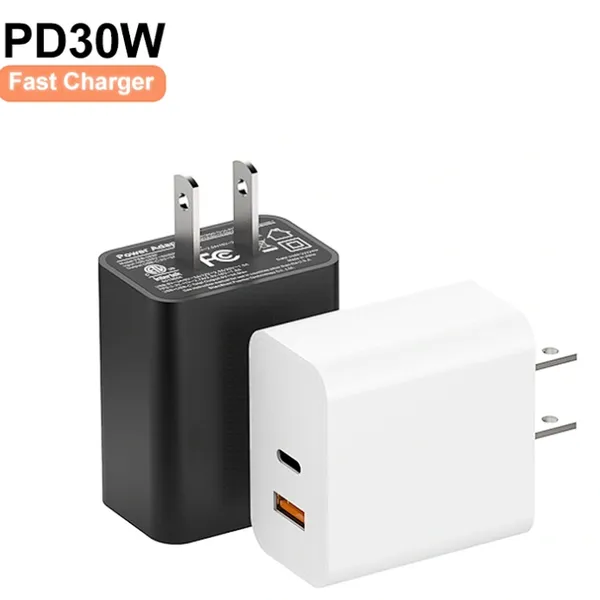
QC3.0 Fast Charging Adapter PD30W USB-C USB-A GaN PD Fast Charger PD 3.0 GaN Charger Compact Wall Adapter for IPhone Samsung and IPadUS$ 3MOQ: 100 Pieces
-
12V 5A 60W US EU AC DC Adapter LED Driver LED SMPS AC to DC Switching Power SupplyUS$ 5 - 7MOQ: 50 Pieces
-
CE FCC CUL SAA KC PSE 24Vdc 48W Switching Power Supply AdaptersUS$ 5 - 7MOQ: 50 Pieces
-
CE GS UKCA SAA CUL Qualified Waterproof Switching Power Supply Ip68 PSE UL SAA GS 12V 2AUS$ 3 - 6MOQ: 50 Pieces
-
12V 1A Factory OEM Waterproof AC Adapter for Laser Light Table Lamp ac dc Adaptor With TUV CE GS for EU MarketUS$ 5 - 7MOQ: 50 Pieces