
 Business License
Best Batteries for Solar Power Storage: An OEM Buyer's Guide
In 2023, a solar streetlight OEM in Rotterdam named Elena specified 48V 100Ah LiFePO4 packs for a municipal bid. She saved 8% on the bill of materials by pairing them with generic lithium-ion chargers she found on a trading platform. Eighteen months later, 34% of the packs had lost more than 30% of their rated capacity. The chargers were pushing a 4.2V/cell profile into 3.65V/cell batteries. The chemistry mismatch cost her the renewal contract.
If you are specifying energy storage for a solar product line, you already know that battery chemistry is the single biggest variable in system cost and lifespan. What fewer buyers account for is that the charger profile matters just as much as the cell chemistry. This guide breaks down the best batteries for solar power storage from an engineering and procurement perspective. We compare LiFePO4, lithium-ion, and lead-acid chemistries for solar duty cycles, show how to size banks for real-world applications, and explain why your charger selection can make or break the warranty.
Here is what we will cover:
Why LiFePO4 has become the default for solar storage
When lithium-ion NMC makes sense
Why lead-acid still appears in budget installations
How to size capacity, depth of discharge, and cycle life
The charger matching problem that kills solar batteries early
Certifications you need before the container ships
Why LiFePO4 Dominates Solar Battery Storage
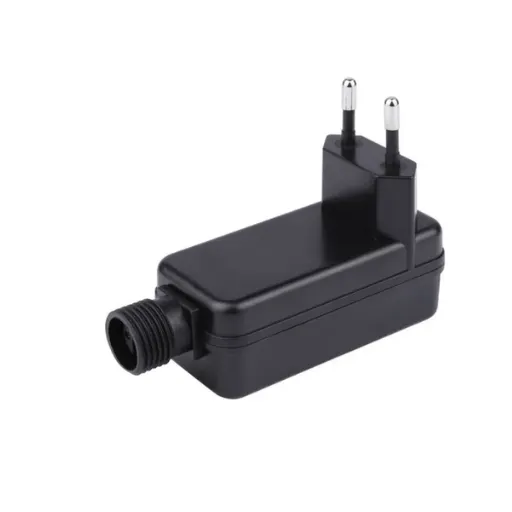
LiFePO4 (lithium iron phosphate) has become the chemistry of choice for solar battery storage across residential, commercial, and industrial installations. The reasons are thermal stability, cycle life, and flat discharge curves that align well with the intermittent charging patterns solar creates.
A quality LiFePO4 solar battery delivers 3,000 to 6,000 cycles at 80% depth of discharge (DoD). For a daily charge-discharge cycle, that translates to 8 to 16 years of service life. NMC lithium-ion cells typically deliver 1,000 to 2,000 cycles at the same DoD. Lead-acid deep-cycle batteries, even the best AGM variants, deliver 500 to 1,000 cycles.
The thermal profile matters too. Solar batteries sit in enclosures that can reach 45 degrees C in direct sun. LiFePO4's thermal runaway threshold sits around 270 degrees C, versus roughly 210 degrees C for NMC. In practice, this means LiFePO4 packs tolerate marginal ventilation better than cobalt-based chemistries.
The downside is energy density. LiFePO4 packs store less energy per kilogram than NMC. For stationary solar storage, that rarely matters. The battery bank is not moving. What matters is cost per warranted kilowatt-hour over the installation life, and LiFePO4 wins that calculation in most climates.
Mini-story: The Phoenix installation that proved the point.
David runs a solar installation company in Arizona. In 2022 he installed 150 lead-acid banks for off-grid cabins at an average of $1,200 per 48V bank. By mid-2024 he had replaced 62 of them due to sulfation and capacity fade in the desert heat. His effective cost per kilowatt-hour over those two years was nearly double his original estimate.
In late 2024 David switched to 48V 100Ah LiFePO4 banks with chemistry-matched chargers. The upfront cost per bank was 40% higher, but the warranty stretched from two years to ten. After 18 months in the field, his monitoring data shows zero capacity fade across the installed base. The payback period dropped from 11 years to 6.5, and his service truck visits for battery issues stopped entirely.
Want to see how a chemistry-matched LiFePO4 battery charger protects pack life? Our 48V LiFePO4 chargers are tuned to 15S profiles with taper current ending at 0.05C.
When Lithium-Ion NMC Makes Sense for Solar
NMC (nickel manganese cobalt) lithium-ion cells store more energy per liter and per kilogram than LiFePO4. In applications where physical size or weight constraints dominate, NMC can be the better choice.
Portable solar generators are the clearest example. A 2 kWh portable unit that one person must lift favors NMC because the same capacity fits in a smaller enclosure. RV and marine solar installations with strict weight budgets also gravitate toward NMC.
The trade-offs are real. NMC requires tighter battery management. The cycle life is shorter. The thermal runaway risk is higher. And the cost per warranted kilowatt-hour is typically higher than LiFePO4 for stationary use.
For OEM buyers specifying solar battery storage, the decision matrix usually looks like this:
| Factor | LiFePO4 (LFP) | NMC Li-ion | Lead-Acid (AGM) |
|---|---|---|---|
| Cycle life (80% DoD) | 3,000-6,000 | 1,000-2,000 | 500-1,000 |
| Nominal cell voltage | 3.2V | 3.6-3.7V | 2.0V (12V blocks) |
| Full-charge cutoff | 3.65V/cell | 4.2V/cell | 14.4V (12V block) |
| Energy density (Wh/kg) | 90-120 | 150-250 | 30-50 |
| Thermal runaway onset | ~270C | ~210C | Not applicable |
| Cost per kWh (cell only) | Medium | Medium-High | Low |
| Cost per kWh (warranted) | Low | Medium | High |
| Best for | Stationary solar | Portable / weight-constrained | Budget / backup only |
If your product is a fixed installation, LiFePO4 is almost always the better long-term value. If your product moves or has strict size limits, NMC deserves consideration.
Lead-Acid: The Budget Option with Hidden Costs
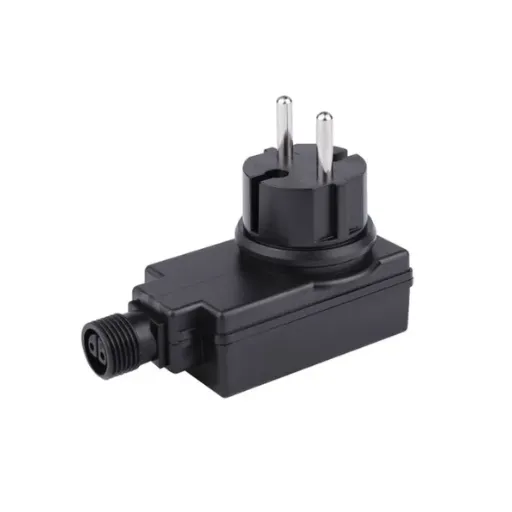
Lead-acid batteries still appear in solar storage specifications because the upfront cell cost is low. A 12V 200Ah AGM battery costs less than a comparable LiFePO4 pack at the point of purchase.
The problem is total cost of ownership. Lead-acid batteries for solar suffer from three engineering realities:
Depth of discharge limits: AGM batteries should not be discharged below 50% regularly. That means a 200Ah bank only delivers 100Ah of usable capacity. LiFePO4 delivers 80% or more of rated capacity daily.
Peukert effect: At higher discharge rates, lead-acid effective capacity drops. Solar inverters pulling 1C from a lead-acid bank can see 20-30% less real capacity than the nameplate rating. LiFePO4 is far less sensitive to discharge rate.
Temperature vulnerability: Heat accelerates sulfation and water loss in lead-acid cells. In warm climates, a lead-acid solar bank can lose 50% of its life for every 10 degrees C above 25 degrees C. LiFePO4 degrades more gracefully.
For backup-only systems that cycle a few times per year, lead-acid remains viable. For daily-cycle solar storage, the math rarely works in lead-acid's favor over a 10-year horizon.
How to Size Solar Battery Banks for Real-World Duty
Sizing a solar battery bank requires more than multiplying panel wattage by sun hours. OEM buyers need to account for depth of discharge, days of autonomy, temperature derating, and inverter efficiency.
The Basic Sizing Equation
Daily energy demand (Wh) divided by system voltage gives the amp-hour requirement at 100% DoD. Then apply the DoD limit:
Required Ah = (Daily Wh / System V) / DoD limit
Example: A 48V system powering 5,000 Wh per day with LiFePO4 at 80% DoD:
(5,000 / 48) / 0.80 = 130 Ah minimum
Most engineers add 20% for inverter losses and cable drop, bringing the practical target to roughly 160 Ah.
Days of Autonomy
Autonomy is how many cloudy days the bank must support without charging. Residential solar typically targets 2-3 days. Commercial critical loads may target 5. Each day multiplies the capacity requirement.
A 160 Ah single-day bank becomes 480 Ah at three days of autonomy. This is where LiFePO4's deeper DoD pays dividends. A lead-acid bank sized for the same autonomy at 50% DoD needs 960 Ah of nameplate capacity.
Temperature Derating
Battery capacity drops in cold temperatures. At 0 degrees C, a LiFePO4 pack may deliver only 70-80% of rated capacity. Lead-acid performs even worse. Specify banks with the lowest expected operating temperature in mind, or plan for active heating in cold climates.
The Charger Problem Nobody Talks About
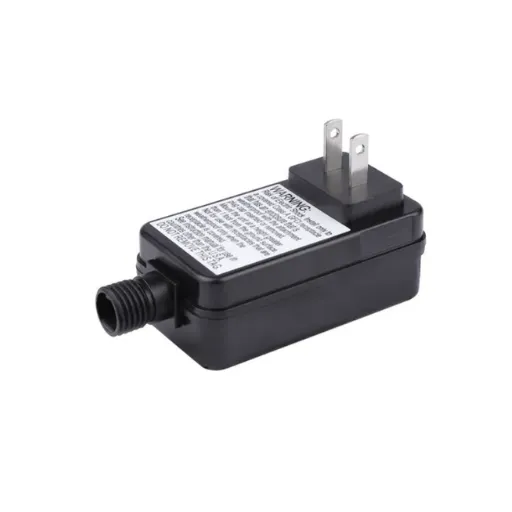
Here is the specification mistake we see most often from solar OEM buyers: they select an excellent battery and pair it with a charger that does not match the chemistry. The battery dies early, and the blame lands on the cell manufacturer.
Solar storage systems have two charging sources: the solar charge controller (DC from panels) and the AC grid charger (for backup or off-peak charging). Both must deliver the correct voltage profile for the chemistry.
LiFePO4 Needs 3.65V per Cell
A 15S LiFePO4 pack needs a charger cutoff of 54.6V. A charger built for lithium-ion NMC will target 63V for the same 15S string. That is 15% overvoltage. The BMS may shut down the pack, or worse, cells may degrade.
Learn more about why voltage accuracy matters in our guide to CC-CV charging explained.
Charge Current and Solar Intermittency
Solar charging is intermittent by nature. Clouds, shading, and time of day create a variable current source. The battery must tolerate partial charge states without damage. LiFePO4 handles partial state of charge (PSoC) operation better than lead-acid, which sulfates if left chronically undercharged.
However, when the AC charger kicks in during off-peak hours, it must deliver a clean, stable CC-CV profile. Ripple, voltage drift, or incorrect taper current all reduce cycle life. Anenerge LiFePO4 chargers maintain voltage within plus or minus 0.5% and current within plus or minus 3% across the full range. Every unit is functionally tested before it leaves the floor.
Mini-story: The warranty return that traced back to the charger.
In 2024, a solar energy storage brand in California saw a spike in warranty returns on their 48V residential banks. Their battery supplier ran capacity tests and found the cells were healthy. Their inverter supplier checked the charge controller and found no fault.
The root cause was the backup AC charger. It was a generic 48V lead-acid charger with a 14.8V per 12V block profile. On a 16S LiFePO4 pack, that translated to 59.2V, or 3.7V per cell. The cells were spending hours per day at overvoltage. Switching to a chemistry-matched LiFePO4 charger eliminated the returns within one quarter.
If you are sourcing chargers for a solar storage product, send us your cell spec and pack configuration. We will return a proposed charge profile within 24 hours. Request a free sample to validate against your pack.
Certifications and Safety Standards for Solar Batteries
Solar battery storage systems ship globally, and every destination has its own safety requirements. OEM buyers must verify certifications before production begins, not after the container reaches customs.
Key Standards by Market
United States: UL 1973 for stationary batteries, UL 2580 for EV-scale systems, UN 38.3 for lithium battery transport
European Union: IEC 62619 for industrial lithium batteries, CE marked under the Battery Regulation
United Kingdom: UKCA marking, with BS EN standards aligned to IEC 62619
Australia: SAA / RCM approval
International: CB Scheme certificate under IEC 62619
What the BMS Must Do
A certified solar battery needs a battery management system (BMS) that handles:
Cell balancing during charge and discharge
Over-voltage and under-voltage protection
Over-current protection for charge and discharge
Temperature monitoring with charge/disable thresholds
Communication with the inverter or charge controller (CAN, RS485, or UART)
The BMS is not optional. It is a safety requirement under IEC 62619 and a functional necessity for multi-cell packs.
Mini-story: The Hamburg customs hold.
In early 2025, a procurement team at a Southeast Asian solar farm selected three battery suppliers on price. When the first container reached Hamburg, German customs requested current IEC 62619 test reports for the lithium cells. Two of the three suppliers produced reports that were three years old and referenced discontinued cell models. The shipment sat in port for six weeks while the buyer scrambled for documentation.
The third supplier had current, traceable reports with matching cell model numbers. Their container cleared in 48 hours. The cost difference between suppliers at the PO stage was 4%. The delay cost from the documentation gap was 18% of the project margin.
Five Specifications to Lock Before You Source
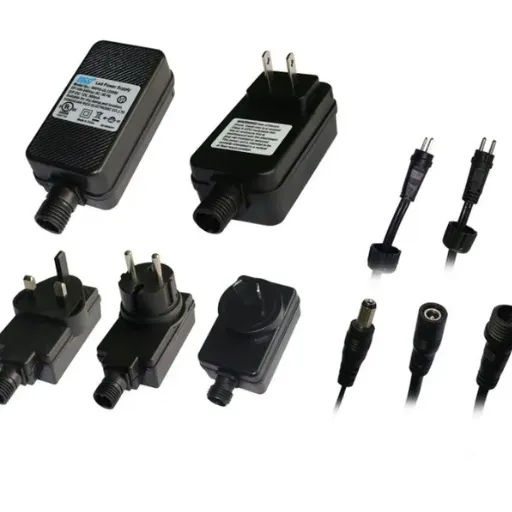
Before you place a production order for solar battery storage, lock these five items in writing:
Cell chemistry and model number: Specify the exact cell manufacturer and model. Do not accept "grade A cells" or generic descriptions. The cell datasheet drives every other specification.
BMS functionality and communication protocol: Define the protection thresholds, balancing current, and communication interface. Test the BMS with your inverter before production.
Charge profile for both DC solar and AC backup: Specify the CC-CV parameters, cutoff voltage, taper current, and float behavior. If your battery supplier and charger supplier are different companies, get both on a call and agree jointly.
Certification stack for target markets: Verify current test reports with traceable report numbers. Check that the model numbers on the reports match the model numbers you are buying exactly.
Cycle life warranty at stated DoD: A "5,000 cycle" claim at 50% DoD is not the same as 5,000 cycles at 80% DoD. Get the warranted cycle life at your actual operating depth of discharge.
For OEM brands that need custom charger profiles to match a specific solar battery chemistry, our engineering team co-develops the charge curve with your battery supplier and validates it on your actual pack samples.
Conclusion: The Battery Is Half the System
Choosing the best batteries for solar power storage means looking beyond the cell price. LiFePO4 delivers the lowest cost per warranted kilowatt-hour for stationary solar. NMC makes sense when size and weight constrain the design. Lead-acid survives only in backup-only applications with infrequent cycling.
But the battery is only half the system. A mismatched charger will destroy even the best LiFePO4 pack in under two years. Voltage accuracy, taper current, and termination behavior matter as much as cell chemistry.
Here are the key takeaways:
LiFePO4 is the default choice for daily-cycle solar storage due to cycle life and thermal stability.
Size banks with real DoD limits, inverter losses, and temperature derating in mind.
Verify that your charger profile matches your cell chemistry exactly.
Demand current, traceable certification documents before production.
Get your battery supplier and charger supplier to agree on the charge curve jointly.
If you are building a solar storage product line and need chargers matched to LiFePO4 or lithium-ion packs, the next step is simple. Send us your cell specification, pack series count, and target charge time. Our engineering team will return a proposed CC-CV profile and a sample timeline within 24 hours.
Request a free engineering sample or get an OEM quote for your solar storage charger requirements.
Recently Posted
-
Why Is My Phone Charging Slowly? Causes and Fixes
June 22, 2026At 7:45 a.m., Maya plugged her phone into the charger she grabbed from the hotel nightstand. By 8:30, the battery had climbed from Read More
 -
Fast Charging vs Normal Charging: OEM Engineering Guide
June 22, 2026Last year, a European e-bike brand shipped 5,000 units with a 4A fast charger as a premium upgrade. Six months later, their warran Read More
 -
How to Make Charging Faster: A Technical Guide for OEM Brand Owners
June 22, 2026When Elena, product manager at a Rotterdam e-bike brand, launched her 48V commuter line in spring 2026, she thought 6 hours on a s Read More
 -
Does Fast Charging Damage Battery? What OEM Buyers Need to Know
June 22, 2026Yes, fast charging can damage batteries when current exceeds the cell's thermal and electrochemical limits. The damage shows u Read More

Contact Us
Recommended Products
-
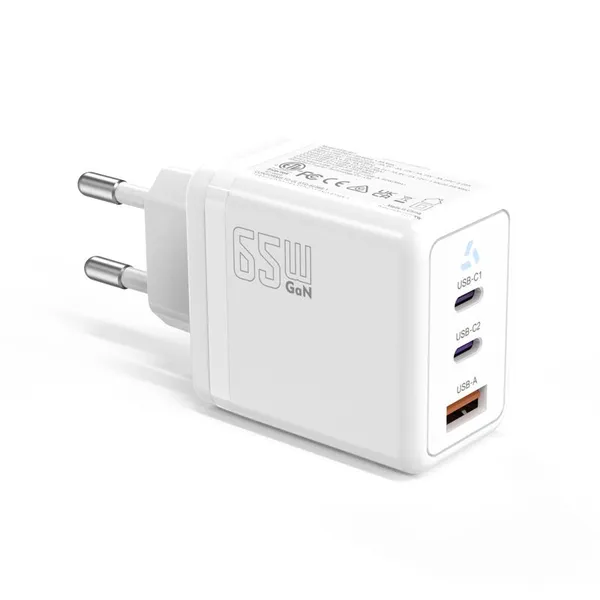
 65W USB-C GaN Wall Charger PD Fast Charging Adapter EU US Plug for Laptop Smartphone and TravelUS$ 6MOQ: 100 Pieces
 -
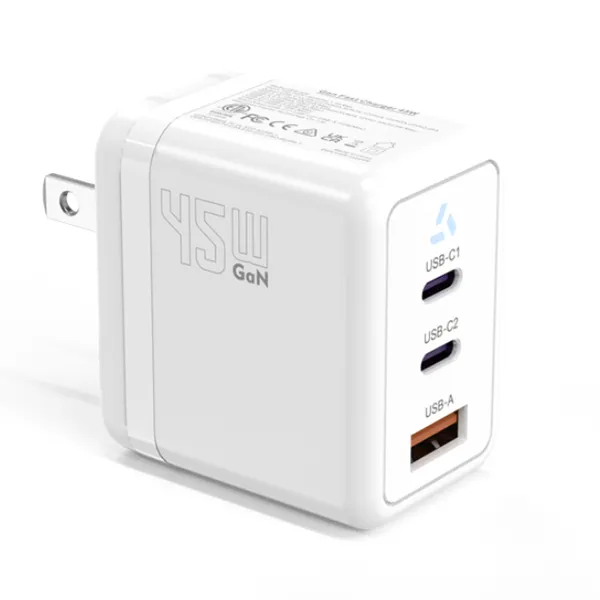
45W GaN USB-C Fast Charger JP Plug PD Wall Charging Adapter for IPhone MacBook and TabletsUS$ 8MOQ: 100 Pieces
-
QC3.0 30W USB Fast Charger With 18W Quick Charge Wall Adapter for Android and Mobile DevicesUS$ 4MOQ: 100 Pieces
-
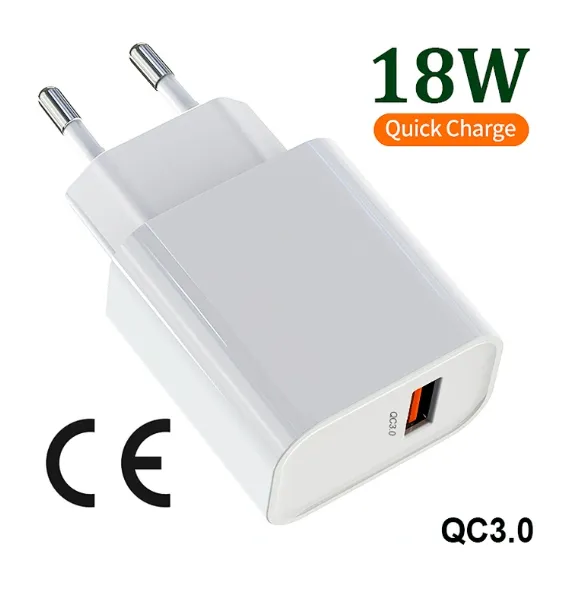
Compact 18W Quick Charge 3.0 USB Charger 30W Fast Charging Adapter EU US Plug for TravelUS$ 2MOQ: 100 Pieces
-
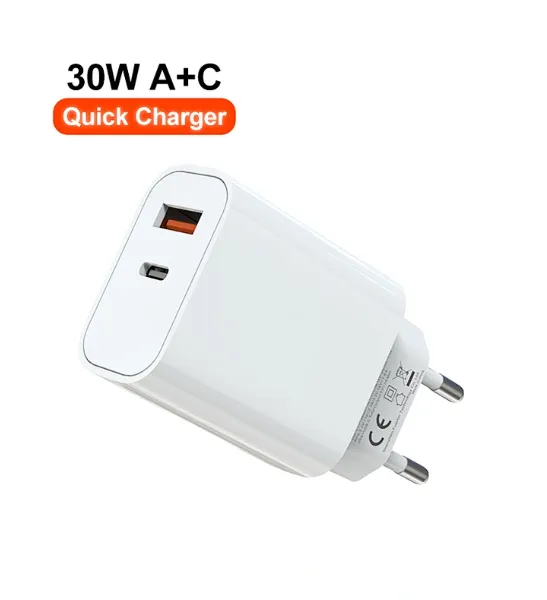
30W USB-C and USB-A PD Fast Charger Compact Wall Adapter for IPhone Samsung and IPadUS$ 3MOQ: 100 Pieces
-
35W Dual USB-C PD Charger Fast Charging Adapter for IPhone Samsung IPad and USB-C DevicesUS$ 3MOQ: 100 Pieces
-
65W USB-C GaN Charger EU Plug Fast Charging Adapter 65W USB-C PD Fast Charge Wall Charger Power Adapter for Macbook ProUS$ 5MOQ: 100 Pieces
-
65W GaN USB-C Fast Charger PD Wall Charging Adapter for Laptop IPhone and Mobile DevicesUS$ 5MOQ: 100 Pieces
-
100W GaN USB-C Fast Charger With PD 3.0 for Laptop, MacBook, IPhone & Multi-Device ChargingUS$ 12MOQ: 100 Pieces
-
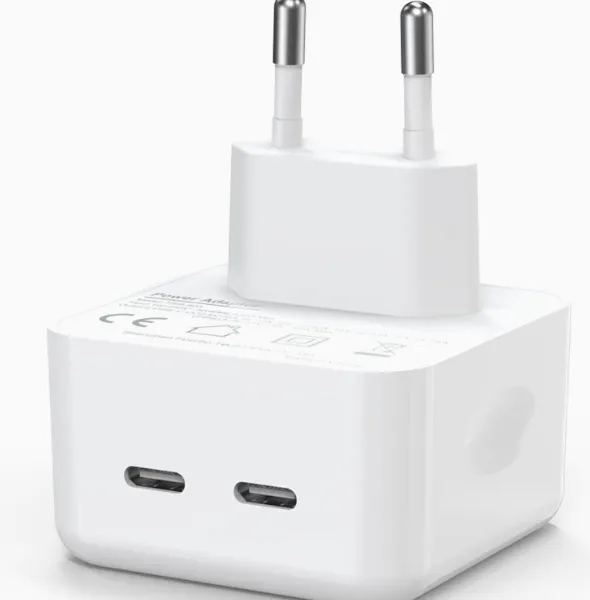
45W GaN USB-C Fast Charger EU AU PD Fast Wall Charging Adapter for IPhone Tablets With CE REACH PassedUS$ 8MOQ: 100 Pieces
-
QC3.0 65W GaN USB C Super Fast Charger With UKCA 3 Ports PD 3.0 GaN Charger for Iphone Macbook SamsungUS$ 10MOQ: 100 Pieces
-
30W USB-C and USB-A GaN QC3.0 Fast Charging Adapter PD Fast Charger Compact Wall Adapter for IPhone Samsung and IPadUS$ 3MOQ: 100 Pieces
-
45W GaN USB-C Fast Charger With Dual Type-C and USB-A Ports PD Wall Charging AdapterUS$ 8MOQ: 100 Pieces
-
Dual USB C Ports QC3.0 30W Fast Charger With EU UK AU US USB-C PD Wall Chargeer 30W PD Power AdapterUS$ 3MOQ: 100 Pieces
-
Compact 65W GaN USB-C Wall Charger With Dual USB-C Ports and USB-A Fast Charging Adapter With CE UKCA ETL SAAUS$ 10MOQ: 100 Pieces
-
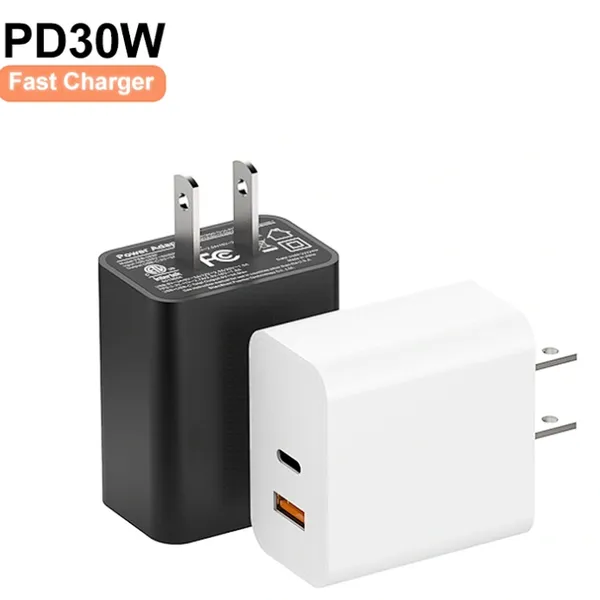
QC3.0 Fast Charging Adapter PD30W USB-C USB-A GaN PD Fast Charger PD 3.0 GaN Charger Compact Wall Adapter for IPhone Samsung and IPadUS$ 3MOQ: 100 Pieces
-
12V 5A 60W US EU AC DC Adapter LED Driver LED SMPS AC to DC Switching Power SupplyUS$ 5 - 7MOQ: 50 Pieces
-
CE FCC CUL SAA KC PSE 24Vdc 48W Switching Power Supply AdaptersUS$ 5 - 7MOQ: 50 Pieces
-
CE GS UKCA SAA CUL Qualified Waterproof Switching Power Supply Ip68 PSE UL SAA GS 12V 2AUS$ 3 - 6MOQ: 50 Pieces
-
12V 1A Factory OEM Waterproof AC Adapter for Laser Light Table Lamp ac dc Adaptor With TUV CE GS for EU MarketUS$ 5 - 7MOQ: 50 Pieces